
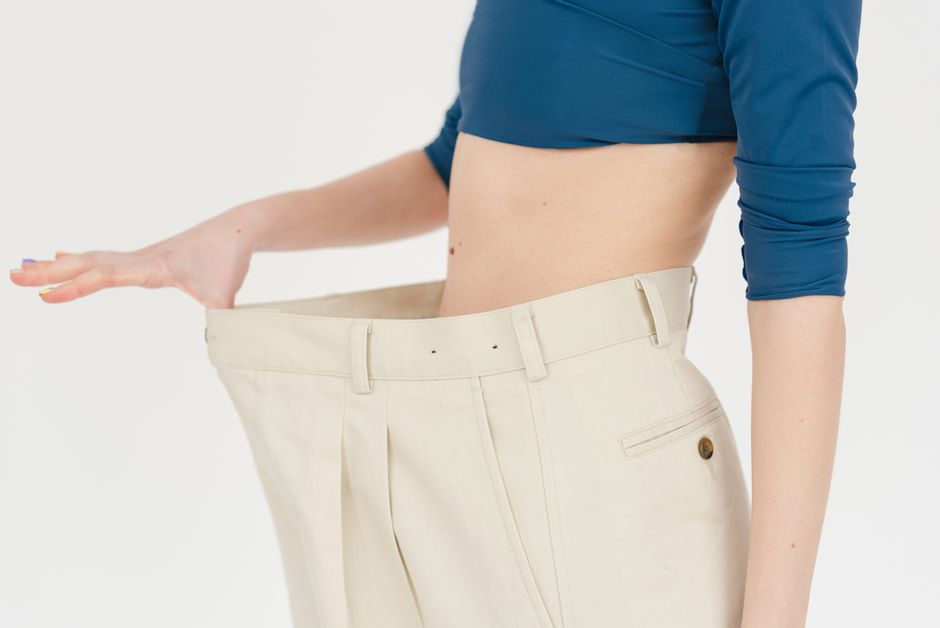
Belly fat is not just a cosmetic concern. It is the type of fat most closely linked to heart disease, type 2 diabetes, and metabolic problems. Trimming it comes down to two things: losing overall body fat and reducing the specific visceral fat stored deep in your abdomen. There is no exercise, food, or supplement that targets belly fat alone.
That last point matters more than most people realize. You cannot spot-reduce fat from your stomach by doing crunches or wearing a waist trainer. The body draws on fat stores from everywhere at once when you are in a calorie deficit. Where you lose fat first is largely genetic and hormonal, not something you control.
Why Is Belly Fat Different From Other Fat?
Not all fat behaves the same way. The fat just under your skin, called subcutaneous fat, is the soft kind you can pinch. The fat stored deeper inside your abdomen, wrapped around your organs, is called visceral fat. Visceral fat is the one that matters most for health.
Visceral fat is metabolically active. It releases inflammatory signals and free fatty acids that travel straight to your liver through the portal vein. This is one reason it is tied to insulin resistance, high blood pressure, and unhealthy cholesterol levels. Subcutaneous fat does not carry the same direct metabolic risk.
This distinction explains why two people at the same weight can have very different health risks. A person with a large waist but a normal BMI may carry more visceral fat than someone heavier with fat stored mostly in the hips and thighs. Waist size often tells a doctor more than the scale does.
For reference, a waist measurement of 35 inches or more in women and 40 inches or more in men is generally considered a marker of higher health risk. These thresholds come from established clinical guidance and are used alongside BMI, not instead of it.
What Actually Causes Belly Fat to Build Up?
Belly fat accumulates when you consistently take in more energy than you burn. But several factors shape where that fat lands and how much visceral fat you carry.
- Calorie surplus over time — the fundamental driver of fat gain, regardless of food type.
- Genetics — inherited patterns strongly influence where your body stores fat.
- Hormones — estrogen shifts after menopause often move fat storage toward the abdomen in women.
- Cortisol — chronic stress and poor sleep are linked to higher visceral fat storage.
- Alcohol — regular heavy drinking is associated with greater abdominal fat.
- Age — muscle mass declines and fat redistributes toward the belly over time.
The menopause shift is worth understanding. Before menopause, estrogen tends to direct fat storage to the hips and thighs. As estrogen falls, storage shifts toward the abdomen. This is a normal physiological change, not a failure of willpower, though it does make belly fat harder to manage in midlife.
One clarification that surprises people: the so-called “beer belly” is not caused by beer specifically. Alcohol adds calories and may influence fat distribution, but the effect is about excess calories and drinking patterns, not the drink itself acting on the belly.
How Do You Actually Trim Belly Fat?
The core method is a sustained calorie deficit — eating fewer calories than you burn. This is the only reliable way to reduce fat, including visceral fat. Everything else either supports that deficit or does not work.
Research consistently shows that visceral fat responds well to weight loss. In many people, visceral fat is lost earlier and faster than subcutaneous fat when a calorie deficit begins. This is one of the few genuinely encouraging facts in this area.
How you create the deficit matters less than whether you can stick with it. A moderate deficit you can maintain for months beats an aggressive one you abandon in two weeks. Slow, steady loss is generally more sustainable and easier to keep off.
What about exercise?
Exercise helps, but not in the way most people hope. You cannot burn fat from your belly by working your abs. What exercise does is increase your calorie burn and preserve muscle mass while you lose fat, which keeps your metabolism from slowing as much.
Both aerobic exercise and resistance training have evidence behind them for reducing visceral fat. Resistance training has the added benefit of protecting muscle, which matters especially in your 40s and beyond. A mix of the two tends to work better than either alone.
No specific exercise has been shown to remove belly fat faster than any other. The total energy you expend and the muscle you keep are what count.
Does diet quality matter beyond calories?
Calories drive fat loss, but diet quality affects how easy that is and how it impacts your health. Diets higher in protein, fiber, and whole foods tend to keep you fuller on fewer calories. Highly processed foods are easy to overeat and are linked to weight gain in observational studies.
There is no single food that burns belly fat. Some studies suggest higher fiber intake and lower added sugar are associated with less visceral fat, but these are associations, not proof that one food melts fat. The evidence supports patterns, not magic ingredients.





Do Supplements and “Belly Fat Burners” Work?
No supplement has been shown to reliably reduce belly fat in humans. This is a firm position based on the current evidence. Products marketed as fat burners, appetite blockers, or cortisol reducers largely lack solid human trial support.
Some ingredients have small studies behind them, but the effects are usually tiny, inconsistent, or seen only in animals. None comes close to the effect of a sustained calorie deficit. The supplement industry is not required to prove a product works before selling it, which is why so many claims go unchecked.
If a product promises fast belly fat loss without diet or exercise changes, that is a strong signal it does not work. No study has confirmed any supplement does this.
What About Sleep, Stress, and Alcohol?
These factors influence belly fat, mostly by affecting hormones and behavior rather than by acting directly on fat cells.
Short sleep and chronic stress raise cortisol, which is associated with greater visceral fat storage. They also tend to increase appetite and cravings, making a calorie deficit harder to maintain. Improving sleep and managing stress support fat loss, though they are not a substitute for it.
Alcohol adds calories and, when consumed heavily, is linked to abdominal fat. Cutting back often reduces total calorie intake without feeling like a diet. This is one of the more practical levers for many people.
None of these factors overrides the basic math. They make the deficit easier or harder to hold, but they do not replace it.
How Long Does It Take to See Results?
This is where honesty matters. There is no fixed timeline, and anyone promising rapid belly fat loss is overselling. Fat loss rates vary widely based on your starting point, calorie deficit, activity, and genetics.
What is well established is that visceral fat often responds early in a weight loss effort. Some people see meaningful reductions in waist size within the first several weeks of consistent effort, even before the scale moves much. Others see slower changes.
The pattern that holds up: consistency over months, not intensity over days. People who lose belly fat and keep it off generally make changes they can live with long term. Rapid crash diets tend to produce rapid regain, and the fat often returns to the same places.
One thing worth accepting: you cannot choose exactly where fat comes off or how fast. You can control the deficit, the activity, the sleep, and the patience. Those are the levers that actually work.
Frequently Asked Questions
Can you target belly fat with crunches?
No. Crunches strengthen abdominal muscles but do not burn fat from your stomach. Fat loss happens across the whole body when you are in a calorie deficit, and where it comes off first is mostly genetic.
What is the fastest way to lose belly fat?
There is no fast, safe method that works better than a sustained calorie deficit combined with exercise and adequate sleep. Rapid crash diets tend to cause rapid regain, often in the same areas.
Do belly fat burner supplements actually work?
No supplement has been shown to reliably reduce belly fat in humans. Products marketed for this purpose largely lack solid human trial evidence, and none matches the effect of a calorie deficit.
Why is belly fat harder to lose after menopause?
Falling estrogen shifts fat storage toward the abdomen, which is a normal physiological change. The fat still responds to a calorie deficit, but the shift in distribution can make it more stubborn.
