
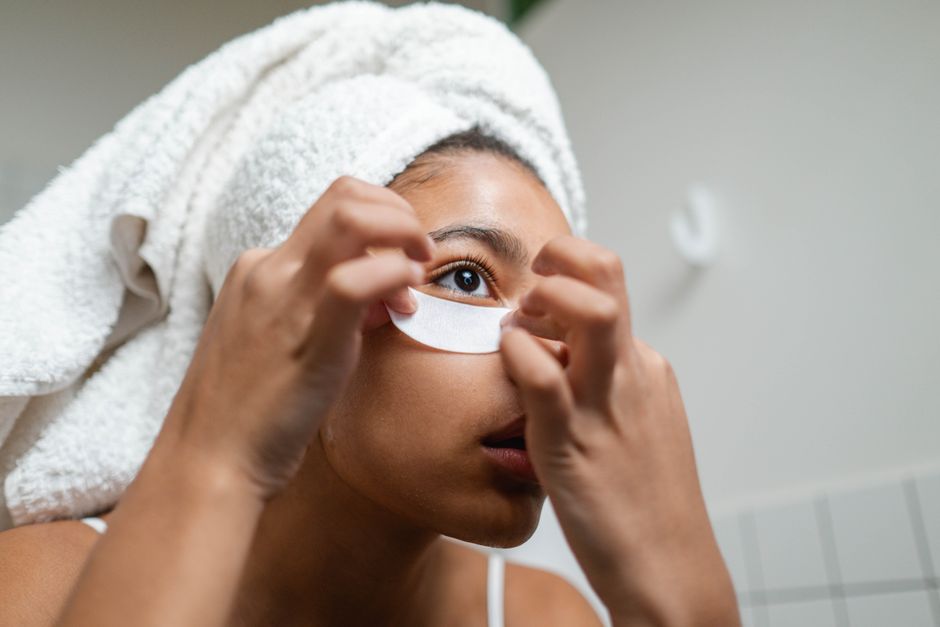
Milia are small white bumps that typically form around the eyes. They are not acne. They are tiny cysts filled with a protein called keratin. You cannot squeeze them out like a pimple. At home, gentle exfoliation and certain creams may help over time. The safest and most effective way to remove milia is to see a dermatologist for extraction or another in-office procedure.
What Are Milia and Why Do They Form Under the Eyes?
Milia are small, dome-shaped bumps that are white or yellowish. They measure about 1 to 2 millimeters in diameter. They form when dead skin cells become trapped in a small pocket just below the skin surface instead of shedding normally. The trapped cells harden into keratin, which creates the cyst.
Under the eyes the skin is very thin and delicate. This makes it easier for dead skin cells to become trapped. Milia can appear at any age. In adults, they are often called secondary milia because they develop after some type of skin trauma—like a burn, blister, or laser treatment—or from using thick creams that clog pores.
Primary milia are the kind that appear in newborns and often go away on their own. Adult milia are more stubborn. The exact cause is not always clear, but factors such as sun damage, heavy moisturizers, and poor exfoliation can contribute.
How To Get Rid Of Under Eye Milia At Home Or With A Derm?
At home methods focus on encouraging the skin to shed dead cells more effectively so the trapped keratin can be released naturally. Gentle exfoliation with a soft washcloth or a mild chemical exfoliant like lactic acid or salicylic acid may help over weeks to months. Retinoid creams, available over the counter or by prescription, can speed up cell turnover. Apply a very small amount only around the eye area, avoiding the eyelids and lashes. Results are not guaranteed and can take two to three months.
Do not try to pop or pick at milia. This can scar the thin under-eye skin and cause infection. No study has confirmed that home treatments reliably remove established milia.
With a dermatologist, removal is straightforward. The most common method is needle extraction. The doctor uses a sterile lancet or needle to make a tiny nick in the skin over the milium, then gently presses out the keratin core. The procedure takes minutes and leaves almost no mark when done correctly. Other options include electrocautery (burning the cyst open) or laser ablation. Dermatologists may also prescribe a topical retinoid to prevent new milia from forming.
Can You Safely Remove Milia Under Your Eyes at Home?
Only very gently. The safest home approach is to use a mild chemical exfoliant or a retinoid cream and wait. Physical exfoliation with a soft cloth or a gentle scrub can help over time, but you must be careful not to irritate the delicate skin. Redness and inflammation can make milia worse or cause other issues.
You should not attempt to extract milia yourself. The skin under the eyes is among the thinnest on the body. Poking, squeezing, or cutting can lead to bruising, infection, or permanent scarring. If you are not willing to wait for a home treatment to work, a dermatologist visit is the better choice.




What Treatments Do Dermatologists Use for Under Eye Milia?
Dermatologists have several safe, in-office options. The choice depends on the number of milia, their location, and your skin type.
- Needle extraction – A sterile needle is used to make a tiny opening, and the keratin is expressed. This is the quickest and most common method.
- Electrocautery – A small electric current gently cauterizes the top of the cyst. The keratin is then removed. It seals the area and reduces bleeding.
- Laser ablation – A focused laser beam creates a precise opening. This is often used for larger or deeper milia.
- Cryotherapy – Liquid nitrogen freezes the milium, causing it to fall off after a few days. This is less precise and more often used on the body rather than under the eyes.
All of these procedures are considered low risk when performed by a qualified professional. Mild redness or swelling may occur for a day or two. Results are immediate for individual milia.
How Long Does It Take for Under Eye Milia to Go Away on Their Own?
Some milia, especially in newborns, resolve without treatment within a few weeks. In adults, they may persist for months or even years. There is no way to predict if or when a specific milium will disappear naturally.
Because milia are keratin-filled cysts rather than inflamed pimples, they do not go through the same life cycle as acne. The skin must eventually push the keratin to the surface or break it down internally. This process is slow in most adults. If you are bothered by the appearance, professional removal is the most reliable option.
What Causes Milia Under the Eyes in Adults?
Adult milia are often secondary to some form of skin injury or irritation. Common triggers include:
- Sun damage – UV exposure thickens the outer skin layer, making it harder for dead cells to shed normally.
- Heavy creams – Thick, oily eye creams or heavy moisturizers can block the openings of sweat ducts and hair follicles, trapping keratin.
- Laser and chemical peels – These procedures intentionally disturb the skin, and milia can develop as part of the healing process.
- Burns or blisters – Any trauma that damages the skin’s surface can lead to milia.
- Long-term steroid use – Topical steroid creams can thin the skin and alter cell turnover, contributing to milia.
Primary milia can also occur in adults without an obvious cause. Genetics may play a role.
How to Prevent Milia Under Your Eyes
You cannot always prevent milia, but you can reduce the risk by keeping the under-eye area clean and well-exfoliated. Use a gentle, non-comedogenic moisturizer that will not clog pores. Avoid heavy creams that contain petrolatum, mineral oil, or lanolin directly under the eyes.
Exfoliate the area one to two times per week with a mild chemical exfoliant containing lactic acid, glycolic acid, or salicylic acid. Retinoids can also be used preventively, but start with a low concentration and apply every other night to avoid irritation.
Always wear sunscreen around the eyes. Sun damage thickens the skin and encourages milia formation. A broad‑spectrum SPF 30 or higher designed for the eye area is best.
Frequently Asked Questions
Can I pop milia under my eyes like a pimple?
No. Milia are hard keratin cysts with no opening to the surface. Popping them can cause scarring, infection, and spread the inflammation. Leave removal to a dermatologist.
Does toothpaste or baking soda remove milia?
No reliable evidence shows that toothpaste or baking soda removes milia. Both can irritate the thin under-eye skin and make the area red or inflamed.
How much does dermatologist milia removal cost?
Cost varies widely by provider and location, typically ranging from $50 to $200 per session. Many practices charge a flat fee or bill per lesion. Check with your dermatologist for pricing.
Do milia go away on their own eventually?
Some do, especially in babies and young children. In adults, many milia persist for months or years. Professional removal is the most reliable way to get rid of them.
