
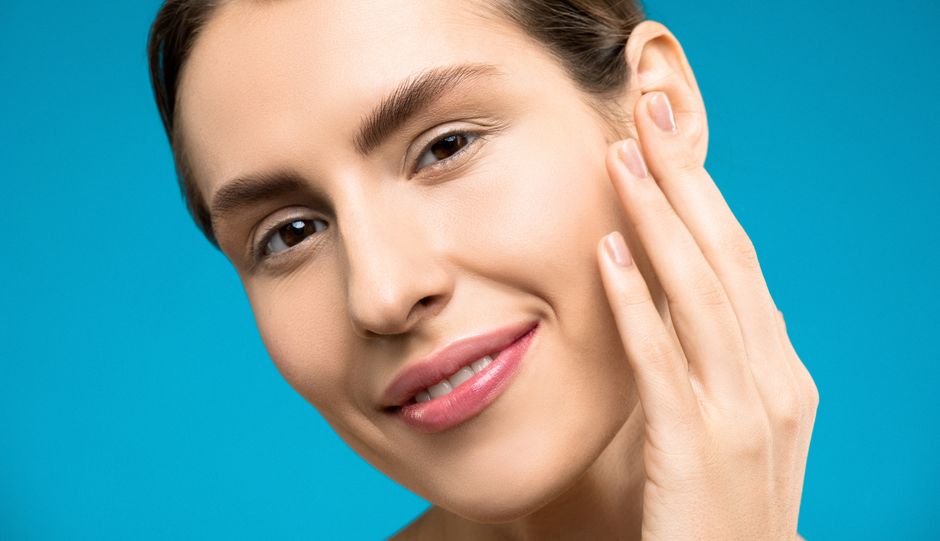
Dimples on the face are often seen as a charming feature, but when they appear on the thighs, buttocks, or arms, they are usually called cellulite. The methods to address them are completely different. You cannot remove natural cheek dimples without surgery, but you can visibly reduce the appearance of body dimples caused by fat pushing against connective tissue. This guide explains what actually works, what is a myth, and what the evidence says about each approach.
What Causes Dimples on the Face?
Facial dimples are a genetic trait. They happen when a muscle in the cheek, called the zygomaticus major, is shorter than usual or splits into two bundles. When you smile, the skin is pulled inward, creating a visible indentation. This is a structural difference in your anatomy, not a flaw or a condition that needs treatment.
Because facial dimples are formed by muscle and skin structure, no cream, exercise, or massage can remove them. The only way to permanently remove a natural cheek dimple is through a surgical procedure called dimpleplasty reversal. A surgeon releases the muscle attachment that creates the dimple. This is an elective cosmetic procedure with standard surgical risks like infection, scarring, and asymmetry. Most people who have natural dimples do not seek removal.
What Causes Dimples on the Body?
Dimples on the thighs, buttocks, and abdomen are almost always cellulite. Cellulite is not fat itself. It is the result of fat pushing through the connective tissue bands that anchor skin to muscle. These bands, called septae, pull down while the fat pushes up. The surface looks uneven, like an orange peel or cottage cheese.
Cellulite affects up to 90 percent of women at some point in life. Men get it less often because their connective tissue bands are arranged in a crisscross pattern, while women’s run vertically. Hormones, genetics, age, and skin thickness all play a role. Being overweight can make cellulite more visible, but thin people have it too. It is a normal variation of human anatomy, not a disease.
Can Exercise Remove Body Dimples?
Exercise cannot remove cellulite, but it can make it less noticeable. When you strengthen the muscle underneath a dimpled area, the muscle becomes firmer and fills out the space. This reduces the contrast between the fat pushing up and the skin pulling down. The dimple does not disappear, but it becomes less obvious.
Strength training that targets the glutes, thighs, and arms is the most effective approach. Squats, lunges, deadlifts, and leg presses build the muscles under common cellulite areas. Cardio helps by reducing overall body fat, which lessens the amount of fat pushing against the connective tissue. The combination of lower body fat and firmer muscle gives the skin a smoother appearance.
No specific exercise removes cellulite from one spot. Spot reduction is a myth. Fat loss happens evenly across the body based on genetics and overall calorie balance. You cannot choose where you lose fat, regardless of which muscles you train.





Do Creams and Lotions Work?
Most anti-cellulite creams do not work. The active ingredients in these products, such as caffeine, retinol, and various plant extracts, have not been shown in large clinical trials to permanently reduce cellulite. Caffeine can temporarily dehydrate fat cells, which may make the skin look slightly smoother for a few hours. Retinol can thicken the skin over several months of daily use, which may reduce the appearance of dimples modestly.
The effect is temporary and cosmetic. Once you stop using the product, the skin returns to its previous state. No cream can break down the connective tissue bands that cause the dimpled appearance. If a product promises to “melt” cellulite or remove dimples permanently, that claim is not supported by evidence.
What Medical Treatments Have Evidence?
Several in-office procedures have shown measurable results in clinical studies. None of them permanently removes cellulite for everyone, but some can produce visible improvement that lasts for months or years.
Acoustic wave therapy uses sound waves to break up the fibrous bands and improve blood flow. Some studies show a moderate reduction in cellulite appearance after several sessions. Results vary widely between individuals, and maintenance sessions are usually needed.
Radiofrequency and laser treatments heat the skin and underlying tissue. This stimulates collagen production and can tighten the skin. When the skin is tighter, the dimples become less visible. Multiple sessions are required, and results are gradual.
Subcision is a procedure where a needle is inserted under the skin to cut the connective tissue bands that pull down. A 2018 study published in the Journal of the American Academy of Dermatology found that subcision combined with vacuum-assisted tissue stabilization significantly improved cellulite appearance for at least one year. This is one of the few treatments with strong evidence behind it.
These procedures are expensive, usually not covered by insurance, and carry risks like bruising, pain, and temporary numbness. A dermatologist or plastic surgeon should perform them. Results are not guaranteed.
Do Massage and Dry Brushing Help?
Massage and dry brushing can temporarily improve the appearance of cellulite by increasing blood flow and reducing fluid retention. The skin may look smoother for a few hours after a session. This is a temporary cosmetic effect, not a structural change. The connective tissue bands remain intact, and the dimples return as fluid redistributes.
Some devices marketed for home use combine massage with suction or radiofrequency. The evidence for these devices is limited. A few small studies show modest short-term improvement, but no large trials have confirmed lasting results. If you enjoy the way your skin feels after massage or dry brushing, there is no harm in continuing. Just do not expect permanent removal of dimples.
How To Remove Dimples On Your Face And Body: What Actually Works
For facial dimples, the only removal option is surgery. For body dimples, the realistic goal is reduction, not complete removal. The most evidence-backed approach combines strength training, overall fat loss, and one of the proven in-office procedures if you want faster results.
Here is what the evidence supports:
- Strength training builds muscle under the dimpled area, making the surface smoother.
- Calorie-controlled diet reduces overall body fat, which lessens the fat pushing against the skin.
- Subcision physically cuts the bands causing the dimples, with results lasting at least a year in clinical studies.
- Acoustic wave therapy shows moderate improvement in some people, though results vary.
- Laser and radiofrequency tighten skin over multiple sessions, reducing dimple visibility.
These approaches work through different mechanisms. Exercise changes the underlying muscle. Subcision changes the connective tissue. Laser treatments change the skin itself. Combining them may produce better results than any single treatment, though no large studies have directly compared combination approaches.
What Does Not Work
Many popular products and techniques have no evidence behind them. Cupping, which involves suction cups placed on the skin, can cause bruising and temporary redness but does not change the connective tissue. Body wraps that claim to “detoxify” or “smooth” skin have no clinical support. Ice massages, coffee scrubs, and herbal supplements have no proven effect on cellulite structure.
Liposuction is sometimes mentioned as a cellulite treatment, but it can actually make cellulite worse. Liposuction removes deep fat, which can make the skin looser and the dimples more pronounced. It is not recommended for cellulite reduction.
Weight loss alone does not remove cellulite either. Losing weight reduces fat, but the connective tissue bands remain. Some people find their cellulite looks worse after significant weight loss because the skin is looser. Maintaining a healthy weight is good for overall health, but it is not a guaranteed cellulite cure.
Are Dimples a Sign of Poor Health?
No. Cellulite is a normal cosmetic feature, not a medical condition. It does not indicate poor circulation, toxicity, or any underlying disease. The idea that cellulite is caused by “toxins” or poor lymphatic drainage is not supported by evidence. These claims are used to sell products.
Facial dimples are purely genetic and have no health implications. If you notice a sudden new dimple or indentation in your skin that was not there before, that is different. New skin changes should be evaluated by a doctor, especially if they are accompanied by pain, swelling, or skin color changes.
Frequently Asked Questions
Can facial dimples be removed without surgery?
No. Facial dimples are caused by muscle structure, and no cream, exercise, or device can change that. Surgery is the only removal option.
How long do cellulite treatment results last?
Subcision results have been shown to last at least one year in clinical studies. Acoustic wave therapy and laser treatments typically require maintenance sessions to sustain results.
Is cellulite a sign of being unhealthy?
No. Cellulite affects most women regardless of fitness level or weight. It is a normal anatomical variation, not a health condition.
Does losing weight get rid of cellulite?
Weight loss can reduce the appearance of cellulite by lowering body fat, but it does not remove the connective tissue bands that cause dimples. Some people see no change or a slight worsening after weight loss.
