
Asbestos is a group of naturally occurring minerals made of microscopic fibers. When these fibers are inhaled, they can become trapped in your lung tissue and stay there for decades. Over time, this can cause scarring, inflammation, and in some cases, serious diseases like lung cancer and mesothelioma.
How Does Asbestos Enter Your Body?
Asbestos exposure happens almost entirely through breathing. The fibers are so small you cannot see them. You cannot smell them either. When asbestos-containing materials are disturbed—during demolition, renovation, or aging—the fibers float in the air.
Once you breathe them in, the fibers travel down your airways. Most larger particles get caught in your nose and throat and are coughed out or swallowed. The smallest fibers, however, can reach deep into the smallest air sacs of your lungs called alveoli.
These tiny fibers are sharp and durable. Your body’s immune system tries to remove them, but the fibers are too tough to break down. This triggers a persistent inflammatory response that can last for years.
What Happens When Asbestos Fibers Get Stuck in Your Lungs?
When the immune system cannot destroy asbestos fibers, it tries to wall them off. This process creates scar tissue. Over time, widespread scarring can develop. This condition is called asbestosis.
Asbestosis is a progressive disease. The scarring stiffens the lungs, making it harder for oxygen to pass into your bloodstream. The damage is permanent and can worsen even after exposure stops.
The body’s inflammatory response also damages the DNA of surrounding cells. This is the biological link between asbestos and cancer. The ongoing irritation and repair cycles create opportunities for genetic mutations to develop.
What Diseases Does Asbestos Cause?
Asbestos exposure is linked to several specific diseases. Each one develops differently and has its own timeline.
- Asbestosis: Non-cancerous scarring of lung tissue. Develops after heavy, often prolonged exposure.
- Lung cancer: The most common cancer caused by asbestos. Risk increases significantly if you also smoke.
- Mesothelioma: A rare and aggressive cancer of the lining around the lungs or abdomen. Almost exclusively caused by asbestos.
- Pleural plaques: Areas of thickening on the lining of the lungs. Usually harmless by themselves but a sign of exposure.
Each disease has a different latency period. Pleural plaques can appear within 10 years. Asbestosis typically takes 15 to 20 years. Mesothelioma can take 20 to 50 years to develop after the first exposure.





How Much Asbestos Exposure Is Dangerous?
There is no safe level of asbestos exposure. Even brief, high-level exposure can cause disease decades later. However, the risk increases with the total amount inhaled and the duration of exposure.
People most at risk are those who worked directly with asbestos products for years. Construction workers, shipyard workers, electricians, plumbers, and insulation installers have the highest historical exposure rates.
Family members of these workers also faced risk. Asbestos fibers clung to work clothes and were brought home. This is called secondary or household exposure. It has caused disease in spouses and children who only washed the clothing.
Today, regulations in the United States limit asbestos exposure in the workplace. But older buildings still contain asbestos. Disturbing these materials without proper safety measures remains a real danger.
What Are the First Symptoms of Asbestos-Related Disease?
Symptoms rarely appear early. The diseases develop slowly, and the early signs are easy to dismiss.
The most common first symptoms are a persistent dry cough and shortness of breath. These usually start with physical activity and gradually happen even at rest. Some people notice chest tightness or a feeling of pressure.
More advanced symptoms include finger clubbing, where the fingertips swell and the nails curve downward. Unexplained weight loss, fatigue, and chest pain can also occur.
If you have a history of asbestos exposure and develop any of these symptoms, see a doctor. Early detection matters, even if treatment options are limited for some asbestos diseases.
How Is Asbestos-Related Disease Diagnosed?
Diagnosis starts with a detailed medical history. Your doctor needs to know about any past asbestos exposure, including the type of work and how long it lasted.
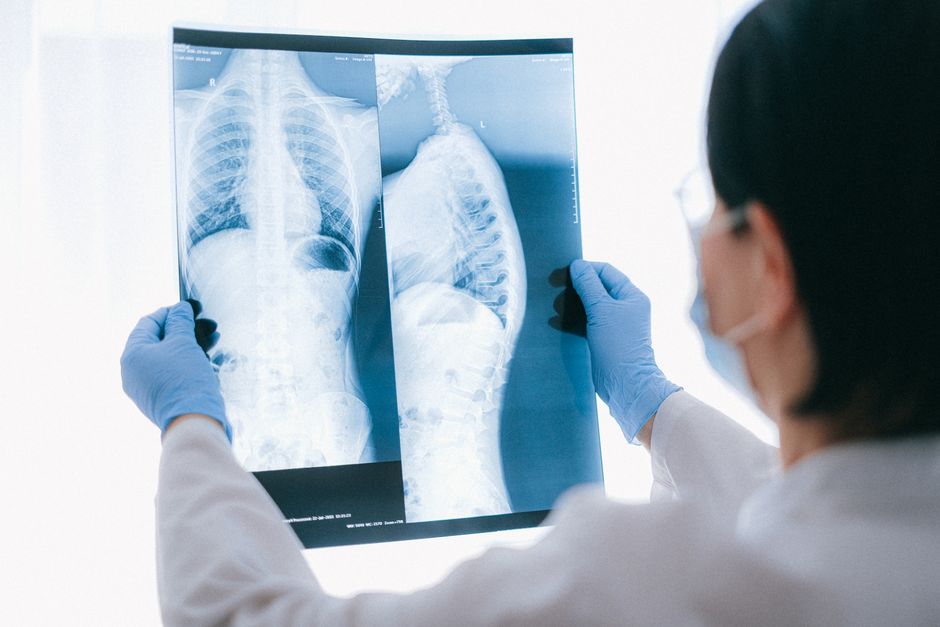
Imaging tests are the primary diagnostic tools. A chest X-ray can show pleural plaques and advanced scarring. A CT scan provides more detail and can catch earlier changes that an X-ray misses.
Pulmonary function tests measure how well your lungs move air in and out. These tests can reveal reduced lung capacity even before symptoms become obvious.
If cancer is suspected, a biopsy may be needed. This involves taking a small tissue sample to examine under a microscope. Mesothelioma in particular requires a biopsy for a confirmed diagnosis.
Can Asbestos Damage Be Reversed?
No. The scarring and DNA damage caused by asbestos are permanent. There is no treatment that removes asbestos fibers from the lungs or reverses the scarring they cause.
Treatment focuses on managing symptoms and slowing disease progression. This may include medications to reduce inflammation, oxygen therapy for breathing support, and pulmonary rehabilitation to maintain lung function.
For asbestos-related cancers, treatment depends on the type and stage of the disease. Surgery, chemotherapy, and radiation therapy are options in certain cases. Mesothelioma is particularly difficult to treat because it is often diagnosed at a late stage.
Quitting smoking is the single most important step for anyone with a history of asbestos exposure. Smoking multiplies the risk of lung cancer dramatically. It does not just add to the risk—it compounds it.
What Does Asbestos Do To Your Body And Lungs Over Time?
The timeline of asbestos disease is measured in decades, not months. The fibers remain in your body for life. The inflammatory response they trigger continues for as long as the fibers are present.
In the early years after exposure, there may be no symptoms at all. The lungs look normal on imaging. This silent period is why asbestos disease is so dangerous—people do not know they are affected.
As the years pass, the cumulative damage becomes visible. Scarring progresses. Lung function declines. The risk of cancer increases with age and time since first exposure.
Regular medical monitoring is recommended for people with known exposure. This usually involves periodic imaging and lung function tests. Monitoring does not prevent disease, but it can catch problems earlier.
How Can You Protect Yourself From Asbestos?
The best protection is avoiding exposure entirely. If you live in a home built before 1980, asbestos may be present in insulation, floor tiles, ceiling texture, pipe wrap, and other materials.
Do not disturb suspected asbestos materials. Do not sand, scrape, or saw them. If materials are intact and undisturbed, they generally pose little risk. The danger comes from damaging them and releasing fibers into the air.
If renovation work is needed, hire a certified asbestos abatement professional. They have the training and equipment to remove or contain asbestos safely.
For workers in high-risk occupations, proper respiratory protection is essential. Use NIOSH-approved respirators rated for asbestos. Follow workplace safety protocols without exception.
Frequently Asked Questions
How long after asbestos exposure do symptoms appear?
Most asbestos-related diseases take 15 to 50 years to develop. Mesothelioma can take 20 to 50 years, while asbestosis typically appears after 15 to 20 years.
Can one-time asbestos exposure cause disease?
Yes, a single high-level exposure can cause disease decades later, though the risk is lower than with prolonged exposure. There is no known safe threshold for asbestos exposure.
Does asbestos exposure always cause mesothelioma?
No, most people exposed to asbestos never develop mesothelioma. However, asbestos is the only known cause of this cancer, and the risk increases with total exposure.
How can I check if my home has asbestos?
You cannot identify asbestos by looking at it. Only laboratory testing of material samples can confirm its presence. Contact a certified asbestos inspector for testing.
