
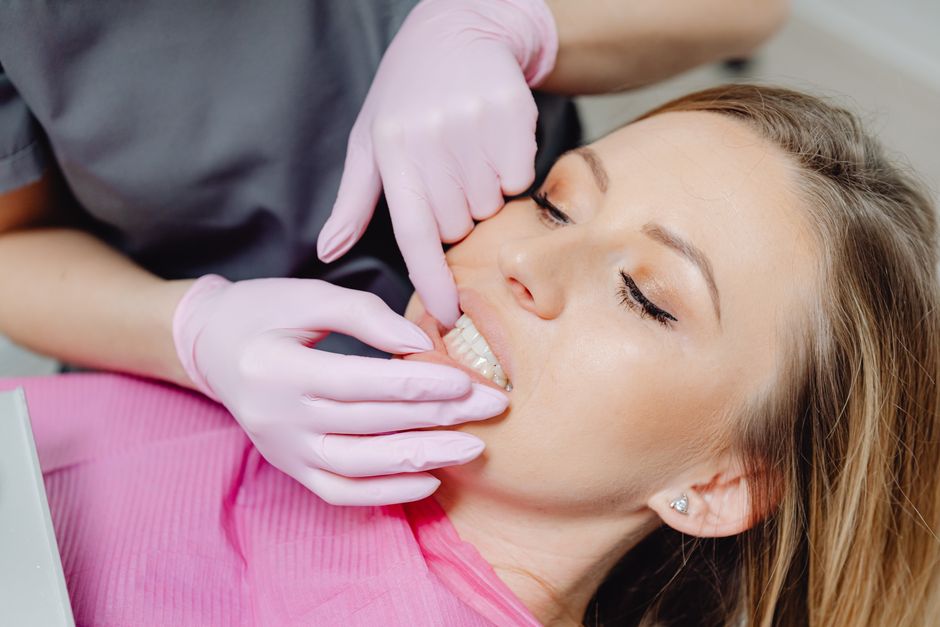
Swollen gums with braces can make your mouth feel sore and tender, especially after an adjustment. You cannot fully cure gum swelling in a single night, but you can reduce the inflammation significantly by morning with the right approach. The most effective overnight strategy combines a warm salt water rinse before bed, a cold compress to numb the area, and strict avoidance of any food that could irritate the gums further.
What Causes Swollen Gums With Braces?
Braces create small spaces where food and plaque can hide. When plaque builds up along the gumline, it irritates the tissue and triggers inflammation. This is the most common cause of swollen gums during orthodontic treatment.
Recent wire adjustments also cause temporary swelling. When your orthodontist tightens the wires, your teeth shift slightly. This movement puts pressure on the surrounding gum tissue, which responds with mild inflammation and tenderness. This type of swelling usually fades within a few days.
Some people also develop a mild allergic reaction to the metal components in their braces. This is less common, but it can cause persistent gum irritation that does not improve with regular cleaning.
Can You Actually Get Rid of Swollen Gums Overnight?
No treatment completely eliminates gum swelling in eight hours. Inflammation takes time to resolve because your body needs to clear the excess fluid and immune cells from the tissue. However, you can reduce the swelling noticeably by morning using targeted home care.
The goal overnight is to reduce inflammation, not cure it. A warm salt water rinse draws fluid out of swollen tissue through osmosis. A cold compress constricts blood vessels and limits additional fluid from pooling in the area. Together, these two methods can make your gums feel and look significantly better by morning.
If your gums are severely swollen, red, or bleeding heavily, one night of home care will not be enough. You should contact your orthodontist for an appointment. Persistent swelling can indicate gum disease or an infection that requires professional treatment.
How To Get Rid Of Swollen Gums With Braces Overnight: Step-by-Step
Follow this sequence in the hour before you go to bed. It gives your gums the best chance to recover while you sleep.
Step 1: Brush and floss carefully. Use a soft-bristled toothbrush and fluoride toothpaste. Brush at a 45-degree angle toward the gumline using gentle circular motions. Do not scrub hard — aggressive brushing makes swelling worse. Use a floss threader or interdental brush to clean between the brackets and under the wire.
Step 2: Rinse with warm salt water. Dissolve half a teaspoon of salt in 8 ounces of warm water. Swish it around your mouth for 30 seconds, then spit it out. Do not swallow the salt water. The salt helps draw fluid out of the swollen gum tissue and reduces bacteria in the mouth.
Step 3: Apply a cold compress. Wrap a small ice pack or a bag of frozen peas in a thin cloth. Hold it against the outside of your cheek over the swollen area for 10 minutes. Remove it for 10 minutes, then repeat once more. Cold reduces blood flow to the area, which limits swelling and numbs the pain.
Step 4: Elevate your head while sleeping. Use an extra pillow to keep your head raised above your heart level. This reduces blood pooling in your head and face, which can lessen morning swelling.
Step 5: Avoid eating or drinking anything except water after your final rinse. Any food particles left on the braces will feed bacteria overnight and worsen inflammation by morning.





Overnight Remedies That Actually Work
Some home remedies have real evidence behind them. Others are popular but do not hold up to scrutiny.
Salt water rinse. This is the most reliable home treatment for gum inflammation. It is safe, inexpensive, and supported by dental professionals. Use it once or twice daily, including right before bed.
Cold compress. Applying cold to the outside of the cheek reduces swelling and numbs pain. It is most effective in the first 24 to 48 hours after a braces adjustment.
Aloe vera gel. Some research suggests aloe vera has anti-inflammatory properties that can soothe irritated gums. Apply a small amount of pure aloe vera gel directly to the swollen area with a clean finger or cotton swab. Leave it on overnight. The evidence is limited, but it is generally safe for most people.
Chamomile tea bag. Chamomile contains compounds with mild anti-inflammatory effects. Steep a chamomile tea bag in hot water, let it cool until warm, then hold it against the swollen gum for a few minutes before bed. This is a gentle option, but it is not as effective as salt water or cold compresses.
Hydrogen peroxide rinse. Diluted hydrogen peroxide can reduce bacteria in the mouth. Mix equal parts 3% hydrogen peroxide and water, swish for 30 seconds, and spit. Do not swallow it. Use this only occasionally — daily use can irritate gum tissue. Some dentists recommend it, but salt water is gentler and equally effective for most people.
What Not To Do When Your Gums Are Swollen
Certain habits make swollen gums worse. Avoid these while your gums are inflamed.
Do not brush harder. Many people assume aggressive brushing removes more plaque. It actually damages gum tissue and increases inflammation. Use a soft brush and gentle pressure.
Do not use alcohol-based mouthwash. These products can dry out and irritate already inflamed gums. Choose an alcohol-free rinse or stick with salt water.
Do not eat crunchy, sharp, or sticky foods. Chips, nuts, popcorn, and chewy candy can get trapped in the brackets and push against swollen tissue. Stick to soft foods like yogurt, mashed potatoes, and soup until the swelling goes down.
Do not ignore signs of infection. If the swelling is severe, painful, or accompanied by fever or pus, see your orthodontist or dentist right away. This could be a gum abscess or another infection that needs professional treatment.
How Long Does Swelling Last After a Braces Adjustment?
Mild swelling and soreness after an adjustment typically last 2 to 4 days. The first day is usually the worst. By the third or fourth day, most people notice significant improvement.
Swelling that lasts longer than a week is not normal. It usually means plaque is building up around the brackets or the wire is irritating the inside of your cheek. Make an appointment with your orthodontist to have the area examined.
Swelling that comes and goes throughout treatment is often a sign that your oral hygiene routine needs improvement. Braces require more frequent and more thorough cleaning than natural teeth. If you are not flossing daily and brushing after every meal, plaque will accumulate and cause repeated gum inflammation.
When To See Your Orthodontist
Home care resolves most cases of mild gum swelling. Certain situations require professional attention.
See your orthodontist if the swelling does not improve after several days of consistent home care. Also seek care if the gums are very painful, bleeding heavily, or if you notice pus or a bad taste in your mouth. These can be signs of infection.
Your orthodontist may adjust the wire, trim a bracket that is poking your gums, or prescribe a special mouth rinse. In some cases, they may refer you to a periodontist — a gum specialist — for deeper cleaning or other treatment.
Preventing Swollen Gums While Wearing Braces
Prevention is more effective than treatment. A consistent oral hygiene routine prevents most gum swelling before it starts.
Brush after every meal, not just twice a day. Use a soft brush and spend at least two minutes cleaning. Pay special attention to the area where the gums meet the brackets.
Floss daily using a floss threader or water flosser. Water flossers are particularly useful for braces because they can flush out food particles from hard-to-reach areas. Some studies suggest water flossers reduce plaque and gum inflammation more effectively than string floss alone for people with braces.
Use an antibacterial mouth rinse if your orthodontist recommends one. These rinses reduce the bacteria that cause plaque and inflammation, but they are not a substitute for brushing and flossing.
Keep up with your scheduled orthodontic appointments. Regular adjustments and professional cleanings help prevent plaque buildup and catch problems early.
Frequently Asked Questions
Is it normal for gums to swell with braces?
Yes, mild gum swelling is common, especially after adjustments or when plaque builds up around the brackets. Swelling that is severe, painful, or lasts more than a week requires a professional evaluation.
Can I use ice directly on my swollen gums?
No, place ice on the outside of your cheek instead of directly on the gums. Direct ice contact can damage gum tissue and cause more irritation.
How often should I rinse with salt water for swollen gums?
Rinse with warm salt water 2 to 3 times daily, including once right before bed. Do not use it more than this — excessive salt can dry out and irritate your gums.
Will swollen gums from braces go away on their own?
Mild swelling often goes away on its own within a few days if you maintain good oral hygiene. Swelling that persists or worsens needs professional attention.
