
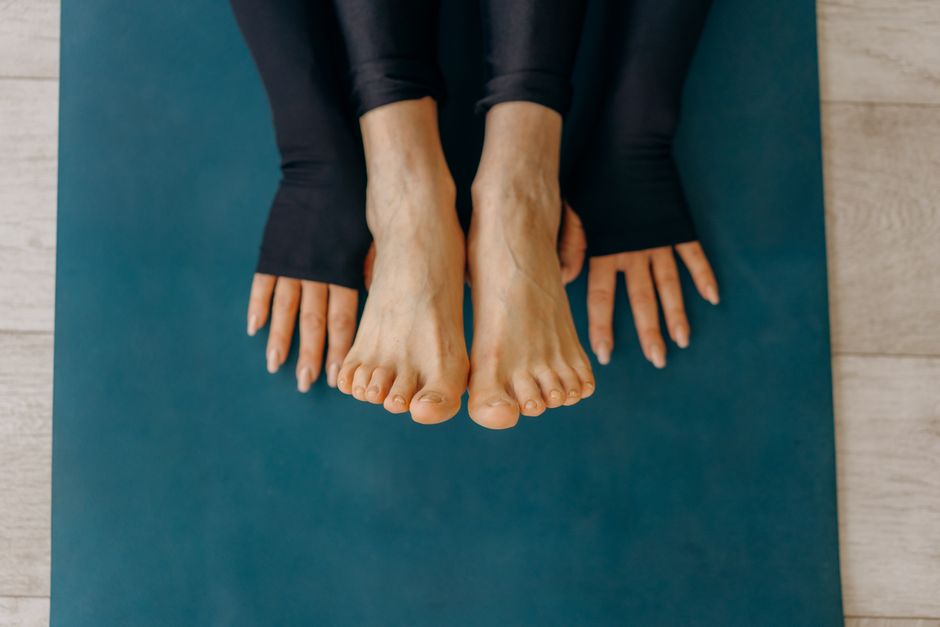
Swollen feet and ankles are one of the most common complaints in the weeks after childbirth. The swelling, known medically as postpartum edema, happens because your body is shedding the extra fluid it held onto during pregnancy. For most women, this fluid works its way out through urine and sweat within the first week or two. You can speed this process up by moving regularly, elevating your legs, drinking water, and wearing compression socks. If the swelling is severe, comes with pain, or affects only one leg, contact your doctor right away because that can signal a blood clot.
Why Do Feet Stay Swollen After Giving Birth?
During pregnancy, your body produces about 50% more blood and body fluid to support the baby. That extra fluid doesn’t disappear the moment you deliver. After birth, your hormone levels shift and your body begins to flush out the excess.
The process is not instant. In the first 24 hours after delivery, many women actually notice more swelling before it starts to go down. This is because the intravenous fluids given during labor, if you had them, add to the total. Your kidneys are working overtime to filter everything out now that the placenta is gone.
This fluid follows gravity. When you stand or sit for long periods, it pools in your feet and ankles. When you lie down, it moves toward your upper body. That is why your feet look worse at the end of the day than they do first thing in the morning.
How To Get Rid Of Swollen Feet After Pregnancy
The most effective way to reduce postpartum foot swelling is to get the fluid moving back into your circulation. Your lymphatic system and veins rely on muscle movement to push fluid upward. When you are sedentary, that pump is inactive.
Here are the methods that consistently help:
- Walk regularly. Short, gentle walks several times a day activate the calf muscle pump. Start with 5 to 10 minutes and build up as you feel able.
- Elevate your feet. When sitting or lying down, prop your feet up above the level of your heart. This uses gravity to drain fluid from your lower legs.
- Wear compression socks. Graduated compression stockings apply firmest pressure at the ankle and less pressure higher up. This pushes fluid out of the tissues and back into the veins. Look for 15-20 mmHg or 20-30 mmHg strength, which are common over-the-counter options.
- Drink water. It sounds backward, but drinking fluids actually helps your kidneys flush out the excess sodium and water. Dehydration makes your body hold onto fluid.
- Move your ankles. Trace circles with your feet, point and flex your toes, and pump your feet up and down while sitting. Do this every hour.
These methods work because they address the mechanism directly. The fluid is sitting in your interstitial tissue — the space between your cells. Muscle contraction and compression physically push that fluid back into your bloodstream, where your kidneys can process it.
How Long Does Postpartum Swelling Last?
Most women see significant improvement within the first week after delivery. The bulk of the extra fluid is usually gone by the two-week mark. Some women, especially those who had preeclampsia or who delivered by cesarean section, may have swelling that lingers for several weeks.
You will notice the swelling comes and goes. It may be worse in the afternoon, after a long car ride, or after standing for a while. This is normal. What matters is the overall trend — it should be gradually improving, not getting worse day by day.
One thing to expect: you may urinate frequently and sweat more than usual in the first week. This is the fluid leaving your body. Some women also notice their rings feel loose again around this time. These are signs the process is working.




When Swollen Feet After Pregnancy Is Dangerous
Most postpartum foot swelling is harmless. But there are situations where it signals a serious problem. You should seek medical attention immediately if you experience any of the following:
- Swelling in only one leg — This can be a deep vein thrombosis (DVT), a blood clot in the leg. It is more likely if the leg is also painful, warm, or red.
- Sudden or severe swelling — A rapid increase in swelling, especially in your face or hands along with your feet, can indicate postpartum preeclampsia.
- Swelling with chest pain or trouble breathing — This can signal a pulmonary embolism, where a blood clot travels to your lungs.
- Headache, vision changes, or upper belly pain — These are other signs of preeclampsia and require urgent evaluation.
The first six weeks after birth carry the highest risk for blood clots. Your body is still recovering from the changes of pregnancy, and the hormonal shifts that protected you during pregnancy are reversing. If something feels wrong, do not wait to call your doctor.
What Makes Postpartum Swelling Worse?
Some habits and situations prolong swelling. Knowing what they are can help you avoid them.
Standing or sitting for long stretches lets fluid pool in your lower legs. If you must stand, shift your weight and walk a few steps every 15 minutes. If you are sitting to breastfeed, put your feet up on a stool or ottoman.
High-sodium foods cause your body to retain water. Processed foods, canned soups, deli meats, and fast food are common culprits. This does not mean you need a strict low-salt diet — just be mindful of how much processed food you are eating while your body is trying to shed fluid.
Heat dilates blood vessels and makes fluid leak into tissues more easily. Hot showers, hot weather, and warm rooms can all temporarily increase swelling. Cool environments and cold compresses on the feet can help.
Tight clothing around the calf or ankle can restrict blood flow. Wear loose, comfortable shoes and avoid socks with tight elastic bands at the top.
Should You Take Medication for Postpartum Swelling?
Diuretics — water pills — are generally not recommended for postpartum swelling. Your body is already working to shed the fluid on its own. Taking a diuretic can disrupt your electrolyte balance and reduce your milk supply. No clinical guidelines recommend diuretics for routine postpartum edema.
Over-the-counter pain relievers like ibuprofen do not directly treat swelling, but they can help if you have inflammation from delivery. Always check with your doctor before taking any medication while breastfeeding.
Some herbal teas and supplements are marketed for water retention. The evidence for these is limited, and some herbs are not safe while nursing. Do not take any supplement for swelling without discussing it with your healthcare provider first.
Does Breastfeeding Help or Worsen Swelling?
Breastfeeding can help reduce swelling. The hormone oxytocin, released during nursing, triggers uterine contractions and helps your body return to its non-pregnant state. This process also encourages your kidneys to release the fluid your body no longer needs.
That said, some women notice more swelling in their feet while breastfeeding. This is often because they are sitting still for extended periods while nursing. The solution is not to stop feeding — it is to elevate your feet during feedings and do ankle pumps while the baby nurses.
Staying hydrated while breastfeeding is important. Your body needs water to produce milk, and being dehydrated makes your tissues hold onto fluid rather than releasing it.
When To Call Your Doctor
In the first two weeks after birth, you should have a follow-up appointment with your obstetrician. Bring up any concerns about swelling at that visit. But do not wait for that appointment if you have warning signs.
Call your doctor or go to urgent care if:
- The swelling is worse on one side than the other
- Your leg is painful, red, or hot to the touch
- You have shortness of breath or chest pain
- You develop a severe headache that does not go away
- You have vision changes like blurring or seeing spots
- The swelling suddenly gets much worse after it had started improving
These symptoms can indicate a blood clot or postpartum preeclampsia, both of which are treatable but require prompt medical care. Trust your instincts. If you feel something is off, get checked.
Frequently Asked Questions
How long does it take for feet to stop swelling after pregnancy?
Most women see significant improvement within the first week and the swelling is usually gone by two weeks after delivery. Some women, especially those with cesarean deliveries or preeclampsia, may have swelling for several weeks.
Does walking help swollen feet after pregnancy?
Yes, gentle walking activates the calf muscle pump that pushes fluid out of your lower legs and back into your circulation. Short walks several times a day are more effective than one long walk.
Can I take ibuprofen for swollen feet after birth?
Ibuprofen can help with inflammation but is not a treatment for fluid retention. Check with your doctor before taking any medication while breastfeeding.
Why is one foot more swollen than the other after pregnancy?
Mild differences between the two feet can be normal, but significant swelling in only one leg with pain or redness can indicate a blood clot. Contact your doctor immediately if this occurs.
