
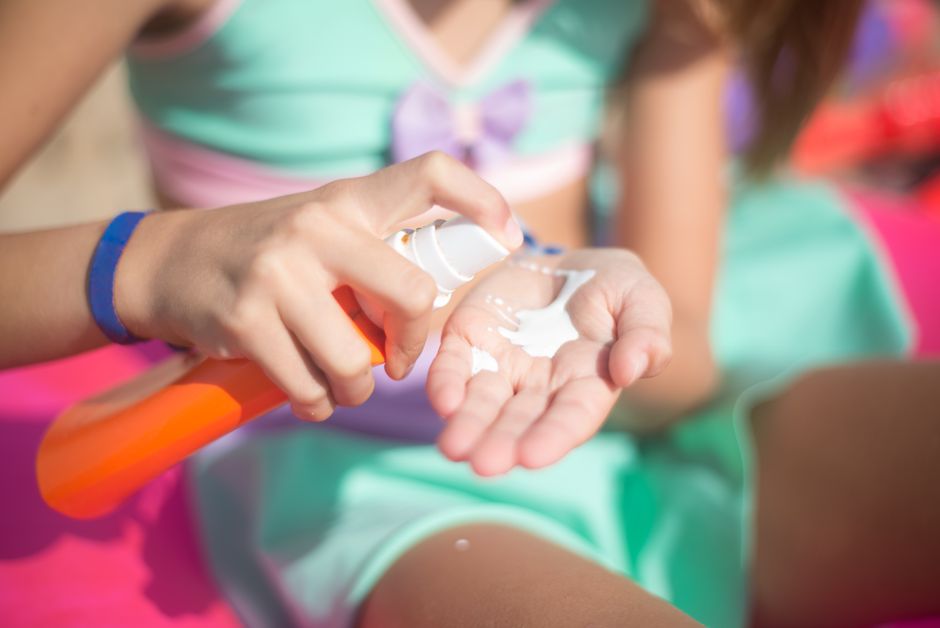
Sunburn redness happens because ultraviolet light damages skin cells, and your body responds by sending extra blood to the area to help with repair. That increased blood flow is what makes your skin look red, feel warm, and hurt to the touch. You can reduce that redness quickly by cooling the skin, using the right over-the-counter products, and keeping the skin moisturized while it heals. Acting within the first few hours makes the biggest difference in how long the redness lasts.
What Actually Happens to Your Skin During a Sunburn
Sunburn is a radiation injury. UV rays penetrate the outer layer of skin and damage the DNA inside skin cells. When cells detect this damage, they trigger an inflammatory response. Blood vessels dilate, meaning they widen, and fluid leaks into the surrounding tissue. That combination causes redness, swelling, and pain.
The redness usually peaks between 12 and 24 hours after sun exposure. This means a burn that looks mild in the morning can look much worse by evening. The inflammation process takes time to build, and it also takes time to settle down. Knowing this timeline helps set realistic expectations. You can reduce the intensity of the redness, but you cannot make a sunburn disappear overnight.
Skin peeling typically starts a few days later. That is the body shedding dead, damaged cells to make room for new ones. Peeling does not mean the burn is healing well. It simply means the damage was deep enough that the skin needs to replace itself.
How To Get Rid Of Sunburn Redness Fast
The fastest way to reduce sunburn redness is to cool the skin immediately and keep it cool for the first few hours. Take a cool shower or bath, not a cold one. Cold water can shock the skin and make the inflammation response worse. Cool water helps constrict blood vessels, which directly reduces the redness.
After cooling, pat the skin dry gently. Do not rub. Then apply a moisturizer while the skin is still slightly damp. This traps water in the skin and helps restore the damaged moisture barrier. Look for products with aloe vera, soy, or oatmeal. These ingredients have anti-inflammatory properties that calm the skin.
Apply the moisturizer several times a day. Sunburned skin loses moisture rapidly, and keeping it hydrated supports the healing process. Redness fades faster on skin that is not dried out and cracked.
An over-the-counter hydrocortisone cream of 1 percent strength can also help. It works by reducing inflammation directly. Some research suggests that applying a mild steroid cream early in a sunburn can reduce redness and pain. Use it for a short period only, usually two to three days, and do not apply it to broken or blistered skin.
What To Put on a Sunburn for Fast Relief
Aloe vera is the most widely studied natural remedy for sunburn. The gel inside the aloe leaf contains compounds that reduce inflammation and promote skin repair. Use pure aloe gel, not a product with added alcohol, fragrance, or dye. Alcohol dries the skin and can make the burn worse.
Cool compresses also work well. Soak a clean cloth in cool water, wring it out, and lay it over the burned area for 15 to 20 minutes. Repeat this several times a day. The cooling effect reduces blood flow to the surface, which lowers redness and numbs the pain temporarily.
Moisturizers containing soy or oatmeal are good choices. Soy has anti-inflammatory properties, and colloidal oatmeal forms a protective barrier over the skin. Both are gentle enough for damaged skin.
Avoid products containing petroleum jelly, benzocaine, or lidocaine in the first few hours. Petroleum jelly traps heat in the skin, which can make the burn feel worse. Numbing agents can cause allergic reactions on already irritated skin. Wait until the skin has cooled down before applying heavier ointments.




What Not To Do When You Have a Sunburn
Do not pop blisters. Blisters are the skin’s natural bandage. They protect the raw, healing skin underneath from infection. If a blister breaks on its own, wash the area gently with mild soap and water, apply an antibiotic ointment, and cover it with a loose bandage.
Do not scrub the skin. Dead skin will peel off when it is ready. Pulling or scrubbing it off exposes the tender new skin underneath and increases the risk of infection.
Do not apply ice directly to the skin. Ice can cause frostbite on top of a sunburn. The skin is already damaged, and extreme cold can injure it further. Use cool water or cool compresses instead.
Do not use harsh soaps or exfoliating scrubs. These strip away the natural oils that sunburned skin desperately needs. Use a mild, fragrance-free cleanser.
How Long Does Sunburn Redness Last
Mild sunburn redness typically lasts three to five days. The intensity usually peaks at 24 hours and then gradually fades. More severe burns can stay red for a week or longer.
Pain usually starts to improve after 48 hours. Peeling begins around day three and can continue for several days after that. The skin may remain sensitive, dry, and discolored for weeks after the visible redness fades.
If the redness is accompanied by severe pain, large blisters, fever, chills, or nausea, seek medical attention. These can be signs of sun poisoning, which is a severe form of sunburn that requires medical treatment. Sun poisoning is not a formal medical diagnosis, but it describes a sunburn severe enough to cause systemic symptoms.
When To See a Doctor for a Sunburn
Most sunburns can be managed at home with the steps above. But some burns require professional care. See a doctor if you experience any of the following:
- Blisters covering a large portion of your body
- Fever, chills, or severe headache
- Nausea, dizziness, or confusion
- Signs of infection, such as pus, increasing pain, or red streaks
- A burn that does not start improving within a few days
These symptoms can indicate a severe burn that needs prescription treatment or IV fluids. Do not wait to see if they pass. Sunburn dehydration is a real risk, especially when a large surface area of skin is burned.
How To Prevent Sunburn Redness in the First Place
Prevention is the only way to completely avoid sunburn redness. Sunscreen is the first line of defense. Use a broad-spectrum sunscreen with an SPF of at least 30. Broad-spectrum means it protects against both UVA and UVB rays. UVA rays cause premature aging, and UVB rays cause burning. Both contribute to skin damage and cancer risk.
Apply sunscreen generously. Most people apply only half the amount needed for full protection. A general rule is one ounce, about a shot glass full, to cover the entire body. Reapply every two hours and immediately after swimming or sweating.
Sun protection is not just about sunscreen. Wear protective clothing, a wide-brimmed hat, and sunglasses. Seek shade during peak sun hours, typically between 10 a.m. and 4 p.m. UV rays can still damage skin on cloudy days, so do not skip protection just because the sun is not visible.
Tanning beds are not a safe alternative. They emit UVA radiation that penetrates deeper into the skin and increases the risk of melanoma. There is no such thing as a safe tan, because tanning itself is a sign of skin damage.
Does Drinking Water Help Sunburn Redness
Staying hydrated helps your body recover from any injury, including sunburn. Sunburn draws fluid to the skin surface and away from the rest of the body. This can leave you mildly dehydrated, especially if the burn covers a large area.
Drinking water will not directly reduce redness. But it supports the overall healing process. Your skin needs adequate hydration from the inside to repair itself effectively. Aim for your normal daily water intake, and drink more if you feel thirsty.
Alcohol and caffeinated drinks can dehydrate you further. Limit these while your sunburn heals. They also dilate blood vessels, which can temporarily make the redness look more intense.
Do Sunburn Remedies Like Vinegar or Yogurt Work
Home remedies like vinegar, yogurt, and essential oils circulate widely online. The evidence for most of them is weak. Vinegar is acidic and can irritate already damaged skin. Yogurt contains lactic acid, which may sting on broken skin. Essential oils are concentrated plant extracts and can cause allergic reactions.
Some research suggests that cooled black tea or green tea compresses may help because of their antioxidant content. But the evidence is limited, and cool compresses alone provide much of the same benefit. Stick with proven methods: cooling, moisturizing, and anti-inflammatory creams.
If you want to try a home remedy, test it on a small area of skin first. If it stings or burns, wash it off immediately and do not apply it to the rest of the burn.
Frequently Asked Questions
How long does it take for sunburn redness to go away?
Mild sunburn redness usually fades within three to five days. The redness typically peaks at 24 hours after sun exposure, then gradually decreases.
Does aloe vera actually help sunburn redness?
Yes, pure aloe vera gel is one of the most effective natural remedies for sunburn. It contains anti-inflammatory compounds that calm the skin and support the repair process.
Can I put ice directly on a sunburn?
No, never put ice directly on sunburned skin. Ice can cause frostbite on top of the burn and make the injury worse.
Should I pop sunburn blisters?
No, leave blisters intact. They protect the healing skin underneath and reduce the risk of infection.
