

You finish a meal and suddenly your waistband feels tight. Your belly looks and feels firm, almost like a drum. For many people, this is a normal response to eating. The stomach naturally expands to hold food, and the muscles around it tighten to support that process.
A hard stomach after eating is rarely a cause for alarm. It usually means your digestive system is doing its job. But there are times when abdominal firmness signals something worth a closer look. Understanding the difference helps you know when to relax and when to call your doctor.
Why Does My Stomach Get Hard After I Eat?
Your abdomen is not empty space. It holds your stomach, intestines, liver, pancreas, and other organs. When you eat, your stomach expands like a balloon to accommodate the food. This expansion pushes against the abdominal wall from the inside.
The abdominal wall is made of layers of muscle. When pressure builds inside, these muscles contract reflexively. That combination — a full stomach pushing outward and muscles tightening in response — creates the hard feeling. The effect is most noticeable in the upper belly, just below the ribs, where the stomach sits.
Gas adds to the pressure. Everyone swallows some air while eating and drinking. Certain foods produce gas as they break down in the intestines. When gas accumulates, it stretches the intestinal walls, and the entire abdomen can feel tense and firm.
Normal Digestion vs. Concerning Symptoms
Normal post-meal firmness typically fades within a few hours. As food moves through the digestive tract, the pressure decreases and your belly returns to its usual feel. This is a normal part of digestion, not a sign of trouble.
You should take note if the hardness comes with other symptoms. Pain that is severe or worsening is never normal. Neither is a stomach that stays hard for many hours after eating, especially if it was soft before the meal.
Seek medical attention promptly if a hard stomach appears with any of these signs:
- Severe or cramping pain that does not ease
- Vomiting, especially if you cannot keep fluids down
- Blood in your stool or vomit
- A fever
- Swelling that gets progressively worse over hours
- Inability to pass gas or have a bowel movement
These symptoms can indicate a blockage, inflammation, or another condition that needs medical evaluation. Do not wait to see if they pass on their own.
Common Causes of a Hard Stomach After Meals
Several everyday factors can make your stomach feel firmer than usual after eating. Most are harmless and manageable.
Overeating is the most straightforward cause. A stomach stretched beyond its comfortable capacity presses harder against the abdominal wall. Your muscles tighten to support the extra volume, and the result is a visibly distended, firm belly.
Eating too quickly leads to swallowing excess air. That air travels to your stomach and intestines, adding internal pressure. Slowing down and chewing thoroughly reduces the amount of air you swallow.
Carbonated drinks release carbon dioxide gas into your digestive tract. This gas needs to escape, either through belching or passing gas. Until it does, your abdomen may feel bloated and hard.
High-fiber foods are excellent for health, but they produce gas as gut bacteria ferment them. Beans, lentils, broccoli, cabbage, and whole grains are common culprits. If you recently increased your fiber intake, your body may need time to adjust.
Food intolerances can cause bloating and firmness after eating specific foods. Lactose in dairy products and fructose in certain fruits are common triggers. The symptoms occur because your body cannot fully break down these sugars, and bacteria in the colon ferment them instead, producing gas.




What Is an Abdominal Wall Hernia?
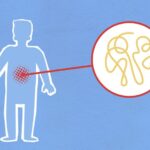
Sometimes a hard area in the belly after eating is not general bloating but a specific bulge. An abdominal wall hernia occurs when tissue pushes through a weak spot in the abdominal muscles. This can create a visible lump that feels firm to the touch.
Hernias often appear after activities that increase abdominal pressure, such as heavy lifting, coughing, or straining. Eating a large meal can also make an existing hernia more noticeable because the increased internal pressure pushes more tissue through the opening.
Hernias are common, and many cause no symptoms beyond a visible bulge. But a hernia that becomes painful, tender, or cannot be pushed back in requires prompt medical attention. This can indicate strangulation, where the blood supply to the trapped tissue is cut off. Strangulation is a surgical emergency.
Irritable Bowel Syndrome and Other Digestive Conditions
For people with irritable bowel syndrome (IBS), post-meal bloating is a frequent complaint. IBS affects how the intestines contract and how sensitive the gut is to stretching. Even normal amounts of gas can cause significant distension and discomfort in someone with IBS.
Other digestive conditions can also cause abdominal firmness after eating. Gastroparesis is a condition where the stomach empties more slowly than normal. Food lingers in the stomach for hours, causing fullness, bloating, and a hard upper abdomen. This condition is most common in people with diabetes, but it can have other causes.
Celiac disease, an autoimmune reaction to gluten, can cause bloating and abdominal pain after meals. Unlike a food intolerance, celiac disease damages the small intestine over time. If you consistently react to wheat, barley, or rye, discuss testing with your doctor.
When Bloating Is Actually Fluid Retention
Not all abdominal firmness comes from gas or food. Some people mistake fluid accumulation for bloating. This distinction matters because the causes and implications are different.
Gas-related bloating tends to come and go. It shifts with movement, burping, or passing gas. Fluid accumulation, called ascites, is more constant. The abdomen feels heavy and tense, and the firmness does not resolve with passing gas or a bowel movement.
Ascites can signal liver disease, heart failure, or other serious conditions. If your abdomen has been gradually getting firmer over weeks, or if you notice swelling in your legs or feet alongside abdominal firmness, see a doctor. This is not something to manage at home.
How to Reduce Post-Meal Bloating
Simple habits can prevent or reduce the hard, bloated feeling after meals. These strategies address the most common causes without requiring medication.
Eat smaller portions. Your stomach stretches more comfortably with less volume. If you tend to eat large meals, try splitting them into smaller, more frequent ones.
Slow down. Eating quickly makes you swallow air and often leads to overeating because your brain has not yet registered fullness. Put your fork down between bites and chew thoroughly.
Limit carbonated drinks. The gas in soda, sparkling water, and beer has to go somewhere. If bloating bothers you regularly, choose still beverages instead.
Walk after meals. Light physical activity helps stimulate digestion and encourages gas to move through your system. A short walk around the block can make a noticeable difference.
Track trigger foods. If you notice that certain foods consistently cause bloating, keep a food diary. Note what you ate, how much, and how you felt afterward. Patterns often emerge within a few weeks.
Consider probiotics. Some research suggests that certain probiotic strains may reduce bloating in people with IBS. The evidence is not strong enough to recommend a specific product, and results vary widely between individuals.
When to See a Doctor About a Hard Stomach
Occasional abdominal firmness after a large meal is normal. Frequent or severe bloating is worth discussing with a healthcare provider, especially if it interferes with daily life.
Make an appointment if you experience any of the following:
- Bloating that happens after most meals
- Abdominal pain that wakes you from sleep
- Unintentional weight loss
- Changes in bowel habits lasting more than a few weeks
- Blood in your stool
- A hard stomach that does not go away, even when you have not eaten
Your doctor can help identify whether your symptoms point to a food intolerance, a digestive condition, or something else entirely. Many causes of chronic bloating are manageable once properly diagnosed.
Frequently Asked Questions
Why does my stomach get hard and tight after every meal?
Your stomach expands to hold food and gas, which presses against your abdominal muscles and makes them feel tight. If it happens after every meal, you may be eating too quickly, eating large portions, or reacting to specific foods.
How long does a hard stomach last after eating?
Normal post-meal firmness usually fades within 2 to 4 hours as food moves through your digestive tract. If your stomach stays hard much longer than that, or if it never softens, mention it to your doctor.
Can a hard stomach after eating be a sign of something serious?
Sometimes. Severe pain, vomiting, fever, or a stomach that stays hard for many hours can indicate a blockage or other condition needing medical care. Occasional firmness without other symptoms is generally normal.
What is the fastest way to relieve a hard bloated stomach?
Walking or light movement helps gas move through your system, and drinking water supports digestion. Avoid carbonated drinks and tight clothing until the feeling passes.
