
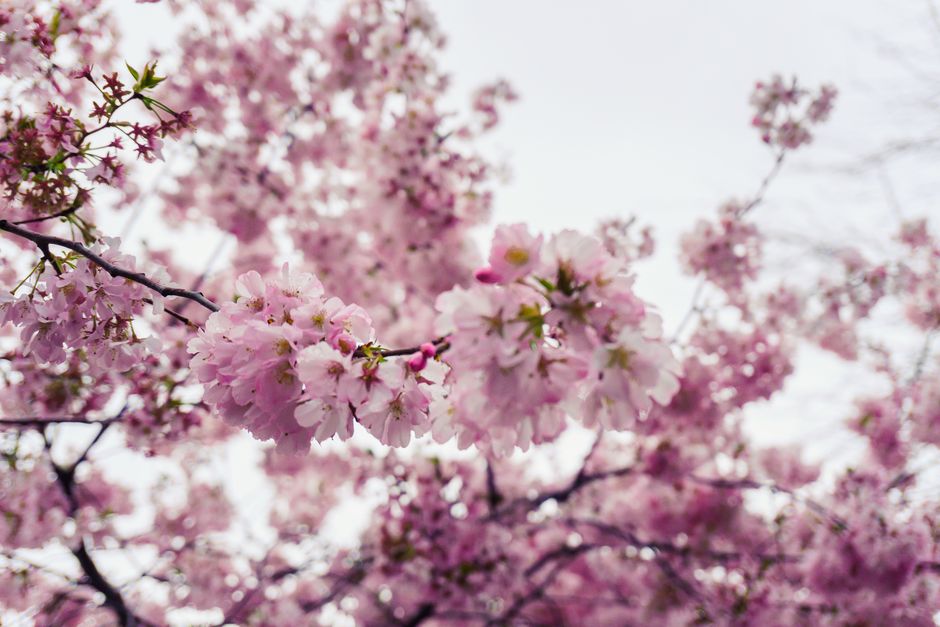
Spring allergies hit when pollen counts rise and your immune system mistakes tree, grass, and weed pollen for a threat. The result is sneezing, a runny nose, itchy eyes, and congestion that can last for weeks. The most effective approach combines avoiding pollen, using the right medications at the right time, and rinsing pollen out of your nose and eyes. Antihistamines, nasal corticosteroids, and saline rinses are the treatments with the strongest evidence behind them. Start them before symptoms begin and use them consistently through the season.
What Actually Causes Spring Allergies?
Spring allergies are an immune system response to pollen. Trees typically release pollen first, starting in late winter or early spring depending on your region. Grasses follow in late spring and early summer. Weed pollen, like ragweed, is more of a late summer and fall problem.
When pollen enters your nose, your immune system may treat it as an invader. It releases histamine and other chemicals to fight it off. Those chemicals cause blood vessels to dilate and fluid to leak into tissues, which produces the classic allergy symptoms. This is not a sign of a weak immune system. It is an overreaction to a harmless substance.
Pollen counts are highest on warm, dry, windy days. They are lowest after rain, which washes pollen out of the air. Knowing this helps you plan when to spend time outdoors and when to stay inside.
How To Get Rid Of Spring Allergies What Works?
No single treatment eliminates spring allergies completely, but a layered approach works best. The three pillars are avoidance, medication, and nasal irrigation.
Start with avoidance because it reduces the total amount of pollen your body has to handle. Check daily pollen counts before going outside. Keep windows closed at home and in the car. Run your air conditioning instead of opening windows, and use a HEPA filter in your bedroom to trap airborne pollen.
Change clothes after spending time outdoors. Shower before bed to wash pollen off your skin and hair. Otherwise, you transfer pollen to your pillow and breathe it in all night. These steps do not cure allergies, but they lower your exposure enough that medications work better.
For medication, the evidence is strongest for two classes of drugs. Nasal corticosteroids like fluticasone and budesonide reduce inflammation in the nasal passages. They are the most effective treatment for nasal allergy symptoms, but they take several days to reach full effect. Start them about a week before pollen season begins if you know your triggers.
Antihistamines like cetirizine, loratadine, and fexofenadine block the histamine response. They work within an hour or two and are best for sneezing, itching, and runny nose. Newer second-generation antihistamines cause less drowsiness than older ones like diphenhydramine. If you take the older type, expect sedation and avoid driving until you know how it affects you.
Combining a daily nasal steroid with an antihistamine as needed covers most people well. Decongestants like pseudoephedrine reduce nasal congestion but should not be used for more than a few days. Prolonged use can cause rebound congestion, where your nose gets more blocked than before.
Do Allergy Shots Work For Spring Allergies?
Allergy immunotherapy, commonly called allergy shots, is the only treatment that changes how your immune system responds to pollen. Instead of just suppressing symptoms, it trains your immune system to tolerate the allergen over time.
The process involves regular injections of gradually increasing amounts of the pollen you are allergic to. Build-up phase lasts several months, then maintenance injections continue for three to five years. Many people experience significant symptom reduction, and the effect can last for years after treatment stops.
This is not a quick fix. It requires commitment and regular clinic visits. It is most appropriate for people whose symptoms are not well controlled by medications, who experience side effects from drugs, or who have allergies that interfere significantly with daily life. Some research also supports sublingual immunotherapy, where allergen tablets dissolve under the tongue, for certain pollens. Discuss both options with an allergist to determine if you are a candidate.


Which Over-The-Counter Medications Work Best?
The drugstore allergy aisle is overwhelming. Here is what the evidence actually supports.
- Nasal corticosteroid sprays — the most effective single treatment for nasal symptoms. Examples include fluticasone (Flonase) and triamcinolone (Nasacort). Use daily, not as needed.
- Second-generation antihistamines — good for sneezing, itching, and hives. Examples include cetirizine (Zyrtec), loratadine (Claritin), and fexofenadine (Allegra). Less drowsy than first-generation options.
- Antihistamine eye drops — ketotifen (Zaditor) relieves itchy, red eyes quickly. Safe for most adults.
- Saline nasal rinses — a neti pot or squeeze bottle with sterile saline flushes pollen out of the nasal passages. Use daily during pollen season.
- Oral decongestants — pseudoephedrine (Sudafed) relieves congestion but raises blood pressure in some people. Check with your doctor if you have hypertension or heart disease.
Do not expect immediate relief from nasal steroids. They take three to seven days to build up. If you start them at the first sign of symptoms, you will get better control than waiting until congestion is severe.
Combination products that include an antihistamine and decongestant are convenient but not always better than taking them separately. You lose the ability to adjust each component independently. If you only need symptom relief at night, a single antihistamine may be enough.
Are Natural Remedies Effective For Spring Allergies?
Many natural products claim to relieve allergies. The evidence is mixed, and some claims outpace the research.
Saline nasal irrigation is the natural remedy with the strongest evidence. It physically removes pollen and mucus from the nasal passages, reducing symptoms without any drug side effects. Use distilled, sterile, or previously boiled water only. Tap water can contain organisms that cause serious infections if introduced into the nasal passages.
Butterbur extract has shown some promise in clinical trials for allergic rhinitis. However, raw butterbur contains compounds that can damage the liver. Only use products that are labeled as free of pyrrolizidine alkaloids (PAs). The evidence is not strong enough to recommend it as a first-line treatment.
Quercetin, a plant flavonoid, is often marketed for allergies. Laboratory studies show it can inhibit histamine release, but no large human trials confirm it works for spring allergies. The same applies to vitamin C, local honey, and apple cider vinegar. Local honey does not contain the pollen that triggers spring allergies in most people. Tree and grass pollen are wind-pollinated, not bee-pollinated. The honey theory sounds logical but does not hold up under scrutiny.
Some research suggests that certain probiotic strains may reduce allergy symptoms, but results are inconsistent across studies. No specific probiotic product has enough evidence to recommend it for allergy relief.
When Should You See A Doctor For Spring Allergies?
See a doctor if over-the-counter medications do not control your symptoms, if you have asthma alongside allergies, or if your symptoms interfere with sleep, work, or school. An allergist can perform skin or blood tests to identify exactly which pollens trigger your symptoms.
You should also seek medical care if you develop shortness of breath, wheezing, or chest tightness. Allergies can trigger asthma attacks in susceptible people. These symptoms are not normal allergy symptoms and require evaluation.
Prescription options exist beyond over-the-counter drugs. Some nasal sprays require a prescription, and certain antihistamines are available in higher strengths. An allergist can also determine if immunotherapy is right for you.
Do not use over-the-counter decongestant sprays like oxymetazoline (Afrin) for more than three days. They cause rebound congestion, and the condition can be harder to treat than the original allergy. If you rely on these sprays regularly, you need a different approach.
How To Reduce Pollen Inside Your Home
Your home can become a pollen trap if you do not manage it actively. Pollen sticks to clothing, hair, and pet fur and gets tracked inside.
Keep windows closed during peak pollen hours, which are usually mid-morning to early afternoon. Use air conditioning instead. A HEPA filter in the bedroom reduces airborne pollen while you sleep. Change the filter regularly according to the manufacturer’s instructions.
Remove shoes at the door. Wash bedding in hot water weekly. If you have pets that go outside, wipe their paws and fur before they come in. Vacuum with a HEPA-equipped vacuum cleaner at least once a week. Dust surfaces with a damp cloth rather than a dry one, which just stirs pollen back into the air.
Dry clothes indoors during pollen season. Line-drying outside exposes fabric to pollen, which then transfers to your skin when you wear the clothes.
Frequently Asked Questions
When should I start taking allergy medication for spring allergies?
Start nasal corticosteroid sprays about one week before pollen season begins in your area. Antihistamines can be started the day symptoms appear because they work within hours.
Is it safe to take allergy medication every day?
Yes, second-generation antihistamines and nasal corticosteroids are safe for daily use throughout allergy season for most people. Check with your doctor if you have liver or kidney disease, are pregnant, or take other medications.
Does local honey help with spring allergies?
No good evidence shows that local honey relieves spring allergies. Tree and grass pollen that cause spring symptoms are wind-pollinated and rarely appear in honey.
Can spring allergies cause a fever?
No, allergies do not cause fever. A fever with allergy-like symptoms suggests an infection, such as a cold or flu, and should be evaluated by a doctor.
