
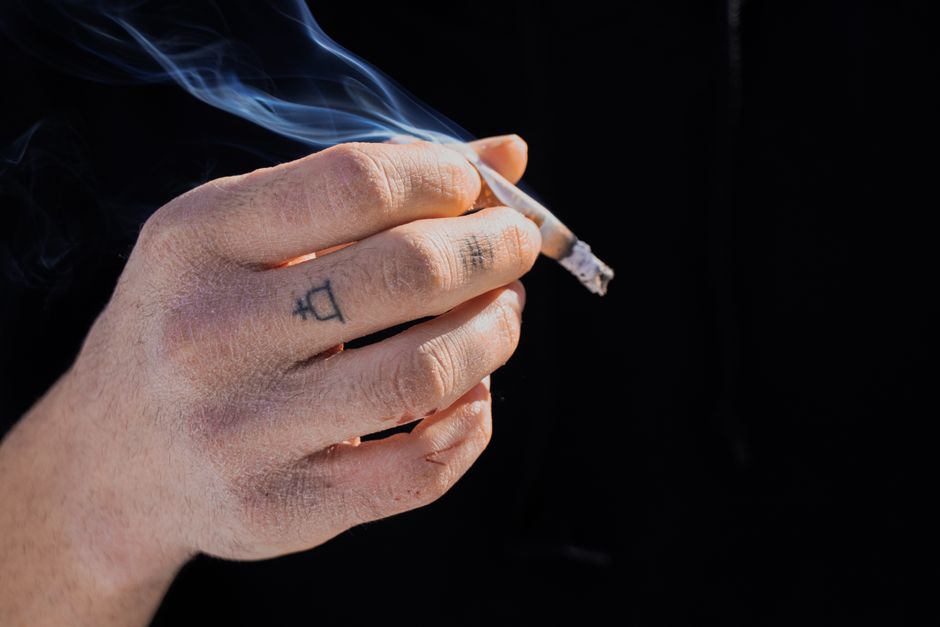
It is a familiar scene. You have a drink in your hand, someone nearby lights a cigarette, and suddenly you want one too. The connection between alcohol and smoking is strong for many people. The good news is that breaking this link is possible with the right plan. Research shows that specific strategies can help you not smoke when drinking, and they work better than just relying on willpower alone.
Why Do I Crave Cigarettes When I Drink Alcohol?
Alcohol and nicotine affect the brain in ways that feed off each other. Alcohol increases the effects of nicotine, making each cigarette feel more rewarding. At the same time, nicotine can reduce some of the sedative effects of alcohol, allowing you to drink more without feeling as drunk.
This chemical interaction creates a powerful loop. Your brain starts to associate drinking with smoking. After a few drinks, the urge to smoke can feel automatic. It is not a lack of willpower. It is your brain responding to a learned pattern reinforced by brain chemistry.
Research published in Neuropharmacology found that alcohol increases the activity of nicotine receptors in the brain. This means that even a small amount of alcohol can make a cigarette feel more satisfying than it would sober. Understanding this biological link is the first step to breaking the habit.
How To Not Smoke When Drinking: What Actually Works?
The most effective approach is to separate the two behaviors completely. The simplest way to do this is to avoid drinking for a period of time while you work on quitting smoking. The CDC reports that people who quit both at the same time have higher success rates than those who try to quit only one.
If you are not ready to stop drinking, you need a plan for the moments when the craving hits. Here are strategies that have solid evidence behind them:
- Change your drink. Some studies suggest that sugary mixers or cocktails can intensify cravings. Sticking with light beer or wine may reduce the urge to smoke compared to hard liquor or sweet drinks.
- Keep your hands busy. Hold a bottle, a glass, or a straw. Use a napkin. Fidget with a coaster. The physical habit of bringing a hand to your mouth is part of the smoking ritual. Replacing it with something else helps.
- Use nicotine replacement therapy (NRT). Nicotine gum or lozenges before and during drinking can reduce cravings significantly. The American Cancer Society notes that NRT doubles your chances of quitting successfully.
- Set a hard rule. Decide before you go out that you will not smoke that night. Tell a friend. Make it a commitment. People who set specific rules are more likely to follow them than those who rely on vague intentions.
One non-obvious insight from research is that the urge to smoke while drinking peaks around 15 to 30 minutes after your first drink. If you can get through that window without smoking, the craving often fades. Plan to be busy during that time.
Does Quitting Alcohol Help You Quit Smoking Faster?
Yes, and the evidence is strong. A study in the journal Addiction followed people who quit smoking and drinking at the same time. They were 36 percent more likely to stay smoke-free after one year compared to those who only quit smoking.
The reason is simple. Alcohol lowers your inhibitions. It weakens your resolve. When you drink, your brain is less able to resist the immediate reward of a cigarette. By removing alcohol entirely, you remove one of the biggest triggers for relapse.
This does not mean you have to quit drinking forever. Many people find that taking a break of 30 to 90 days from alcohol is enough to break the smoking habit. After that, some can drink again without smoking. Others find that even one drink triggers the urge. You have to know your own limits.
If you choose to keep drinking while quitting smoking, keep your drinking moderate. The National Institute on Alcohol Abuse and Alcoholism defines moderate drinking as no more than one drink per day for women and two for men. Staying within these limits reduces the chance of relapse.




What To Do When a Craving Hits at a Bar or Party
You are out with friends. Someone offers you a cigarette. Your brain says yes. Here is what to do in that exact moment.
First, pause for ten seconds. Cravings are intense but short. Most peak and fade within a few minutes. A short delay can be enough to let the urge pass.
Second, change your environment. Step outside for air without going near the smoking area. Go to the bathroom. Order another drink. Move to a different part of the room. Physical movement disrupts the craving pattern.
Third, use a distraction that involves your mouth. Chew gum. Eat a snack. Drink water. The act of chewing or swallowing can replace the oral fixation of smoking.
Fourth, call or text a friend who knows you are quitting. A quick check-in can reset your focus. The social support alone has been shown in multiple studies to improve quit rates.
Fifth, remember why you quit. Keep a short mental list of your top reasons. Health. Money. Freedom from the habit. Repeating these reasons in your head during a craving can strengthen your resolve.
What About Vaping or E-Cigarettes As a Replacement?
Some people turn to vaping as a way to avoid cigarettes while drinking. The evidence on this is mixed. The FDA has not approved e-cigarettes as a smoking cessation tool. However, some studies suggest that switching completely to vaping can reduce exposure to harmful chemicals found in combustible cigarettes.
There are real downsides. Vaping still delivers nicotine, which keeps the addiction alive. It also keeps the hand-to-mouth habit in place. Many people who vape while drinking end up using both cigarettes and e-cigarettes, which may be worse than just smoking.
If you are considering vaping as a bridge, be honest about your goal. Is it to quit nicotine entirely? Or just to avoid smoke? If your goal is to be free of nicotine, vaping is not a long-term solution. If your goal is harm reduction, it may be a temporary step, but it is not risk-free.
The safest option is to avoid all inhaled nicotine products. If you need nicotine replacement, patches, gum, or lozenges are better studied and carry fewer unknowns than vaping.
Common Misconceptions About Smoking and Drinking
One common myth is that you cannot quit smoking if you still drink. This is not true. Many people successfully quit smoking while continuing to drink. It is harder, but it is possible with the right strategies.
Another myth is that switching to light cigarettes or rolling your own tobacco makes a difference. The truth is that all cigarettes are harmful. There is no safe level of smoking. The only real solution is to stop completely.
Some people believe that nicotine gum or patches are just as addictive as cigarettes. This is incorrect. Nicotine replacement products deliver nicotine more slowly and at lower doses than cigarettes. They are designed to help you taper off, not to keep you addicted.
A final misconception is that cravings will last forever. They do not. Most cravings fade within weeks of quitting. The association between drinking and smoking weakens over time. With each smoke-free night out, the link gets weaker.
Comparison of Strategies to Not Smoke While Drinking
| Strategy | How It Works | Evidence Strength | Best For |
|---|---|---|---|
| Quit both at once | Removes the trigger entirely | Strong | People ready to stop drinking |
| Nicotine replacement therapy | Reduces cravings during drinking | Strong | People who want to keep drinking |
| Change your drink | Reduces craving intensity | Moderate | Social drinkers |
| Keep hands busy | Replaces physical habit | Moderate | People with strong hand-to-mouth habits |
| Set a hard rule | Increases commitment | Moderate | People who respond to structure |
| Vaping | Replaces cigarette with e-cigarette | Weak to moderate | Harm reduction only |
Building a Long-Term Plan That Sticks
Breaking the smoking-while-drinking habit is not a one-time decision. It is a process. The people who succeed are the ones who plan ahead and prepare for the hard moments.
Start by identifying your high-risk situations. Is it after work drinks? Weekend parties? Dinner with a friend who smokes? Write them down. For each situation, decide exactly what you will do instead of smoking.
Practice saying no. It sounds simple, but many people fail because they do not have a ready response. Try: “No thanks, I quit.” Or: “I am trying to stay smoke-free tonight.” Having a prepared line makes it easier to refuse in the moment.
Reward yourself for smoke-free nights. Put the money you would have spent on cigarettes into a jar. Use it for something you enjoy. Positive reinforcement works. Your brain learns that not smoking has a real benefit.
If you slip, do not give up. One cigarette does not erase your progress. The key is to get back on track immediately. Most successful quitters had multiple attempts before they quit for good. Each attempt teaches you something.
Frequently Asked Questions
Can I have just one cigarette when I drink?
Having one cigarette often leads to more. Even one cigarette can trigger a full relapse for many people.
How long does it take for the craving to go away?
Most cravings last 3 to 5 minutes. They fade faster if you distract yourself or change your environment.
Will nicotine gum make me crave cigarettes more?
No. Nicotine gum reduces cravings by providing a controlled dose of nicotine without the harmful chemicals in smoke.
Is it easier to quit smoking if I quit drinking at the same time?
Yes. Research shows that quitting both together increases your chances of staying smoke-free long term.
