
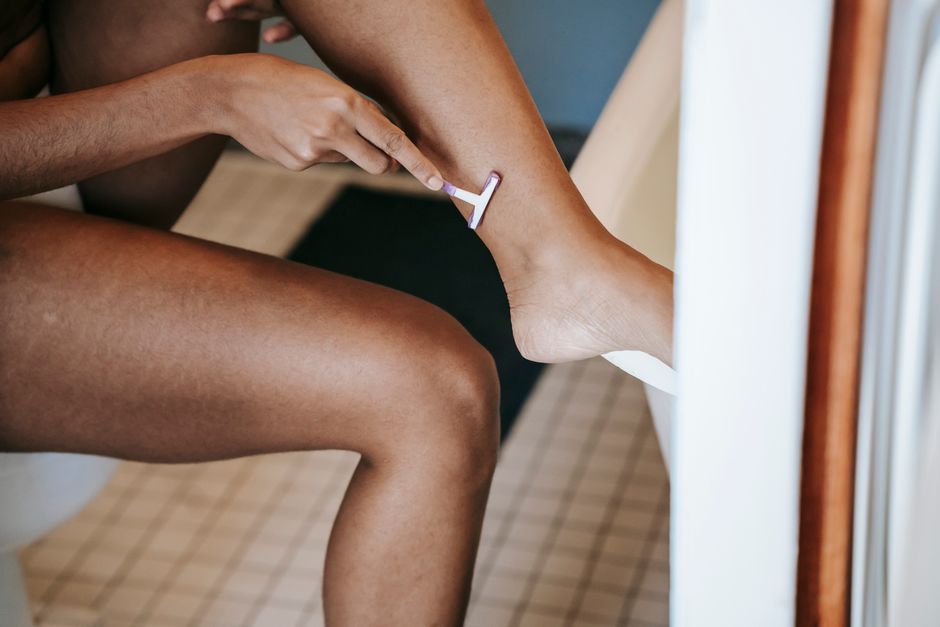
Shaving redness happens because a razor blade removes the top layer of skin cells along with the hair, and that triggers a mild inflammatory response. The good news is that most shaving redness fades within 30 minutes to a few hours if you handle it correctly. To get rid of redness from shaving quickly, apply a cold compress immediately, then use a gentle moisturizer with soothing ingredients like aloe vera or allantoin, and avoid any products with alcohol or fragrance until the skin calms down.
What Causes Redness After Shaving?
Redness after shaving is not one single condition. It is usually a combination of mechanical irritation and inflammation. When the blade drags across the skin, it creates micro-tears in the outermost layer. These tiny wounds trigger the body’s inflammatory response, which sends extra blood to the area. That extra blood flow is what makes the skin look red.
Several factors make this worse. A dull blade requires more pressure, which means more friction and more damage. Shaving against the grain lifts the hair but also increases the chance of cutting the skin. Dry shaving without any lubrication removes the protective barrier and increases irritation significantly.
For some people, the redness is not just irritation. It may be razor burn, which is a more intense inflammatory reaction. Or it may be folliculitis, which is an infection of the hair follicles. Razor burn feels hot and tender. Folliculitis often involves small red bumps that may contain pus. If you see pus or if the redness spreads after 24 hours, that points toward infection rather than simple irritation.
How To Get Rid Of Redness From Shaving Quickly
The fastest way to reduce shaving redness is to cool the skin down immediately. Cold constricts blood vessels, which reduces the amount of blood flowing to the irritated area. Apply a clean cloth soaked in cold water to your face or legs for five to ten minutes. Do not use ice directly on the skin — that can cause frostbite and make the damage worse.
After cooling, apply a thin layer of a gentle moisturizer. Look for products containing aloe vera, which has documented anti-inflammatory properties, or allantoin, which is a compound that promotes skin healing. Avoid moisturizers with alcohol, menthol, or fragrance. These ingredients feel cooling at first but they dry out the skin and can prolong the redness.
If the redness is severe or painful, an over-the-counter hydrocortisone cream at 1% strength can help. Hydrocortisone reduces inflammation by suppressing the immune response in the skin. Use it only for a day or two — prolonged use of topical steroids can thin the skin and cause other problems.
Do not apply more shaving cream, aftershave with alcohol, or any exfoliating product to red skin. These will irritate the area further. Let the skin rest for at least 12 hours before your next shave.
Does Cold Water or Warm Water Work Better?
Cold water works better for reducing redness. Warm water opens blood vessels, which increases blood flow to the skin and makes redness more visible. Cold water does the opposite — it constricts blood vessels and reduces the appearance of redness.
However, warm water has a role in the shaving process itself. Warm water softens the hair and opens the pores, which makes the shave smoother and reduces the chance of irritation in the first place. The strategy is to use warm water during the shave and cold water after the shave. This two-step approach addresses both prevention and treatment.
Some people use ice rollers or frozen gel masks after shaving. These work on the same principle as a cold compress but deliver more consistent cooling. There is no strong clinical evidence that they work better than a simple cold cloth, but they are not harmful if used correctly.





Which Aftershave Products Actually Help?
Traditional alcohol-based aftershaves do not help redness. Alcohol is a drying agent and a strong irritant. It may kill bacteria, but it also strips the skin of its natural oils and triggers more inflammation. If your aftershave stings when you apply it, that sting is a sign of tissue damage, not proof that it is working.
Look for alcohol-free aftershave balms instead. These products are formulated to soothe rather than sanitize. Ingredients with documented skin-soothing effects include aloe vera, chamomile extract, green tea extract, and oat extract. Witch hazel is a common ingredient in many aftershave products, but it is also an astringent that can dry the skin. Use it sparingly if at all.
Products containing niacinamide may also help. Niacinamide, a form of vitamin B3, has anti-inflammatory properties and is well tolerated by most skin types. Some dermatologists recommend it for post-shave redness, though the evidence base is modest.
If you have sensitive skin, keep your post-shave routine simple. One soothing product is better than layering multiple products. Each additional product adds another potential irritant.
How To Prevent Redness Before You Shave
Prevention is more effective than treatment. The single most important step is to use a sharp blade. A fresh blade cuts hair cleanly with minimal pressure. A dull blade drags, pulls, and damages the skin. Replace your blade or cartridge after every five to seven shaves, depending on how coarse your hair is.
Shave at the end of a warm shower. The steam and warm water soften the hair and open the pores, which reduces the amount of force the blade needs. Use a shaving cream or gel that creates a thick, slick barrier between the blade and your skin. Foam from a can is better than nothing, but a brush and cream typically provide more lubrication.
Shave with the grain of your hair, not against it. Shaving against the grain gives a closer shave, but it significantly increases irritation. If you want a closer shave, shave with the grain first, then reapply cream and shave across the grain. This two-pass method gives a smooth result with less damage than a single against-the-grain pass.
Rinse the blade after every stroke. Hair and shaving cream build up on the blade, which makes it less effective and increases friction. A quick rinse under running water keeps the blade clean and sharp.
When Redness Is Something More Serious
Most shaving redness resolves on its own within a few hours. But not all post-shave redness is benign. If the redness lasts more than two days, spreads beyond the shaved area, or becomes painful, it may be an infection. Folliculitis, which is an infection of the hair follicles, often requires treatment with an antibacterial wash or, in more serious cases, a prescription antibiotic.
Pseudofolliculitis barbae, commonly called razor bumps, is a condition where shaved hairs curl back into the skin and cause inflammation. It is more common in people with curly hair. Razor bumps look like small, dark bumps and can be mistaken for acne. The treatment is different from simple redness — it involves stopping shaving for a few weeks, using warm compresses, and sometimes applying prescription creams.
If you develop a fever, chills, or red streaks extending from the shaved area, seek medical attention immediately. These are signs of a spreading infection that requires prompt treatment.
People with certain skin conditions, such as eczema or psoriasis, may have more severe reactions to shaving. If you have a diagnosed skin condition and shaving consistently causes significant redness or pain, talk to a dermatologist. They may recommend an alternative hair removal method such as electric razors, depilatory creams, or laser hair removal.
Does Shaving Method Change the Outcome?
Yes. The type of razor and the technique matter more than most people realize. Multi-blade razors pull the hair up slightly before cutting it, which allows the hair to retract below the skin surface. This gives a closer shave but increases the risk of ingrown hairs and irritation.
Single-blade razors, including safety razors and straight razors, cut the hair at the skin surface without pulling. They require more skill and a slower technique, but they generally cause less irritation for people with sensitive skin.
Electric razors do not cut as close as blade razors, but they cause significantly less skin damage. If you have chronic shaving redness, switching to an electric razor may solve the problem entirely. The trade-off is that the shave is not as close, and you may need to shave more frequently.
Depilatory creams dissolve hair using chemicals such as calcium thioglycolate. They eliminate razor friction entirely, but they can cause chemical burns if left on too long. Always do a patch test on a small area of skin before using a depilatory cream on your face or other sensitive areas.
Frequently Asked Questions
How long does shaving redness usually last?
Mild shaving redness typically fades within 30 minutes to a few hours. If redness lasts longer than two days or worsens, it may indicate an infection or a condition like razor bumps that needs different treatment.
Can I shave again the same day to fix uneven shaving?
No, shaving again the same day will increase irritation and make redness worse. Wait at least 12 hours, and ideally 24 hours, before shaving the same area again.
Is it better to use an alum block or witch hazel for redness?
Alum blocks are astringent and can dry the skin, which may worsen redness in the long run. Witch hazel is also an astringent. A plain moisturizer with aloe vera is a safer choice for reducing redness.
Does aspirin paste help reduce shaving redness?
Aspirin paste is sometimes used as a home remedy because aspirin has anti-inflammatory properties, but it can cause chemical burns and allergic reactions on the skin. There is no clinical evidence supporting this as a safe treatment, so it is best avoided.
