
Leg soreness can stop you in your tracks. Whether it hit you after a hard workout, a long day on your feet, or just waking up stiff, you want relief now. The fastest way to ease sore legs is to keep them moving gently, apply heat or cold strategically, and focus on hydration. Light activity increases blood flow, which helps clear the byproducts of muscle fatigue and speeds up the repair process. The worst thing you can do is sit completely still, but you also should not push through sharp pain.
What Actually Causes Leg Soreness?
Most leg soreness falls into one of two categories. The first is delayed onset muscle soreness, often called DOMS. This typically peaks 24 to 72 hours after exercise. It happens when muscle fibers sustain microscopic tears during unfamiliar or intense activity. The body responds with mild inflammation, and that inflammation is what you feel as soreness.
The second type is acute soreness. This is the burning or heavy feeling you get during exercise itself. It comes from a buildup of metabolic byproducts like hydrogen ions and inorganic phosphate. That feeling usually fades within minutes of stopping the activity.
Knowing which type you have matters. Acute soreness resolves on its own quickly. DOMS takes longer and responds best to active recovery. If your soreness came on suddenly without exercise and is accompanied by swelling or redness, that is different. That could signal an injury or a circulation problem, and it warrants medical attention rather than home treatment.
How To Get Soreness Out Of Your Legs Quickly
Active recovery is the most reliable method for speeding up relief. This means doing low-intensity movement that keeps blood circulating without further taxing the muscles. A 10 to 15 minute walk, gentle cycling on a flat road, or swimming at an easy pace all work well. The goal is to increase circulation, not to break a sweat.
Research consistently shows that active recovery reduces perceived soreness more effectively than complete rest. It does not necessarily speed up muscle repair at the cellular level, but it does reduce the sensation of pain. That matters because less pain means you can move more normally, and normal movement supports recovery.
Aim for light activity every few hours during the day after intense exercise. If your legs feel heavy, that is normal. If you feel a sharp, stabbing sensation, stop. Soreness should feel like a dull ache. Sharp pain suggests something structural, not just muscle fatigue.
Heat or Cold: Which One Works Faster?
Both heat and cold have roles, but they do different things. Cold therapy, like an ice pack or cold bath, reduces inflammation and numbs the area. It is most useful in the first 24 hours after a workout if you have significant swelling. Apply cold for 15 to 20 minutes at a time, always with a cloth barrier between the ice and your skin.
Heat is better for muscle stiffness and the feeling of tightness. A warm bath, heating pad, or warm compress encourages blood vessel dilation. More blood flow means more oxygen and nutrients reach the muscle tissue. This helps with the sensation of stiffness and can make movement feel easier.
Some research suggests that contrast therapy — alternating heat and cold — provides temporary pain relief. There is no strong evidence that it speeds up recovery itself, but many athletes report it feels good. If you try it, alternate about one minute of cold with two to three minutes of heat for several cycles.
Do not use heat if the area is swollen or if you have a fresh injury. Heat increases blood flow, which can worsen inflammation. Cold is the safer choice for acute swelling.



Does Stretching Actually Help?
Stretching feels intuitive when your legs are sore, but the evidence is mixed. Static stretching — holding a position for 30 seconds or more — does not consistently reduce DOMS in studies. It can provide temporary relief by relaxing tense muscles, but that relief typically does not last.
Gentle dynamic stretching is a better option. Leg swings, walking lunges without weights, and hip circles keep joints mobile without straining already fatigued muscles. The movement, not the stretch itself, is what helps.
Foam rolling falls into a similar category. Rolling a sore muscle can feel uncomfortable in the moment but often provides short-term relief afterward. Some studies indicate foam rolling reduces perceived soreness in the 24 to 48 hours following exercise. It does not appear to change muscle damage at the cellular level, but the pain relief is real for many people.
Hydration and Nutrition: What the Evidence Shows
Dehydration makes muscle soreness worse. When muscle cells lack adequate water, they cannot clear metabolic waste as efficiently. There is no established threshold for how much extra water you need after a workout, but drinking enough to keep urine pale yellow is a reasonable general guide.
Electrolytes matter too. Sodium, potassium, and magnesium play roles in muscle contraction and relaxation. A deficiency in any of these can contribute to cramping, though cramping is different from general soreness. Sports drinks help if you exercised heavily and sweated a lot. For everyday soreness, plain water and a normal diet are usually sufficient.
Protein intake supports muscle repair. Consuming protein within a few hours after exercise gives the body the building blocks it needs to rebuild damaged fibers. The total daily amount matters more than precise timing. Most active adults need roughly 1.2 to 2.0 grams of protein per kilogram of body weight per day, depending on training intensity.
Anti-inflammatory foods like tart cherries, fatty fish, and colorful vegetables have shown some benefit in reducing soreness in studies. The effects are modest. A balanced diet is more reliable than any single food.
Over-the-Counter Options and Massage
Nonsteroidal anti-inflammatory drugs like ibuprofen and naproxen can reduce soreness. They work by blocking the production of prostaglandins, which drive inflammation. They are effective for symptom relief but do not speed up muscle recovery. Some research even suggests they may slightly interfere with the muscle adaptation process. Use them occasionally for comfort, not as a routine post-workout habit.
Acetaminophen is another option. It relieves pain but does not reduce inflammation. For soreness that is more annoying than painful, it can be gentler on the stomach than NSAIDs.
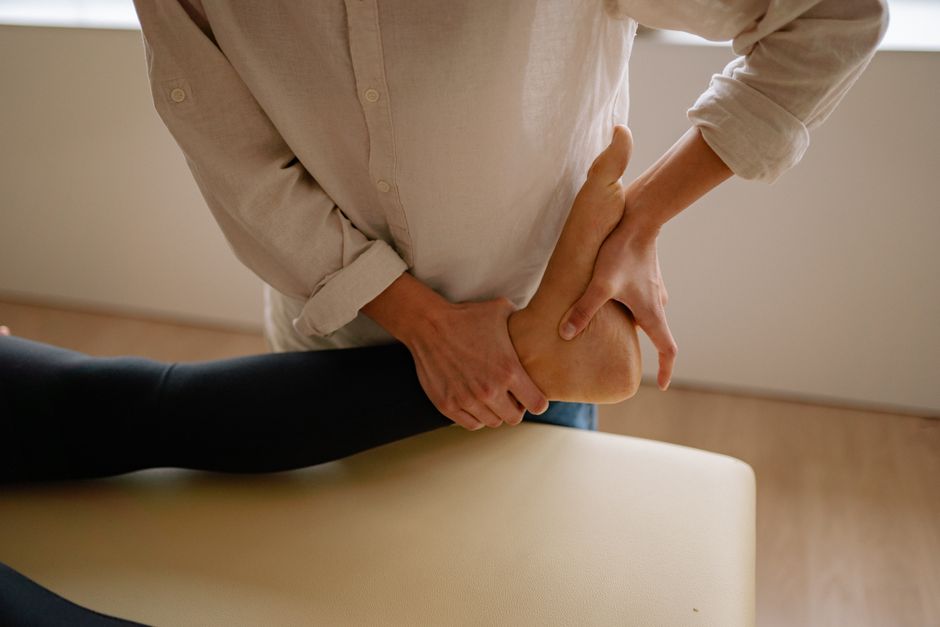
Massage is one of the better-supported recovery methods. A 2012 study published in the Journal of Athletic Training found that massage performed two hours after exercise reduced soreness by about 30 percent compared to no treatment. The effect was short-lived, but the immediate relief was significant. If you have access to a massage therapist or a willing partner, this is a good option for fast relief.
When To Stop Treating It Yourself
Most leg soreness resolves within three to five days. If soreness lasts longer than a week, that is a sign something else may be going on. Persistent soreness could indicate an overuse injury, a muscle strain, or even a more serious condition like a blood clot.
Seek medical attention if you notice any of the following:
- Swelling in one leg only
- Redness or warmth in the affected area
- Pain that worsens with rest instead of improving
- Shortness of breath or chest pain alongside leg pain
- Inability to bear weight on the leg
These symptoms can indicate deep vein thrombosis, a muscle tear, or another condition that requires professional evaluation. Do not try to massage or apply heat to a leg that is swollen and red. That combination can be dangerous.
Preventing Soreness Before It Starts
The best treatment for soreness is prevention. Progressively increasing exercise intensity gives muscles time to adapt. A sudden jump in workout volume is the most common cause of severe DOMS.
Warming up properly before exercise prepares muscles for work. A five to ten minute warm-up that includes light cardio and dynamic movement raises muscle temperature and improves blood flow. This does not eliminate soreness, but it can reduce its severity.
Cooling down after exercise is less supported by evidence. Some studies show no benefit, while others show modest reductions in soreness. A light cool-down walk is unlikely to hurt and may help you transition out of exercise mode more comfortably.
Frequently Asked Questions
How long does leg soreness normally last?
Most muscle soreness peaks 24 to 72 hours after exercise and resolves within three to five days. If soreness lasts longer than a week, consult a healthcare provider.
Is it better to rest or walk with sore legs?
Light walking is generally better than complete rest because it increases blood flow and reduces the sensation of soreness. Avoid intense exercise on sore legs until the pain subsides.
Can I work out again if my legs are still sore?
You can do light activity, but avoid training the same muscle groups at high intensity until soreness fades. Working through severe soreness increases the risk of injury.
Does a warm bath help sore legs?
A warm bath can temporarily reduce stiffness and make movement feel easier. It does not speed up muscle repair, but it provides effective short-term relief.
