
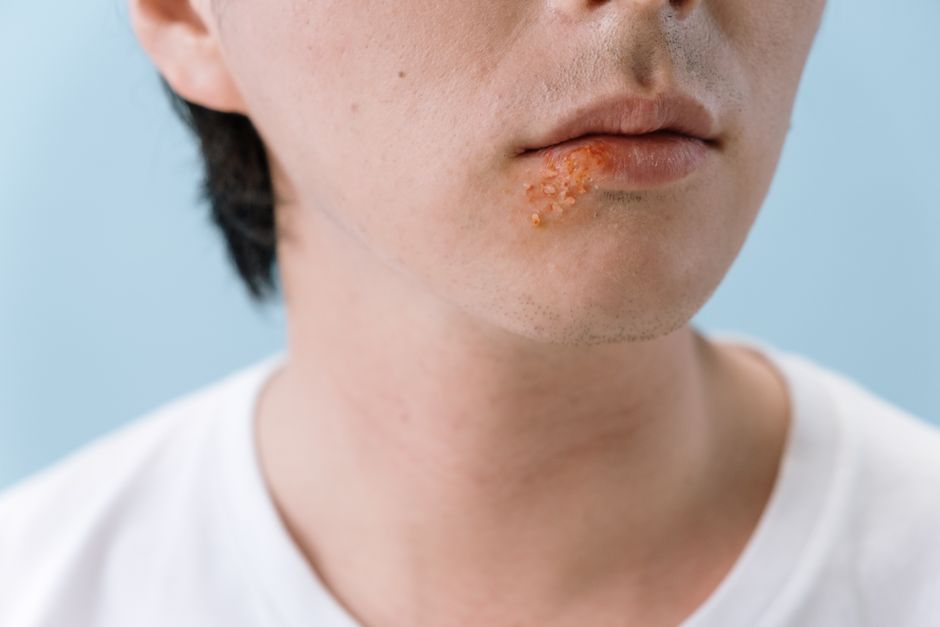
Cold sores are frustrating, painful, and always seem to show up at the worst possible time. If you are looking for how to get rid of a cold sore quickly, the honest answer is that antiviral medications work best, especially when started within the first 48 hours of symptoms. Over-the-counter creams and home remedies can help with comfort, but they are not a cure. The fastest way to shorten an outbreak is prescription antiviral treatment, but timing matters more than anything else.
What Actually Causes a Cold Sore?
Cold sores are caused by the herpes simplex virus, usually type 1 (HSV-1). Most adults carry this virus, often after catching it in childhood. Once you have the virus, it stays in your body for life, hiding in nerve cells near your face.
The virus does not cause sores all the time. It reactivates under certain conditions. Common triggers include stress, illness, fatigue, sun exposure, and hormonal changes. When the virus reactivates, it travels down the nerve to the skin surface and creates the familiar blister.
Understanding this cycle matters because it explains why treatment works best early. The virus is actively multiplying during the first day or two. Stopping that replication early shortens the outbreak. Waiting until the blister is fully formed means the damage is already done.
How To Get Rid Of A Cold Sore Quickly What Works?
Prescription antiviral drugs are the only treatments proven to speed up healing. Three medications are commonly used: acyclovir, valacyclovir, and famciclovir. These come as pills you swallow, and they work by blocking the virus from copying itself.
Valacyclovir is often preferred because it requires fewer doses. A typical course is two pills on the first day and then two more twelve hours later. This short course can stop the sore from fully developing if started early enough.
Topical prescription creams containing acyclovir or penciclovir also work, but they are less effective than oral medication. They only treat the surface where they are applied. Oral drugs reach the virus where it is actively replicating.
For the fastest results, you need a prescription. That means seeing a doctor or using a telehealth service. Many people delay treatment because they wait to see if the sore is really a cold sore. That delay costs precious time.
The window for the best outcome is the prodrome phase — the tingling, itching, or burning sensation that appears before the blister. If you have had cold sores before, you likely recognize this feeling. That is the moment to start treatment.
What About Over-the-Counter Options?
Over-the-counter creams like docosanol (Abreva) are widely available. Docosanol works by preventing the virus from fusing with cell membranes, which slows viral entry into cells. Some research suggests it can shorten healing time by about half a day to a day when applied early.
That is modest compared to oral antivirals, which can shorten an outbreak by one to two days or more. But docosanol has an advantage: it is available without a prescription. If you cannot see a doctor quickly, starting docosanol at the first tingle is better than doing nothing.
Other OTC creams contain ingredients like benzocaine or lidocaine for pain relief. These do not fight the virus. They numb the area and make eating, talking, and smiling more comfortable. They are worth using for symptom relief, but they will not make the sore go away faster.
Cold sore patches and hydrocolloid bandages can cover the sore, hide it, and prevent picking. Keeping the area clean and moisturized may help the skin heal more smoothly. But again, these are comfort measures, not treatments that shorten the outbreak.





Do Home Remedies Actually Work?
Home remedies are popular, but the evidence is thin. Lysine supplements are one of the most common. Some studies suggest lysine may reduce outbreak frequency when taken daily, but results are mixed. No strong clinical evidence confirms that taking lysine during an outbreak speeds healing.
Lemon balm cream (melissa officinalis) has some research behind it. A few small studies suggest it may speed healing and prevent recurrence. The effect is modest, and the studies are not large or recent. It may be worth trying, but it is not a proven fast cure.
Tea tree oil, aloe vera, and honey are often mentioned online. Some lab studies show antiviral activity against HSV-1. That does not mean they work in real life on human skin. No large human trials have confirmed these treatments shorten outbreaks.
Ice or cold compresses can reduce pain and swelling temporarily. Some people find that applying ice at the first tingle prevents the sore from fully forming. There is no solid evidence for this, but it is harmless and may help with comfort.
Be cautious with anything you put on an open sore. Essential oils are concentrated and can irritate broken skin. Irritation can make the sore worse or slow healing. If you try a home remedy and it stings or burns more than expected, stop using it.
What Makes a Cold Sore Worse?
Picking at a cold sore is the worst thing you can do. It spreads the virus to other parts of your face, including your eyes. It also opens the skin to bacterial infection, which can leave scars and extend healing time.
Sharing cups, utensils, towels, or lip balm during an outbreak spreads the virus to others. The virus is highly contagious from the first tingle until the sore is completely healed and the scab has fallen off. Even people without visible sores can shed the virus, but the risk is highest during an active outbreak.
Sun exposure can trigger outbreaks in some people. Using lip balm with SPF 30 or higher daily may reduce the frequency of sun-triggered cold sores. This is a prevention strategy, not a treatment for an existing sore.
Stress is a well-known trigger. Managing stress through sleep, exercise, or relaxation techniques may reduce how often you get outbreaks. It will not stop an outbreak that has already started.
When Should You See a Doctor?
Most cold sores clear on their own within 7 to 10 days without treatment. With oral antivirals started early, healing can take 4 to 5 days. But some situations require medical attention.
See a doctor if the sore does not heal within two weeks. This can signal a different condition, like a bacterial infection or another skin issue. Cold sores that spread to other parts of the body, especially the eyes, need urgent care. HSV in the eye can cause corneal scarring and vision loss.
People with weakened immune systems — from chemotherapy, organ transplants, or conditions like HIV — should seek treatment early. Their outbreaks can be more severe and longer-lasting. Pregnant women who get a first-time HSV infection late in pregnancy should also consult their obstetrician.
Frequent outbreaks, defined as six or more per year, may warrant daily suppressive therapy. A doctor can prescribe a low-dose antiviral taken every day to prevent outbreaks. This is a common and well-established approach for people with frequent recurrences.
Can You Prevent Cold Sores?
You cannot eliminate the virus from your body. No treatment currently cures HSV-1. But you can reduce how often outbreaks happen and how severe they are.
Knowing your triggers is the most practical prevention. If sun exposure brings on sores, use SPF lip balm daily. If stress is your trigger, prioritize sleep and stress management. If you notice a pattern with illness or fatigue, be extra careful about early treatment during those times.
Daily suppressive therapy is an option for people with frequent outbreaks. It reduces outbreak frequency by 70 to 80 percent in people who take it consistently. It also reduces viral shedding, which lowers the risk of transmitting the virus to others.
It is worth noting that having a cold sore does not mean you are unclean or unhealthy. The majority of the adult population carries HSV-1. Outbreaks are a normal part of living with a very common virus.
Frequently Asked Questions
Can you get rid of a cold sore in 24 hours?
No treatment can fully eliminate a cold sore in 24 hours once the blister has appeared. Starting prescription antiviral medication during the tingling phase can prevent the sore from fully forming in some cases.
Is Abreva or prescription medication faster?
Prescription oral antivirals like valacyclovir are faster and more effective than Abreva. Abreva may shorten healing by about half a day, while oral antivirals can shorten it by one to two days or more.
Does toothpaste get rid of cold sores?
No. There is no evidence that toothpaste kills the herpes virus or speeds healing. Applying toothpaste to a cold sore can irritate the skin and make the area worse.
Can you pop a cold sore blister?
Never pop a cold sore blister. The fluid inside contains live virus that can spread to other areas of your face and to other people. Popping also increases the risk of bacterial infection and scarring.
