
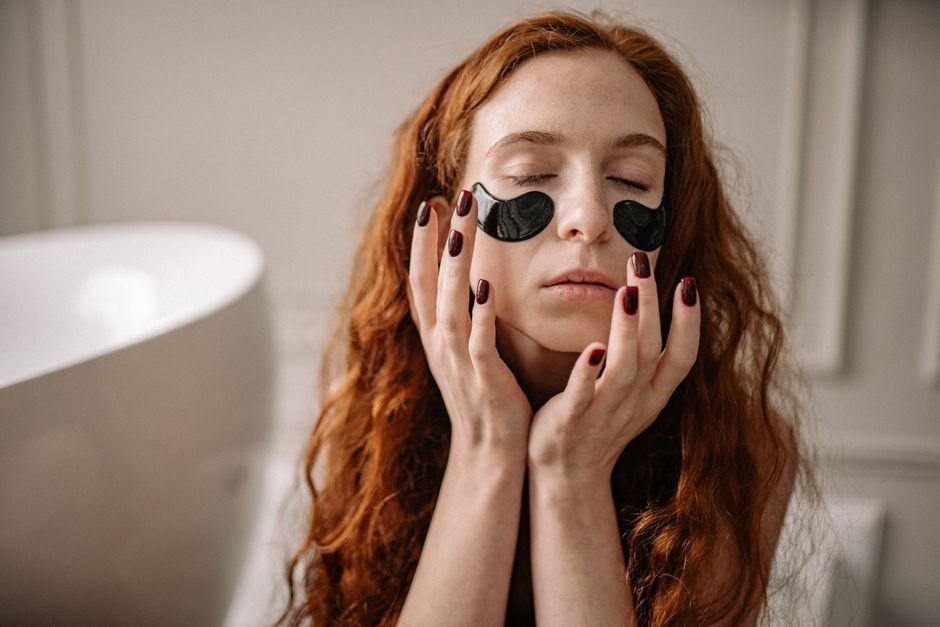
Under-eye puffiness is mostly fluid buildup and weakened skin structure, not fat. You can reduce it at home by applying cold compresses, sleeping with your head elevated, and cutting back on salt. These methods work by constricting blood vessels and draining excess fluid. No cream or gadget will permanently fix puffy eyes if you ignore sleep, diet, and allergies.
What Actually Causes Puffy Under-Eyes?
Puffiness happens when fluid gathers in the thin skin under your eyes. This area has almost no fat to absorb the fluid, so it shows quickly. The medical term is periorbital edema.
Several things cause this fluid buildup. Eating a high-salt meal makes your body hold onto water. Crying inflames the tissue. Allergies release histamine, which dilates blood vessels and leaks fluid. Sleeping flat lets gravity pool fluid in your face. Aging weakens the membrane that normally holds fluid back.
The American Academy of Ophthalmology explains that most under-eye puffiness is temporary. It is not a sign of serious disease in healthy adults. But if one eye is swollen more than the other, or if puffiness comes with pain or redness, see a doctor.
Does Cold Actually Work for Puffy Eyes?
Yes, cold is one of the few remedies with real evidence behind it. Cold constricts blood vessels. That reduces the fluid leaking into the tissue. It also numbs the area, which helps if your eyes feel tired.
A 2014 study in the Journal of Cosmetic Dermatology tested cold metal rollers on under-eye bags. They found a measurable reduction in puffiness after 30 seconds of use. The effect lasted about an hour. This is not a cure. It is a quick fix for morning puffiness.
Do not use ice directly on your skin. It can damage the thin under-eye tissue. Wrap ice in a clean cloth or use chilled spoons, cucumber slices, or a gel mask stored in the fridge. Apply for 5 to 10 minutes. Longer than that can cause rebound swelling when the tissue warms up.
How Do I Get Rid Of Puffy Under Eyes At Home with Better Sleep Habits?
Sleep position matters more than most people realize. When you sleep flat on your back, fluid from your whole body can settle in your face. After eight hours, that fluid makes your eyes look puffy in the morning.
Sleeping with your head slightly elevated helps gravity drain fluid away from your face. Use an extra pillow or elevate the head of your bed by 2 to 4 inches. A wedge pillow works well for this.
Getting enough sleep also matters. The National Sleep Foundation reports that adults need 7 to 9 hours per night. Chronic sleep deprivation increases cortisol, a stress hormone that can thin skin and make under-eye bags more noticeable. But oversleeping can cause puffiness too. The sweet spot is consistent, adequate sleep without extremes.
One non-obvious detail: alcohol before bed makes puffiness worse. Alcohol dehydrates you, which makes your body retain water the next day. If you drink, have water before sleeping.





What About Caffeine and Other Topical Ingredients?
Caffeine is the most studied ingredient in under-eye creams. It constricts blood vessels and has a mild diuretic effect on skin cells. Research in the International Journal of Cosmetic Science found that caffeine applied to the skin reduced fluid buildup in test subjects.
But there is a catch. Caffeine works only while it is on your skin. Once it absorbs or washes off, the effect fades. You would need to apply it daily for a temporary reduction. It will not change the underlying structure of your skin.
Other common ingredients include hyaluronic acid, which hydrates skin and makes fine lines less visible. Vitamin K is sometimes added because it helps with blood clotting, but there is little evidence it reduces puffiness. Retinol can thicken skin over months, which may make bags less noticeable, but it also irritates some people.
Here is a quick comparison of common topical ingredients:
| Ingredient | What It Does | Evidence Level |
|---|---|---|
| Caffeine | Constricts vessels, reduces fluid | Moderate — short-term effect |
| Hyaluronic acid | Hydrates, plumps skin | Strong for hydration, not puffiness |
| Vitamin K | May help bruising | Weak for puffiness |
| Retinol | Thickens skin over time | Moderate — takes months |
| Peptides | Support collagen | Weak for direct puffiness |
No cream will permanently erase under-eye bags. If a product claims to do that, it is overhyped. Real change requires addressing the cause, not just the symptom.
How Do Allergies and Diet Affect Puffy Eyes?
Allergies are a common cause of puffy eyes that people overlook. When you encounter an allergen, your body releases histamine. Histamine makes small blood vessels leak fluid into surrounding tissue. That fluid shows up as puffiness under your eyes.
The American College of Allergy, Asthma & Immunology notes that eye puffiness is a classic symptom of allergic rhinitis. Antihistamines can reduce this. Over-the-counter options like loratadine or cetirizine work for many people. Eye drops with antihistamine can also help directly.
If your eyes are puffy mostly during certain seasons or after being around pets, allergies are likely the cause. Try an antihistamine for a week and see if the puffiness decreases. If it does, you have your answer.
Diet matters too. High sodium intake makes your body retain water. The American Heart Association recommends no more than 2,300 mg of sodium per day, and ideally under 1,500 mg. A single fast-food meal can contain more than that. Cutting back on processed foods, canned soups, and salty snacks can reduce morning puffiness within a few days.
Alcohol and caffeine both affect hydration. Alcohol is a diuretic that dehydrates you, causing your body to hold water later. Caffeine is also a mild diuretic, but in normal amounts, it does not cause dehydration. The key is balance. Drink water throughout the day.
What Home Remedies Should You Avoid?
Some viral home remedies do more harm than good. Witch hazel is often recommended for puffiness, but it is an astringent that can dry out the thin skin under your eyes. Dry skin looks more wrinkled and can make bags more noticeable.
Tea bags are another popular remedy. The caffeine and antioxidants in tea may help, but tea bags are not sterile. They can introduce bacteria to your eye area. If you try this, use fresh bags and only leave them on for a few minutes.
Toothpaste is a bad idea. It contains ingredients like baking soda and alcohol that irritate skin. Putting toothpaste under your eyes can cause redness, peeling, and even chemical burns.
Avoid rubbing your eyes. It breaks small blood vessels and can cause dark circles and more puffiness. If your eyes itch, use a cold compress or allergy drops instead.
Do not use harsh scrubs or exfoliants near your eyes. The skin there is the thinnest on your body. It has less oil and collagen than other areas. Damaging it makes puffiness and wrinkles worse over time.
Common Misconceptions About Under-Eye Puffiness
A big myth is that under-eye bags are caused by too much fat. In most cases, it is fluid. True fat herniation does happen, especially with aging, but it is less common than people think. Puffiness that goes down during the day is fluid. Puffiness that stays constant may be fat.
Another myth is that drinking more water flushes out puffiness. Hydration helps overall health, but drinking extra water does not directly reduce under-eye bags. In fact, drinking too much water too fast can cause temporary fluid retention.
Some people believe that expensive eye creams work better than drugstore options. The evidence does not support this. A 2019 review in the Journal of Drugs in Dermatology found that ingredient concentration matters more than brand price. A $10 cream with caffeine may work as well as a $100 cream with the same amount of caffeine.
Finally, many people think puffy eyes are permanent. They are not. Most cases are temporary and respond to simple changes in sleep, diet, and allergy management. If puffiness persists for weeks despite these changes, see a dermatologist or an ophthalmologist.
Frequently Asked Questions
How long does it take for cold compresses to reduce puffy eyes?
Cold compresses work within 5 to 10 minutes and the effect lasts about an hour.
Can lack of sleep cause permanent under-eye puffiness?
No, lack of sleep causes temporary puffiness that goes away with rest, but chronic sleep loss can thin skin over time.
Does cucumber really help puffy eyes or is it a myth?
Cucumber helps because it is cold and contains water, but any cold object works the same way.
When should I see a doctor for puffy eyes?
See a doctor if one eye is much puffier than the other, if there is pain or redness, or if puffiness lasts more than two weeks.
