
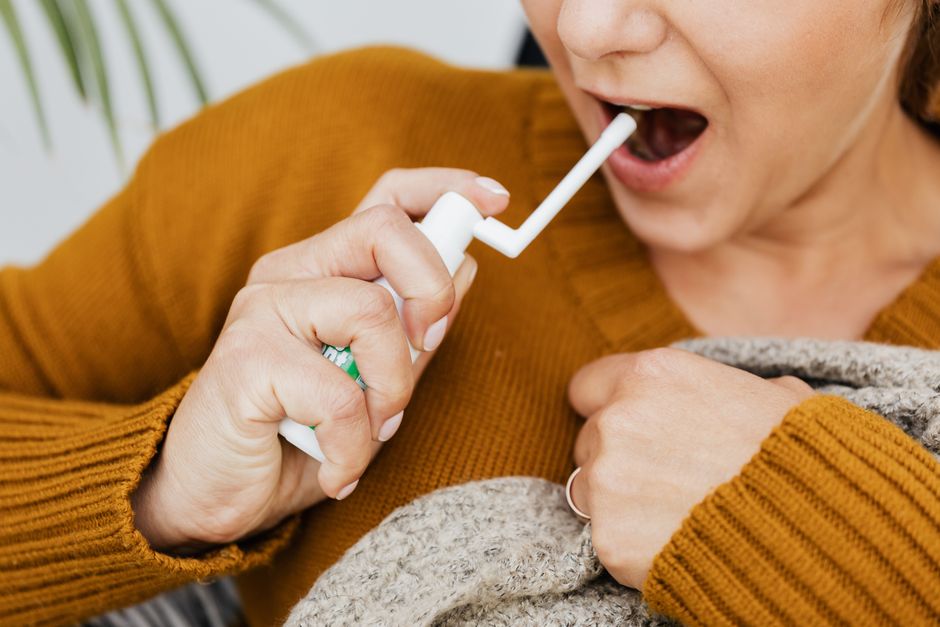
Throat phlegm is one of those annoyances that can make you clear your throat every few minutes. The good news is that most cases are temporary and very treatable at home. The most direct way to get rid of phlegm is to thin it out with fluids and remove the irritant causing it, whether that is an infection, allergies, or dry air. Hydration, warm salt water gargles, and steam are the first-line tools that work for most people.
What Causes Phlegm to Build Up in Your Throat?
Phlegm is not the enemy. It is a protective substance produced by the mucous membranes in your airways. It traps dust, bacteria, and viruses before they reach your lungs. When your body detects an irritant, it produces extra mucus to flush it out.
The most common triggers are viral infections like the common cold, allergies, and acid reflux. Smoking and dry indoor air also dry out the mucus, making it thick and sticky. When mucus thickens, it pools in the throat instead of draining smoothly down the back of your nose and throat.
Post-nasal drip is another frequent cause. Your nose produces excess mucus that drips down the back of your throat, collecting there and triggering the urge to clear your throat repeatedly. This often happens with allergies, sinus infections, or even spicy foods.
Does Drinking More Water Actually Help Thin Phlegm?
Yes. Hydration is the single most effective way to thin out thick mucus. When you are dehydrated, your body pulls water from mucus to maintain other functions, leaving the phlegm thicker and harder to move.
Water is the best choice. Warm liquids like tea or broth work just as well and add the benefit of steam. There is no magic amount that works for everyone, but the general guidance is to drink enough that your urine stays pale yellow. If you are already well-hydrated, drinking more water will not produce dramatically faster results, but it will keep mucus from getting thicker.
Caffeine and alcohol can dehydrate you, so they are not ideal when you are trying to clear phlegm. If you do drink them, balance them with extra water.
How To Get Rid Of Phlegm In The Throat With Steam and Humidity
Steam adds moisture directly to your airways. This helps loosen thick mucus so it can drain more easily. A hot shower works well. Run the water as hot as you can tolerate, close the bathroom door, and breathe in the steam for 10 to 15 minutes.
A bowl of hot water with a towel over your head is another option. Lean over the bowl and breathe deeply. Be careful with hot water to avoid burns. Do not do this with young children.
A cool-mist humidifier in your bedroom can help overnight, especially in winter when indoor heating dries out the air. Keeping the humidity level in your home around 40 to 60 percent can prevent mucus from drying out and becoming sticky.
Saline nasal sprays or rinses also add moisture directly to the nasal passages. This is especially helpful for post-nasal drip, as it thins the mucus at the source before it reaches your throat.





Salt Water Gargles: Do They Really Break Up Phlegm?
Salt water gargles do not break up phlegm chemically, but they do help. The salt draws water out of the tissues in your throat, which can thin the mucus slightly. More importantly, gargling soothes an irritated throat and helps wash away loose mucus and irritants.
Mix half a teaspoon of salt into a glass of warm water. Gargle for about 30 seconds and spit it out. You can repeat this every few hours as needed. Do not swallow the salt water, as the high salt content can upset your stomach.
This is a safe home remedy with no known risks for most people. If you have high blood pressure, the amount of salt you might accidentally swallow is minimal, but you can still use it and spit carefully.
Which Foods and Drinks Make Phlegm Worse or Better?
Some foods can reduce phlegm production or make it easier to clear. Spicy foods like chili peppers and horseradish can thin mucus and make your nose run, which helps drain the sinuses. This is why spicy soup is a common cold remedy across many cultures.
Honey is another option. Some research suggests honey can soothe an irritated throat and may have mild antibacterial properties. A spoonful of honey in warm tea or water is a reasonable addition. Do not give honey to children under one year old due to the risk of infant botulism.
Dairy products are often blamed for making phlegm worse. The evidence is mixed. Some studies suggest dairy does not increase mucus production, but it can make existing mucus feel thicker and harder to swallow. If you notice dairy makes your throat feel worse, it is reasonable to reduce it temporarily while you recover.
Cold foods like ice cream can soothe a sore throat but do not help thin mucus. They are fine in moderation but are not a treatment for phlegm.
When Over-the-Counter Medications Are Worth Trying
Expectorants like guaifenesin are designed to thin mucus and make it easier to cough up. They are found in many over-the-counter cough and cold products. The evidence supporting their effectiveness is modest, but some people find them helpful.
Mucolytics like acetylcysteine work differently. They break down the chemical structure of mucus, making it less sticky. These are available in some cough syrups and are more commonly used in prescription form for chronic lung conditions. Evidence for their benefit in simple throat phlegm is limited.
Decongestants can help if your phlegm is caused by a stuffy nose and post-nasal drip. They reduce swelling in nasal passages, which decreases mucus production. However, they do not thin mucus that is already there, and they can dry out your throat, making the phlegm you do have thicker.
Antihistamines are useful if allergies are the cause. They reduce the allergic response that triggers excess mucus. But they can also dry out mucus, so they are best used in combination with hydration and steam.
Always read the label and follow the dosing instructions. If you have high blood pressure or heart conditions, check with a pharmacist before taking decongestants, as they can raise blood pressure.
Is Clearing Your Throat Making It Worse?
Frequent throat clearing can actually worsen the problem. Forceful clearing irritates the vocal cords and throat tissues, which can cause them to swell. Swollen tissues produce more mucus, creating a cycle of more phlegm and more clearing.
Instead of clearing your throat forcefully, try a gentle swallow. Take a sip of water and swallow. This moves mucus down without the trauma of throat clearing. If you feel the urge to clear, try a small cough followed by a swallow instead of a full throat clear.
If you have chronic throat clearing that lasts for weeks, it is worth seeing a doctor. It can be a sign of laryngopharyngeal reflux, also called silent reflux, where stomach acid reaches your throat without causing heartburn. This requires different treatment than a typical cold or allergy.
When Should You See a Doctor About Phlegm?
Most phlegm clears up on its own within a week or two. See a doctor if you have phlegm that lasts longer than three weeks without improvement, or if you cough up blood. Difficulty breathing, chest pain, or a high fever are also reasons to seek medical attention.
Green or yellow phlegm does not always mean you need antibiotics. It can simply mean your immune system is fighting off an infection, which can be viral or bacterial. Antibiotics only work for bacterial infections, so your doctor will determine whether they are needed.
If you have a chronic condition like asthma, COPD, or cystic fibrosis, follow your existing care plan. New or worsening phlegm in these conditions should be discussed with your healthcare provider, as it can indicate a flare-up.
Can Lifestyle Changes Prevent Phlegm From Coming Back?
If you get phlegm frequently, the cause is often something you can address. Smoking and vaping are major irritants that increase mucus production. Quitting is the most effective step you can take for your respiratory health. Even reducing how much you smoke can help.
Managing allergies with antihistamines or avoiding known triggers can prevent post-nasal drip. If you have acid reflux, eating smaller meals, avoiding food within three hours of bedtime, and elevating the head of your bed can reduce nighttime reflux that causes morning phlegm.
Staying consistently hydrated is a simple daily habit that keeps mucus thin. Using a humidifier in dry climates or during winter months also helps. These are not dramatic interventions, but they address the root causes of recurring phlegm rather than just treating the symptom.
Frequently Asked Questions
Does drinking warm water break up phlegm faster than cold water?
Warm water is slightly better because the warmth can help loosen mucus and the steam adds moisture to your airways. Cold water still hydrates you, which is the main benefit, but it does not add the soothing warmth that can make mucus easier to clear.
Is it better to spit out phlegm or swallow it?
Swallowing phlegm is harmless. Your stomach acid will break it down and your body will process it normally. Spitting it out is also fine if it makes you more comfortable, but there is no medical reason to avoid swallowing it.
Can allergies cause phlegm that lasts for months?
Yes. Allergies can cause ongoing post-nasal drip that produces a constant feeling of phlegm in the throat. If your phlegm is seasonal or worse around specific triggers like pollen or dust, allergy treatment may resolve it.
Does eating bananas or chocolate make phlegm worse?
Some people report that dairy products and certain foods like chocolate make phlegm feel thicker, though research does not confirm they increase mucus production. If you notice a pattern with specific foods, reducing them temporarily is a reasonable experiment.
