
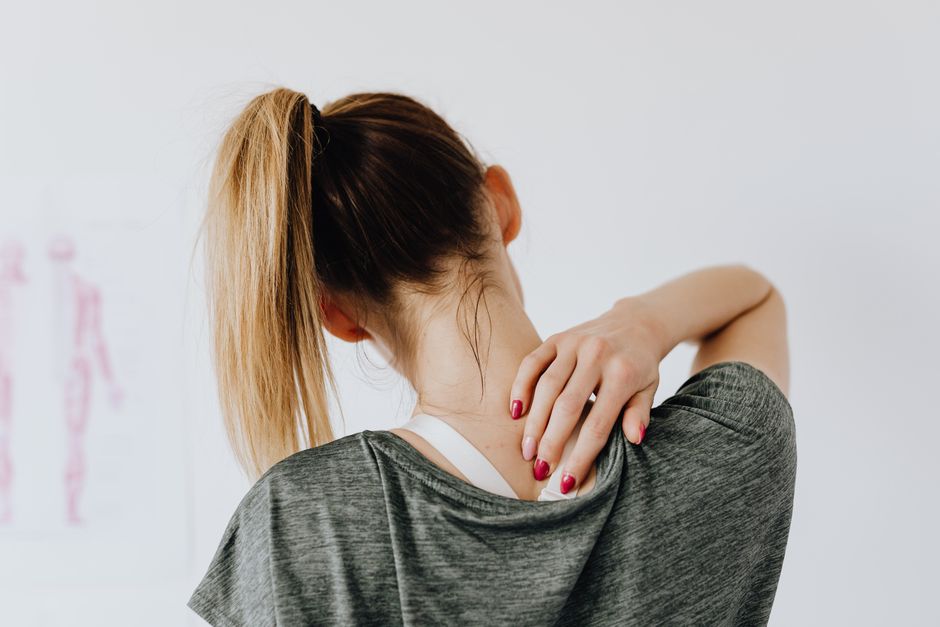
Old age aches and pains are common, but they are not something you have to simply accept. The most effective way to reduce them combines regular, low-impact movement, targeted strength training, and smart daily habits. While you cannot stop the clock, you can significantly reduce joint stiffness, muscle soreness, and chronic pain by addressing the underlying causes—mainly weakened muscles, poor flexibility, and inflammation.
Why Do We Ache More As We Age?
Muscle mass naturally declines with age. This process, called sarcopenia, begins around age 30 and accelerates after 60. Weaker muscles put more strain on joints. Less muscle also means less support for the spine and knees, which leads to pain.
Cartilage, the cushion between joints, also thins over time. It does not repair itself as quickly as it once did. The result is bone rubbing on bone in some cases, creating stiffness and discomfort. Reduced blood flow to tissues also slows recovery from minor strains, making everyday aches last longer.
This is a normal biological process. The pain is real, but it is not a sign that you should stop moving. In fact, the opposite is true.
What Is The Best Way To Get Rid Of Old Age Aches And Pains?
Movement is the single most effective tool. Regular physical activity strengthens the muscles that support your joints, improves circulation, and lubricates the joints by promoting synovial fluid production. This fluid is what allows joints to move smoothly.
Low-impact exercises are the safest starting point. Walking, swimming, cycling, and water aerobics all build endurance without jarring the joints. Aim for consistency rather than intensity. A 20-minute walk daily is more beneficial than a two-hour hike once a week.
Strength training is equally important. Lifting light weights, using resistance bands, or doing bodyweight exercises like chair squats and wall push-ups rebuilds muscle. Stronger muscles take pressure off the knees, hips, and lower back. Studies consistently show that resistance training reduces pain and improves function in older adults with arthritis.
Stretching should be part of your routine, but not as a warm-up. Stretch after your muscles are warm, either after exercise or a hot shower. Hold each stretch for 20 to 30 seconds. Do not bounce. Gentle, sustained stretching improves flexibility and reduces stiffness over time.
How Does Weight Affect Joint Pain?
Body weight directly impacts joint pain. Every pound of body weight puts about four pounds of pressure on the knees. Carrying extra weight increases the load on weight-bearing joints, accelerating cartilage wear and amplifying pain.
Weight loss does not need to be dramatic to help. Losing just 5 to 10 percent of your body weight can produce meaningful reductions in knee pain and improve mobility. For a 200-pound person, that is 10 to 20 pounds. This is one of the most evidence-backed strategies for reducing osteoarthritis pain.
Diet plays a role here. Reducing processed foods and added sugars can lower systemic inflammation. An anti-inflammatory eating pattern—rich in vegetables, fruits, whole grains, fatty fish, and olive oil—may reduce pain for some people. The evidence for specific “anti-inflammatory” supplements is weaker, but the overall dietary pattern is sound.



Which Supplements Actually Help With Aches And Pains?
The supplement market for joint pain is large and mostly unproven. Glucosamine and chondroitin are the most studied. Research results are mixed. Some studies show modest pain relief for knee osteoarthritis, while others show no benefit over placebo. The evidence does not support them as a guaranteed solution, but some people do report improvement.
Vitamin D is different. Low vitamin D levels are linked to muscle weakness and bone pain. If you are deficient, correcting that deficiency can improve symptoms. A simple blood test can tell you if you are low. Do not take high doses without knowing your levels.
Omega-3 fatty acids from fish oil have anti-inflammatory properties. Some research suggests they reduce joint pain and morning stiffness in people with rheumatoid arthritis. The effect on osteoarthritis is less clear. If you take them, choose a reputable brand and follow the dosage on the label.
Turmeric and curcumin supplements have gained popularity. Some clinical trials show they reduce pain comparable to over-the-counter pain relievers in people with knee osteoarthritis. The quality of studies varies, and long-term safety data is limited. If you try turmeric, be aware it can interact with blood thinners.
The honest position is this: no supplement has been proven to cure age-related aches. Some may help reduce pain. None replace exercise, weight management, and good sleep.
When Should You Use Heat Or Cold?
Heat and cold are simple, free tools that work. They do not fix the underlying problem, but they provide reliable symptom relief.
Use heat for chronic stiffness and muscle tightness. A warm bath, heating pad, or warm compress increases blood flow and relaxes muscles. Heat is especially helpful for morning stiffness in the hands, neck, or back. Apply heat for 15 to 20 minutes at a time.
Use cold for acute injuries and inflamed joints. If a joint is swollen, hot, or painful after activity, cold reduces blood flow and numbs the area. An ice pack wrapped in a thin towel applied for 10 to 15 minutes can reduce swelling. Never apply ice directly to the skin.
Some people alternate heat and cold. This is called contrast therapy. It can be effective for recovery after exercise, but there is no strong evidence that it is superior to using one or the other consistently.
What Role Does Sleep Play In Pain?
Sleep and pain have a two-way relationship. Pain disrupts sleep. Poor sleep makes pain worse. This is not just a feeling—it is a biological process. Sleep deprivation increases inflammation and lowers pain tolerance.
Improving sleep quality can reduce pain intensity. Keep a regular sleep schedule. Avoid caffeine in the afternoon. Make your bedroom cool and dark. If pain wakes you at night, adjust your sleeping position. A pillow between the knees can relieve hip and lower back pressure for side sleepers.
If chronic pain regularly interferes with sleep, talk to a doctor. Do not rely on alcohol as a sleep aid—it fragments sleep and can worsen pain perception.
When Should You See A Doctor?
Not all aches are normal aging. Some pain signals require medical attention. See a doctor if pain is severe, lasts longer than two weeks without improvement, or is accompanied by swelling, redness, or warmth in a joint. These signs can indicate inflammation, infection, or a fracture.
Sudden, sharp pain during activity that does not resolve quickly may indicate an injury. Pain that wakes you from sleep or pain in a single joint that is worse than your usual aches should also be evaluated.
Do not ignore pain that limits daily activities. Physical therapy, prescription medications, or joint injections may be appropriate. These are decisions to make with a clinician, not based on internet advice.
Are There Medications That Help?
Over-the-counter pain relievers can be useful for occasional flare-ups. Acetaminophen (Tylenol) is generally safe for most people when taken as directed. Nonsteroidal anti-inflammatory drugs (NSAIDs) like ibuprofen (Advil, Motrin) or naproxen (Aleve) reduce both pain and inflammation.
NSAIDs are not risk-free. Long-term use can cause stomach bleeding, kidney damage, and increased cardiovascular risk. They should be used at the lowest effective dose for the shortest time needed. If you need them more than a few days a week, talk to your doctor about other options.
Topical creams and gels containing NSAIDs or capsaicin can provide localized relief with fewer systemic side effects. These are worth trying before oral medications for joint pain in the hands, knees, or elbows.
Frequently Asked Questions
Can old age aches and pains be reversed?
Most age-related aches can be significantly reduced, though not fully reversed. Strengthening muscles, losing excess weight, and staying active can restore function and reduce pain to manageable levels.
Is walking good for old age joint pain?
Yes, walking is one of the best exercises for joint pain. It strengthens leg muscles, improves circulation, and lubricates joints without the high impact of running or jumping.
What is the fastest way to relieve muscle aches in older adults?
Heat application is the fastest method for muscle tightness and stiffness. A warm shower or heating pad for 15 to 20 minutes relaxes muscles and increases blood flow for quick relief.
Are old age aches a sign of a serious condition?
Usually not, but persistent pain lasting more than two weeks, severe pain, or pain with swelling and redness warrants medical evaluation. These symptoms can indicate arthritis, injury, or other conditions requiring treatment.
