
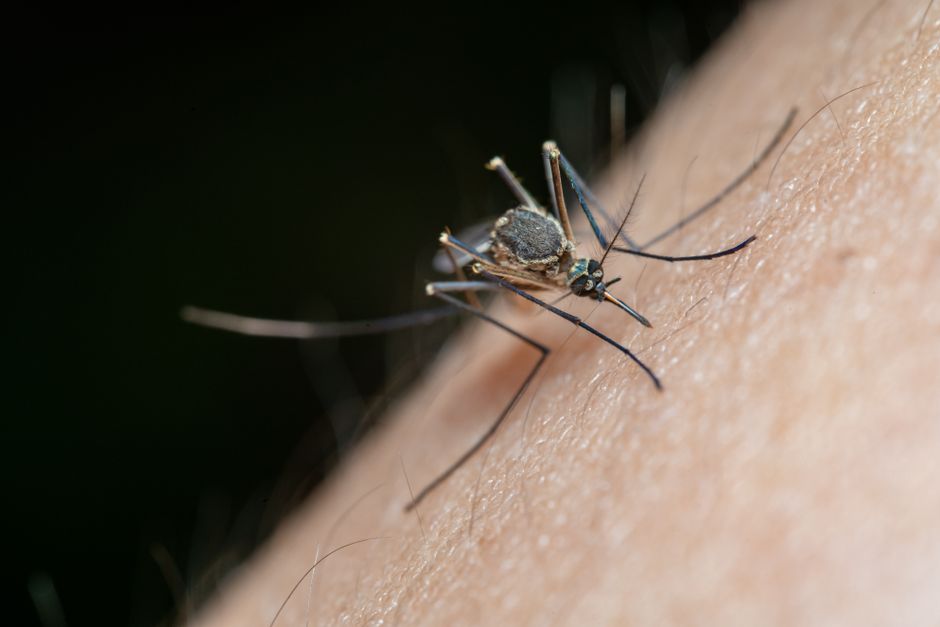
Mosquito bites itch because of what your immune system does after the bite, not because of what the mosquito leaves behind. The fastest relief comes from calming that immune reaction and stopping the itch-scratch cycle before it starts. Most bites settle within a few days on their own, but a handful of simple steps can make the first hours much more comfortable.
Why Do Mosquito Bites Itch So Much?
When a mosquito bites, it injects saliva into your skin. That saliva contains proteins that keep your blood flowing and stop it from clotting. Your body recognizes those proteins as foreign and releases histamine, a chemical your immune system uses to fight invaders.
Histamine does two things. It widens blood vessels near the bite, which causes redness and swelling. It also stimulates nerve endings, which is what you feel as itching. The itch is not the mosquito’s doing. It is your own immune response.
This explains why some people barely react and others get large, angry welts. It also explains why a bite often itches more on the second day than the first. The immune response builds over several hours rather than appearing instantly.
People who have never been exposed to a particular mosquito species may react more strongly at first. Over time, repeated exposure can make reactions milder in some people, though this varies widely and is not guaranteed.
How To Get Rid Of Mosquito Bites Fast
The quickest way to reduce itching is to act within minutes of noticing the bite. Several approaches work, and combining them tends to help more than any single method.
Wash the area with soap and water
This removes any remaining mosquito saliva from the skin surface and reduces the chance of infection if you have already scratched. Use mild soap and lukewarm water. Pat dry rather than rubbing.
Apply a cold compress
Cold slows nerve conduction and reduces blood flow to the area, which can dull both the itch and the swelling. Wrap an ice pack in a cloth and hold it on the bite for about 10 to 20 minutes. Do not put ice directly on bare skin.
Use an over-the-counter anti-itch cream
Hydrocortisone cream (typically 1%) reduces inflammation. Calamine lotion soothes and dries the skin. Both are widely available and commonly used for insect bites. Follow the package directions and do not apply hydrocortisone to broken skin or to the face unless a clinician tells you to.
Try an oral antihistamine
For widespread bites or severe itching, an oral antihistamine can help. Older antihistamines like diphenhydramine cause drowsiness, which may be useful at night but is a problem during the day. Newer options like loratadine or cetirizine are less sedating. Check with a pharmacist or doctor if you take other medications or have a health condition.
Take an oatmeal bath
Colloidal oatmeal added to a cool bath can calm widespread itching. This is a traditional remedy with reasonable supporting evidence for general itch relief, though it is not specific to mosquito bites.
What does not work: scratching. It feels good for a second, then makes everything worse. Scratching damages skin, triggers more histamine release, and can introduce bacteria. If you cannot stop, cover the bite with a bandage.
Do Home Remedies for Mosquito Bites Actually Work?
Some do. Others are folklore with no real evidence behind them.
Aloe vera gel has mild anti-inflammatory properties and can soothe irritated skin. Evidence for its use specifically on mosquito bites is limited, but it is unlikely to cause harm in most people.
Baking soda paste made with a little water is a common home remedy. It may help dry the skin and reduce surface irritation, but there is no strong clinical evidence that it stops the histamine reaction underneath.
Toothpaste is often recommended online. There is no clinical evidence it helps, and some toothpastes contain ingredients that can irritate skin further. Skip it.
Honey has antibacterial properties and has been studied for wound healing. For mosquito bites specifically, the evidence is thin. It is sticky and messy and not a first choice.
Rubbing alcohol may feel cooling but does not reduce itching and can dry out skin. It is not a recommended treatment.
The pattern here matters. A remedy that cools or dries the skin may provide brief relief. A remedy that claims to “draw out” the mosquito’s saliva is based on a misunderstanding of how bites work. The saliva is already gone by the time you feel the itch.



When Should You See a Doctor About a Mosquito Bite?
Most mosquito bites are harmless and resolve within three to four days. Some situations warrant medical attention.
See a doctor if you notice:
- Spreading redness or streaks extending from the bite
- Increasing pain, warmth, or swelling after the first day
- Pus or yellow discharge
- Fever, chills, or feeling generally unwell
- A bite that keeps getting larger over 24 to 48 hours
These can signal a bacterial infection introduced by scratching or, in rare cases, a mosquito-borne illness. Mosquitoes in some regions carry diseases like West Nile virus, dengue, or Zika. If you develop symptoms like fever, headache, joint pain, or rash after being bitten in an area where these diseases occur, contact a healthcare provider.
Some people develop skeeter syndrome, a more severe allergic reaction to mosquito saliva. It causes large, swollen, warm areas that can look alarming. It is not dangerous in itself but may need treatment with antihistamines or corticosteroids. If you have had severe reactions before, talk to a doctor about prevention.
How Can You Prevent Mosquito Bites in the First Place?
Prevention is more effective than treatment. The Centers for Disease Control and Prevention recommends using EPA-registered insect repellents, which have been evaluated for safety and effectiveness.
Key steps include:
- Use repellent containing DEET, picaridin, IR3535, or oil of lemon eucalyptus. Follow label instructions.
- Wear long sleeves and pants when outdoors, especially at dawn and dusk when many mosquito species are most active.
- Remove standing water around your home. Mosquitoes breed in as little as a bottle cap of water.
- Use screens on windows and doors, and repair any tears.
- Treat clothing and gear with permethrin if you are in a high-risk area.
Repellent effectiveness varies by product and concentration. Higher concentrations of DEET do not necessarily work better, but they last longer. A 10% DEET product may protect for about two hours, while a 30% product may last several hours. Reapply as directed.
For infants under two months old, the CDC advises against using insect repellent. Instead, use a carrier or stroller with mosquito netting. No clinical guidelines currently recommend repellent for this age group.
What Makes Mosquito Bites Worse?
Several things can turn a minor annoyance into a multi-day problem.
Scratching is the biggest culprit. It breaks the skin, allows bacteria in, and triggers more histamine release. A bite you leave alone may stop itching within a day. A bite you scratch can stay irritated for a week.
Heat and sweating can intensify itching. Hot showers, exercise, and tight clothing over a bite can all make it feel worse. Cool compresses and loose clothing help.
Alcohol consumption may increase swelling and redness by widening blood vessels. This is a general effect, not specific to mosquito bites, but it can make a bite look and feel more inflamed.
Some people find that certain foods or stress make itching worse. The evidence for these triggers is anecdotal. If you notice a pattern, it may be worth paying attention to, but do not assume it applies to everyone.
How Long Do Mosquito Bites Last?
A typical mosquito bite resolves within three to four days. The initial itch usually peaks within 24 hours and then gradually fades. Swelling and redness may take a little longer to disappear completely.
If a bite lasts longer than a week or gets worse instead of better, that is a reason to check with a doctor. It could mean an infection or a more significant allergic reaction.
People with darker skin tones may notice a dark spot or mark where the bite was. This is called post-inflammatory hyperpigmentation. It is not dangerous and usually fades over weeks to months, though it can take longer in some people.
Frequently Asked Questions
What stops mosquito bites from itching immediately?
A cold compress applied for 10 to 20 minutes is the fastest way to dull the itch. Washing the area with soap and water first can help remove remaining saliva and reduce the reaction.
Does scratching a mosquito bite make it worse?
Yes. Scratching damages the skin, triggers more histamine release, and can introduce bacteria that lead to infection.
How long does it take for a mosquito bite to go away?
Most bites resolve within three to four days. Swelling and redness may take slightly longer to fully fade.
Can I use hydrocortisone cream on mosquito bites?
Yes, hydrocortisone cream (typically 1%) is commonly used to reduce inflammation from mosquito bites. Do not apply it to broken skin or the face unless a clinician advises it.
