
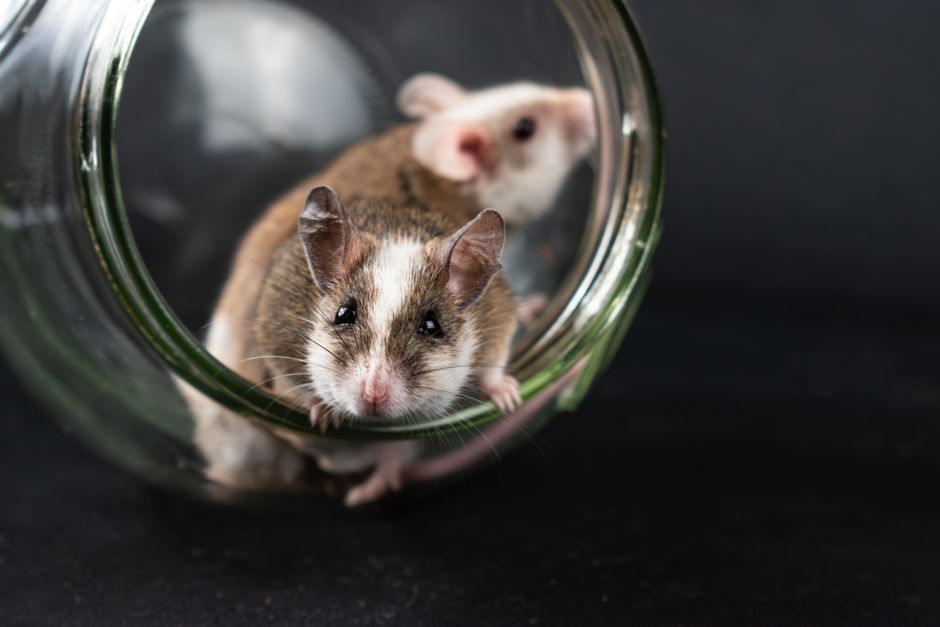
Mice infestations threaten both your home and your health. To get rid of mice effectively, seal every gap larger than a pencil eraser, remove food and water sources, set snap traps along walls where mice travel, and thoroughly clean droppings with disinfectant. If the infestation is large or keeps returning, call a licensed pest control professional.
Why are mice in your home a health concern?
Mice carry diseases that spread directly through droppings, urine, and saliva. Hantavirus, salmonellosis, and leptospirosis are well‑documented risks. Their droppings can also trigger asthma attacks and allergic reactions, especially in children.
Mice do not need to bite you to make you sick. Simply breathing in dust contaminated with dried droppings can transmit some illnesses. Food contamination is another route — mice walk through garbage and then across your counters, leaving bacteria behind.
Because these health risks are real and preventable, eliminating an infestation quickly is important.
How can you tell you have a mouse problem?
Signs of mice are usually obvious once you know what to look for. Fresh droppings are dark, about the size of a grain of rice, with pointed ends. You may also find gnaw marks on food packages, baseboards, or wires. Greasy rub marks along walls or baseboards come from mouse fur sliding through tight spaces.
At night you might hear scratching or scurrying in walls or ceilings. Mice are most active after dark, so daytime sightings usually mean a large infestation is present. A musky odor from urine can also be noticeable in enclosed spaces like pantries or basements.
How to get rid of mice infestation: step‑by‑step approach
Step one: seal entry points. Mice can squeeze through holes as small as a dime — about ¼ inch. Inspect your home’s exterior and interior. Gaps around pipes, vents, windows, and doors are common entry points. Use steel wool combined with caulk or expanding foam for permanent sealing. Copper mesh also works. Avoid relying solely on caulk alone for large gaps; mice can chew through it.
Step two: remove food and water sources. Mice need very little to survive — crumbs, pet food, and a dripping faucet are enough. Store all dry goods in metal or thick plastic containers. Clean counters, floors, and under appliances regularly. Empty trash cans daily and use bins with tight‑fitting lids. Fix leaky pipes and remove pet food bowls after feeding.
Step three: choose the right traps. Snap traps are the most effective and humane option when used correctly. They kill instantly. Place them perpendicular to walls, with the trigger facing the wall, in areas where you see droppings or rub marks. Use a small amount of peanut butter as bait. Avoid placing traps where children or pets can access them.
Glue traps and poison bait stations are alternatives, but each has drawbacks. Glue traps cause slow suffering and are not recommended by many humane organizations. Poison baits risk secondary poisoning of pets or wildlife if the poisoned mouse is eaten. If you use poison, follow label directions exactly and never place it near food, children, or pets.
Step four: clean up thoroughly and safely. Never sweep or vacuum mouse droppings — that sends virus‑laden dust into the air. Instead, spray droppings with a disinfectant (bleach solution or commercial product) until fully wet. Wait at least five minutes, then wipe up with paper towels. Dispose of everything in a sealed plastic bag. Launder any bedding or clothing that may have been contaminated in hot water.
Step five: monitor and maintain. Even after the infestation seems gone, continue checking traps and looking for new droppings. Mice can re‑enter through a gap you missed. Keep up with sealing, cleaning, and food storage habits to prevent a return.





When should you call a pest control professional?
You may be able to handle a small, recent infestation on your own. But call a professional if you see multiple mice daily, find droppings over a wide area, hear sounds in many parts of the home, or have tried your own methods for two weeks without success.
Professional exterminators have access to exclusion techniques, commercial‑grade baits, and thermal imaging to find hidden nests. They can also treat attics, crawl spaces, and wall cavities — areas that are hard to reach safely on your own.
If anyone in your home has a weakened immune system, a professional removal is especially wise to reduce disease risk from dust and droppings during cleanup.
How can you prevent mice from coming back?
Prevention is an ongoing habit, not a one‑time job. Keep the outside of your home trim: cut back tree branches and shrubs that touch the roof or siding. Maintain a clear gravel strip around the foundation — mice dislike crossing open ground. Store firewood at least 20 feet from the house and off the ground.
Inside, continue checking for new entry points, especially after storms or construction. Gaps can open up around pipes that shift or foundations that settle. Installing door sweeps on exterior doors and sealing garage gaps also helps.
Regular deep cleaning in kitchen and pantry areas removes the crumbs and smells that attract mice. And do not leave pet food out overnight — it is one of the most powerful attractants.
Frequently Asked Questions
Will peppermint oil get rid of mice?
No evidence shows peppermint oil reliably eliminates an infestation. Some studies suggest a strong scent may deter mice briefly, but it will not solve an active problem.
How long does it take to get rid of mice?
With consistent trapping and sealing, you should see results within one to two weeks. Large infestations may take several weeks to fully clear.
Are mice dangerous if you sleep in the same room?
Yes, because mice can contaminate surfaces even while you sleep and may bite if cornered. More importantly, you can inhale dust from their droppings, which carries disease risk.
Can a mouse infestation cause long‑term damage?
Yes. Mice gnaw on electrical wiring, which raises fire risk. They also damage insulation, drywall, and stored items. The longer the infestation lasts, the more structural damage can occur.
