
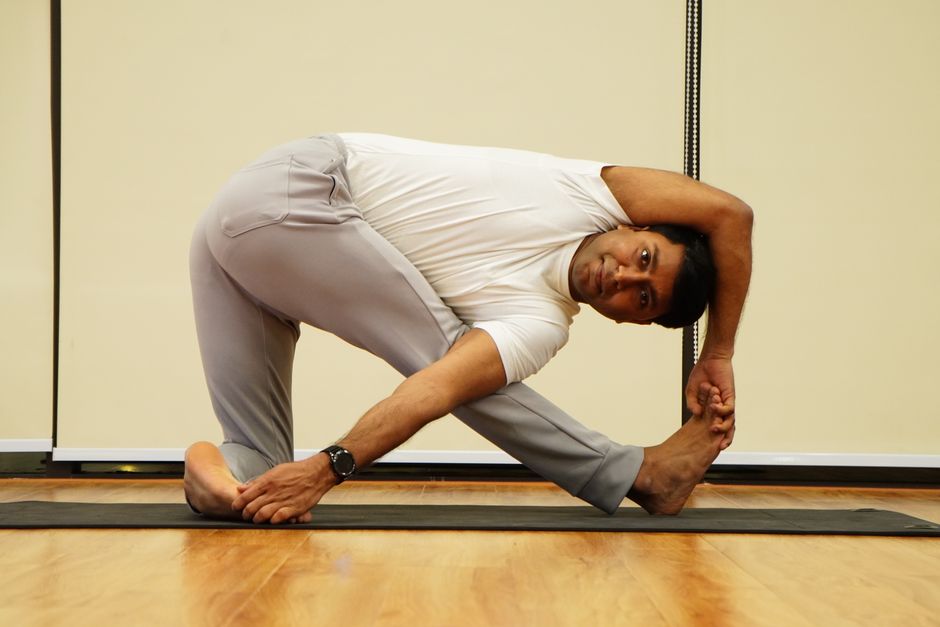
Tight hips can make sitting uncomfortable, walking feel stiff, and exercise less enjoyable. The muscles on your inner thigh, known as the hip adductors, often get ignored until they start complaining. Stretching them is straightforward if you know the right moves and understand what these muscles actually do. The most effective way to stretch hip adductors is to combine gentle static stretches held for 30 seconds with controlled dynamic movements that warm the muscles before activity.
What Exactly Are Your Hip Adductors and Why Do They Get Tight?
Your hip adductors are a group of five muscles running along your inner thigh. They pull your legs toward the center of your body. These muscles work every time you walk, climb stairs, or stabilize yourself on one leg. They are workhorses, not show muscles.
Tightness happens for a few clear reasons. Sitting for long hours keeps these muscles in a shortened position. The adductors adapt by getting shorter and less flexible. The American Council on Exercise notes that prolonged sitting is one of the most common contributors to hip tightness in modern adults.
Another cause is overuse without proper recovery. Cyclists, runners, and soccer players often develop tight adductors because these muscles fire constantly during those sports. When you never stretch them after exercise, the muscles stay contracted. Over time, that leads to stiffness and sometimes pain in the groin or inner knee.
One non-obvious factor is weak glutes. When your gluteal muscles are not strong enough, your adductors take over extra work to stabilize your pelvis. They become overworked and tight as a result. Strengthening your glutes can sometimes relieve adductor tightness better than stretching alone.
How To Stretch Hip Adductors Safely and Effectively
The butterfly stretch is a classic for a reason. Sit on the floor with your feet together and your knees dropped out to the sides. Place your elbows on your knees and gently press down. You should feel a stretch along your inner thighs. Hold for 30 seconds and breathe normally. Do not bounce.
The lateral lunge targets one side at a time. Stand with your feet wide apart. Shift your weight to your right leg, bending your right knee while keeping your left leg straight. Your left foot stays flat on the floor. You will feel the stretch on your left inner thigh. Hold for 30 seconds, then switch sides.
The standing adductor stretch is simple and effective for most people. Stand with your feet wider than shoulder-width apart. Keep your legs straight. Slowly lean your torso to one side while keeping both feet flat. You will feel the stretch on the opposite inner thigh. Hold for 20 to 30 seconds per side.
For a deeper stretch, try the frog pose. Start on your hands and knees. Widen your knees as far as comfortable while keeping your ankles aligned with your knees. Keep your feet flexed. Slowly lower your hips toward your heels. Go only as far as feels like a gentle pull, not sharp pain. Hold for 20 to 30 seconds.
Here is a quick comparison of these four common adductor stretches:
| Stretch | Position | Difficulty | Best For |
|---|---|---|---|
| Butterfly | Seated | Beginner | General tightness |
| Lateral Lunge | Standing | Intermediate | One-sided tightness |
| Standing Adductor | Standing | Beginner | Quick daily stretch |
| Frog Pose | Floor kneeling | Advanced | Deep flexibility work |
What Does Research Say About Stretching Hip Adductors?
Research published in the Journal of Strength and Conditioning Research found that static stretching held for at least 30 seconds significantly improved hip adductor flexibility after four weeks of consistent practice. Shorter holds did not produce the same results. This means holding your stretch for a full 30 seconds matters more than many people think.
Another study in the International Journal of Sports Physical Therapy examined dynamic stretching before exercise versus static stretching after exercise. The researchers found that dynamic stretches — controlled movements that take the muscle through its full range of motion — worked better for preparing the adductors for activity. Static stretches were more effective for long-term flexibility gains when done after a workout.
The evidence also shows that stretching alone does not prevent groin strains. A systematic review in Sports Medicine concluded that while stretching improves flexibility, it has limited evidence for reducing injury risk on its own. Strength training of the adductors combined with stretching appears to be more protective. This is a point many fitness articles get wrong.
Some people report immediate relief from stretching, but research suggests that most flexibility improvements take several weeks of consistent practice. Do not expect a single session to fix chronic tightness. Plan for at least three to four weeks of regular stretching to see measurable change.




What Mistakes to Avoid When Stretching Your Inner Thighs
The most common mistake is stretching cold muscles. Stretching tight, cold adductors can actually cause micro-tears in the muscle fibers. A light warm-up like walking for five minutes or doing leg swings before stretching makes a real difference. Research from the Scandinavian Journal of Medicine and Science in Sports found that stretching warm muscles improved flexibility gains by about 20 percent compared to cold stretching.
Bouncing during a stretch is another problem. Ballistic stretching — the old-school bounce — triggers a reflex that tightens the muscle instead of relaxing it. This can increase injury risk. Keep all static stretches smooth and still. If you feel the urge to bounce, you are stretching too aggressively.
Overstretching is surprisingly common. People assume more stretch means more benefit. That is not true. A stretch should feel like a gentle pull, not a sharp or burning sensation. Pain is a signal that you are pushing past the muscle’s safe limit. Back off immediately if you feel sharp pain in the groin area.
One mistake that gets overlooked is neglecting the opposite muscle group. Tight adductors are often paired with weak abductors — the muscles on the outside of your hip. Stretching without strengthening the opposing muscles can leave your hip joint imbalanced. Adding side-lying leg lifts or clamshells to your routine helps maintain balance.
When Should You See a Professional for Hip Adductor Issues?
If you have groin pain that does not improve with gentle stretching after two weeks, see a physical therapist or sports medicine doctor. Persistent pain could indicate a muscle strain, a hip labral tear, or even a stress fracture. These conditions require proper diagnosis, not more stretching.
Sharp pain during stretching is a red flag. Stop immediately. Mild discomfort is normal when working on tight muscles. Sharp or stabbing pain is not. According to the American Academy of Orthopaedic Surgeons, groin pain that limits walking or causes a limp should be evaluated by a medical professional.
If you have a known groin strain, do not stretch the area until the acute pain subsides. Rest and ice are more appropriate in the first 48 to 72 hours after an injury. Stretching a freshly strained muscle can make the injury worse and delay healing.
Some people report that their adductors feel tight because of referred pain from the lower back. If your inner thigh tightness comes with low back pain or sciatica-like symptoms, the source may be your spine, not your hip. A physical therapist can help determine the true cause.
How to Build a Simple Adductor Stretching Routine
A good routine does not need to be complicated. Start with a five-minute warm-up like walking or marching in place. Then perform two to three of the stretches described earlier. Hold each stretch for 30 seconds on each side. Repeat each stretch twice.
Do this routine three to four times per week. Consistency matters more than intensity. Stretching every day is fine, but every other day gives your muscles time to adapt and recover. Research suggests that frequency and duration of stretching matter more than how hard you push.
Here is a simple weekly schedule to follow:
- Monday: Butterfly stretch, standing adductor stretch, lateral lunge
- Wednesday: Lateral lunge, frog pose, butterfly stretch
- Friday: Standing adductor stretch, frog pose, lateral lunge
- Optional Saturday: Light dynamic leg swings before any activity
Combine this with basic adductor strength work like Copenhagen planks or standing adductor squeezes with a ball. Strength and flexibility together give you the best results. A 2018 study in the British Journal of Sports Medicine found that a program combining adductor strengthening and stretching reduced groin injury risk in soccer players by 41 percent compared to stretching alone.
Frequently Asked Questions
How long should I hold an adductor stretch?
Hold each stretch for at least 30 seconds for best results. Research shows shorter holds do not produce significant flexibility improvements.
Can I stretch my hip adductors every day?
Yes, daily stretching is safe as long as you do not push into pain. Stretching every other day is also effective and gives muscles time to recover.
What is the best stretch for tight inner thighs?
The butterfly stretch and lateral lunge are two of the most effective and safest options for most people. Both target the adductors directly without stressing the groin.
Does stretching hip adductors prevent groin injuries?
Stretching alone has limited evidence for preventing groin strains. Combining stretching with adductor strengthening exercises is more effective for injury prevention.
