
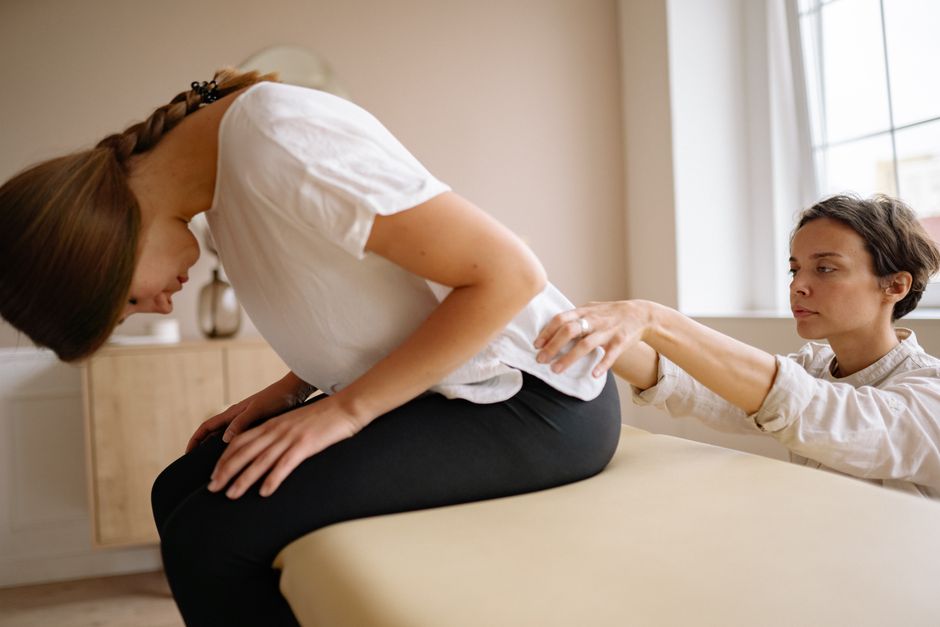
Lower back pain is one of the most common reasons people visit a doctor. The best advice from medical professionals is clear: keep moving, strengthen your core, and avoid bed rest. Most cases of acute lower back pain improve within a few weeks without surgery or strong medications. The goal is not always to eliminate every twinge but to get you back to normal activities safely.
What Actually Causes Lower Back Pain?
Lower back pain is rarely one thing. It is usually a mix of muscle strain, poor posture, and weak core muscles. The spine has small joints, discs, and ligaments that work together. When one part gets irritated the whole area can hurt.
Research shows that most lower back pain is mechanical. That means it comes from how you move, sit, or sleep. It is not a disease. It is a signal that something in your movement patterns needs to change.
Some people worry about herniated discs or arthritis. These conditions exist but they are not as common as simple muscle strain. Even when imaging shows a disc problem many people have no pain at all. Current research suggests that the pain you feel often comes from muscle tension and inflammation not from the disc itself.
Stress and poor sleep also play a big role. Your body heals tissues during deep sleep. When you sleep poorly your back muscles stay tight and recovery slows down. This is a cycle that can keep pain going for weeks.
Does Movement Help or Hurt Lower Back Pain?
Movement helps. Bed rest does not. This is one of the strongest findings in back pain research. Studies have found that people who stay active recover faster than those who rest for more than two days.
Gentle movement keeps blood flowing to sore muscles. It prevents stiffness and stops the muscles from weakening. Weak muscles make the spine unstable which leads to more pain.
Walking is the safest place to start. A 10-minute walk twice a day is enough to make a difference. If walking hurts try gentle stretches like knee-to-chest or cat-cow. These moves keep the spine flexible without loading it.
Do not push through sharp pain. A dull ache during movement is normal. Sharp stabbing pain is a sign to stop and try something gentler. The line between helpful and harmful is clear if you pay attention.
What Treatments Do Doctors Recommend First?
Doctors recommend conservative treatments before anything else. That means physical therapy, anti-inflammatory medications, and heat or ice. Most people improve with these alone.
Physical therapy is not just stretching. A good therapist teaches you how to move in ways that protect your spine. They also strengthen the muscles that support your lower back. This includes the glutes, hamstrings, and deep abdominal muscles.
Over-the-counter medications like ibuprofen or naproxen reduce inflammation. They work best when taken for a short time. Taking them for more than two weeks can cause stomach problems or kidney issues.
Heat therapy relaxes tight muscles. Ice therapy reduces swelling if there is a recent injury. Use heat for 15 minutes before activity and ice for 15 minutes after activity.
Doctors rarely recommend surgery for lower back pain. Less than 5 percent of people with back pain need surgery. It is reserved for cases where a nerve is compressed and causing leg weakness or loss of bladder control.
-
 How to Walk with Lower Back Pain? What Experts Recommend
 -
How to Prevent Back Pain When Sleeping? What Experts Recommend
-
How to Reduce Back Pain During Periods? What Experts Recommend
-
How to Remove Back Neck Pain? What Experts Recommend
-
Joint Genesis Reviews 2025 — Side Effects, Ingredients & Results





How to Get Rid of Lower Back Pain With Exercise
Exercise is the most effective long-term treatment for lower back pain. It does not cure it overnight but it changes how your back handles daily stress over time.
The best exercises target your core. Your core includes your deep abdominal muscles, pelvic floor, and lower back muscles. These muscles act like a natural corset around your spine.
Dead bugs are a simple but effective core exercise. Lie on your back with your arms and legs in the air. Slowly lower one arm and the opposite leg toward the floor. Keep your lower back pressed flat. Do this slowly for 10 reps on each side.
Bridges strengthen your glutes. Weak glutes force your lower back to do extra work. Lie on your back with knees bent. Lift your hips toward the ceiling. Hold for 3 seconds and lower. Do 15 reps.
Planks build endurance in your entire core. Hold a straight body position on your forearms and toes. Start with 20-second holds. Build up to 60 seconds over a few weeks.
Do not do sit-ups or toe touches. These exercises put high pressure on the discs in your lower back. They can make pain worse instead of better.
| Exercise | Muscles Worked | Reps or Time | Pain Warning |
|---|---|---|---|
| Dead Bug | Deep core, hip flexors | 10 each side | Stop if lower back lifts off floor |
| Bridge | Glutes, hamstrings | 15 reps | Stop if you feel pinching in low back |
| Plank | Full core, shoulders | 20-60 seconds | Stop if you cannot keep hips level |
| Cat-Cow | Spine mobility | 10 slow reps | Go slow, no jerking |
| Bird Dog | Core, back stabilizers | 8 each side | Stop if you wobble or feel sharp pain |
What to Avoid When Your Back Hurts
Some common habits make back pain worse. Knowing what to avoid is just as important as knowing what to do.
Avoid sitting for long periods. Sitting puts 40 percent more pressure on your lower back discs than standing. If you have a desk job stand up every 30 minutes. Walk for two minutes or do a quick stretch.
Avoid bending at the waist to pick things up. This is the number one cause of acute back injuries. Always bend at your knees and keep your back straight. Your legs are stronger than your spine.
Avoid sleeping on your stomach. This position twists your neck and flattens the natural curve of your lower back. Side sleeping with a pillow between your knees is better. Back sleeping with a pillow under your knees also works.
Avoid heavy lifting until the pain is gone. Lifting with a sore back strains already irritated muscles. Wait until you can move without pain before you lift anything over 20 pounds.
Avoid chiropractic adjustments from unlicensed practitioners. Manual therapy can help but it must be done by someone trained. A bad adjustment can make a disc problem worse.
What About Supplements and Alternative Treatments?
This is where the evidence gets weak. Many supplements are marketed for back pain but few have strong research behind them.
Vitamin D deficiency is linked to chronic back pain. Some studies suggest that correcting low vitamin D levels reduces pain. But taking vitamin D if your levels are normal does not help. Get tested first.
Turmeric and curcumin have anti-inflammatory properties. Some people report less pain when taking them. The evidence is not strong enough to recommend them as a primary treatment. They are safe for most people and may help slightly.
Acupuncture has mixed research. Some studies show it helps with chronic back pain. Others show it works no better than fake acupuncture. Current research suggests it may help some people but not everyone.
Massage therapy helps relax tight muscles. It works best for acute pain that comes from muscle tension. It does not fix structural problems or weak muscles. Think of it as short-term relief not a cure.
Chiropractic care is widely used but the evidence is limited. Some people feel better after adjustments. Others do not. The studies that exist show small improvements that may not last long.
As of 2026 there is no clinical evidence that any supplement can cure lower back pain. Supplements may help with inflammation or muscle relaxation but they do not fix the underlying causes.
When Should You See a Doctor?
Most lower back pain goes away on its own. But some symptoms need medical attention.
See a doctor if your pain lasts more than six weeks. This is considered chronic back pain. You may need imaging or physical therapy to find the cause.
See a doctor immediately if you lose control of your bladder or bowels. This is a sign of cauda equina syndrome. It is rare but it requires emergency surgery.
See a doctor if your leg is weak or numb. This can mean a nerve is compressed. Early treatment prevents permanent damage.
See a doctor if you have unexplained weight loss or fever with back pain. These can be signs of infection or cancer. These causes are very rare but they need immediate attention.
Do not wait if you have a history of cancer or osteoporosis. Your risk of a fracture or metastasis is higher. Get checked early.
Frequently Asked Questions About get rid of lower back pain
How long does lower back pain usually last?
Acute lower back pain typically resolves within four to six weeks. Chronic pain lasts longer than 12 weeks and may need ongoing management.
Is bed rest good for lower back pain?
No. Bed rest for more than two days weakens muscles and slows recovery. Gentle movement is better than lying still.
Can stretching make lower back pain worse?
Yes if you stretch aggressively or into sharp pain. Gentle stretches like cat-cow and knee-to-chest are safe for most people.
Do I need an MRI for my back pain?
Usually not. MRIs are not needed for most back pain. They are reserved for cases with nerve symptoms or red flags like weakness or bowel changes.
