
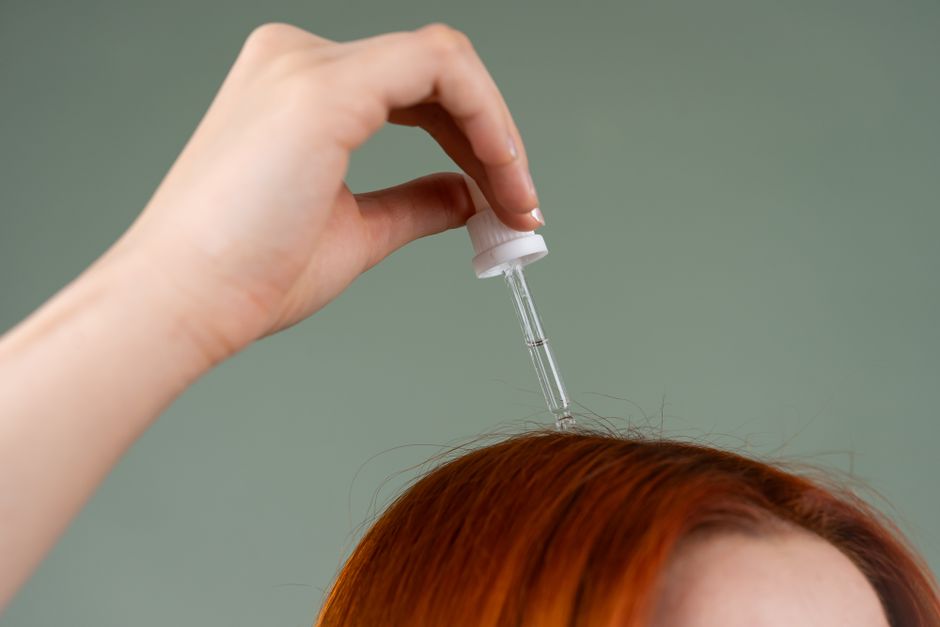
You cannot get rid of head lice without treatment. There is no home remedy, oil, vinegar, or kitchen ingredient that has been proven to kill lice and their eggs. The only reliable way to end an infestation is to use a product or method that is known to kill lice, and to remove the eggs by hand or with a fine-tooth comb.
This is not what most people want to hear. Head lice are common, harmless, and deeply annoying, and the internet is full of confident advice about mayonnaise, olive oil, and tea tree oil. That advice does not hold up. What does work is a small number of proven approaches, some of which you can do at home with drugstore products or a comb.
What Are Head Lice And How Do They Spread?
Head lice are tiny wingless insects that live on the scalp and feed on blood from the skin. They are about the size of a sesame seed as adults. They cannot fly or jump. They crawl.
That matters because it explains how lice actually spread. They move from one head to another through direct head-to-head contact. This is why lice are so common in younger children, who put their heads together constantly during play, naps, and reading. Spread through shared hats, brushes, or pillows is possible but much less common than people assume.
Lice are not a sign of poor hygiene. They do not carry disease. They are a nuisance, not a health threat. But they do need to be dealt with, because they will not go away on their own.
The life cycle matters for treatment
A female louse lays eggs, called nits, that cement themselves to hair shafts close to the scalp. The eggs hatch in about a week. The nymphs then grow through several stages over roughly another week before they can lay eggs themselves.
This cycle is the reason a single treatment often fails. Many products kill live lice but not all eggs. The eggs that survive hatch days later, and the infestation starts again. Understanding this is the key to getting rid of lice for good.
Why Home Remedies Do Not Work
No home remedy has been shown in controlled studies to reliably kill head lice and their eggs. This is a strong statement, and it is supported by the evidence.
Mayonnaise, olive oil, butter, and similar thick substances are sometimes said to smother lice. The theory sounds reasonable. In practice, lice can close their breathing openings for hours, and studies testing these substances have not found them effective. Petroleum jelly is messy and difficult to remove from hair, and it has not been shown to work either.
Vinegar is often recommended to loosen nits from hair shafts. Some research suggests acidic rinses can make combing easier, but vinegar does not kill lice. Tea tree oil and other essential oils have been studied, and some products containing them show modest activity. The evidence is mixed and the concentrations needed are not well established. Essential oils can also cause skin irritation, and some are not safe for young children.
Here is the part that catches people off guard. Even if a home remedy killed some lice, it would not address the eggs. Killing adult lice without removing or killing eggs almost guarantees the infestation returns. Any approach that ignores the eggs is incomplete.
How To Get Rid Of Lice Without Treatment At Home
If you want to avoid medicated products, the wet combing method is the main option with real evidence behind it. It works by physically removing lice and nits rather than poisoning them.
Wet combing, sometimes called the bug-busting method, involves these steps:
- Wash the hair and apply plenty of conditioner. This stops the lice from moving.
- Comb through the whole head with a fine-tooth nit comb, working from the scalp to the ends.
- Wipe the comb on a tissue after each pass and check for lice or nits.
- Repeat on every part of the head, including behind the ears and at the back of the neck.
- Repeat the whole process every few days for at least two weeks, until you find no lice for several sessions in a row.
The catch is diligence. Wet combing only works if it is done thoroughly and repeated on schedule. Studies comparing wet combing with medicated treatments have found mixed results. When wet combing is done correctly and consistently, it can work. When it is done casually or skipped, it fails. This is a method that depends entirely on the person doing it.
A fine-tooth metal comb is more effective than a plastic one. The teeth need to be close enough together to catch nits. Cheaper plastic combs often let nits slip through.



What Actually Kills Lice?
Most effective lice treatments fall into two groups: chemical insecticides and physical agents that work by suffocation or dehydration.
Over-the-counter products containing permethrin or pyrethrins have been used for decades. Resistance to these ingredients is now common in many parts of the United States, which means they may not work even when used correctly. Prescription options include stronger insecticides and newer agents that work differently.
Physical agents are another route. Some products use dimethicone or other silicone-based ingredients that coat and suffocate lice. Others use substances that dry them out. These are appealing because lice are less likely to develop resistance to a physical mechanism than to a chemical one. The evidence for these products varies, and not all are equally well studied.
Whichever route you take, the combing step still matters. Removing nits by hand or with a comb shortens the time it takes to clear the infestation and helps confirm when it is gone.
| Approach | How it works | Key limitation |
|---|---|---|
| Wet combing | Physically removes lice and nits | Requires repeated, thorough sessions |
| Permethrin or pyrethrin products | Chemical insecticide | Resistance is common |
| Prescription insecticides | Stronger chemical action | Requires a prescription |
| Suffocating agents | Coats and blocks breathing openings | Evidence varies by product |
| Home remedies (oil, vinegar, mayonnaise) | Not established | No reliable evidence they work |
Do You Need To Clean Your House?
Not as much as most people think. Lice cannot survive long away from a human scalp. They need blood to live, and they die within a day or two off the head.
This means the frantic cleaning that often follows a lice diagnosis is mostly unnecessary. You do not need to bag up every stuffed animal for weeks or fumigate the house. Lice do not infest homes the way bedbugs do.
A reasonable approach is to focus on items that touch the head:
- Wash bedding, hats, and pillowcases in hot water and dry on a hot setting.
- Soak combs and hairbrushes in hot water for several minutes.
- Vacuum furniture and car seats where an infested head has rested.
- Put items that cannot be washed in a sealed bag for a couple of weeks.
That is enough. The main job is treating the head, not the house.
How Do You Know The Lice Are Gone?
You know the infestation is over when you comb through wet, conditioned hair and find no lice and no nits for several sessions in a row.
Nits are the tricky part. Empty egg shells stay glued to hair shafts and look almost identical to eggs that still contain a live louse. A nit more than about a quarter inch from the scalp is usually already hatched or empty, because eggs are laid close to the scalp and hair grows out. Nits close to the scalp are the ones to watch.
Keep combing every few days for at least two weeks after you stop finding live lice. Two weeks covers the full egg-to-adult cycle. If nothing new appears in that window, you are clear.
If you keep finding live lice after two weeks of proper treatment, the treatment is not working. This usually means resistance, incorrect use, or reinfection from another person. At that point, a different product or a call to a clinician is the sensible next step.
How Can You Prevent Lice From Coming Back?
Prevention is mostly about avoiding head-to-head contact and checking early.
Teach children not to share hats, brushes, headphones, or hair ties. Check your child’s scalp every week or two, especially after sleepovers, camp, or school outbreaks. Early detection makes treatment far easier because there are fewer lice and eggs to deal with.
If someone in the household has lice, check everyone in the home on the same day. Treating one person while another still has lice is a common reason infestations seem to never end.
There is no vaccine and no proven way to make a scalp unattractive to lice. Products marketed as lice repellents have limited evidence behind them. The most reliable prevention is a quick weekly comb-through and prompt action when you find something.
Frequently Asked Questions
Can I get rid of lice without any treatment at all?
No. Head lice will not go away on their own because they feed on the scalp and reproduce there. You need either a medicated product or consistent wet combing to remove them.
Does mayonnaise or olive oil kill head lice?
There is no reliable evidence that mayonnaise or olive oil kills lice or their eggs. Lice can survive being coated in oil for hours, and these methods have not held up in studies.
How long does it take to get rid of lice with combing only?
Wet combing usually takes about two weeks of repeated sessions to clear an infestation. You need to comb every few days until you find no lice for several sessions in a row.
Do I need to throw away pillows or stuffed animals?
No. Lice die within a day or two off the human head, so discarding items is not necessary. Washing items that touched the head in hot water is enough.
