
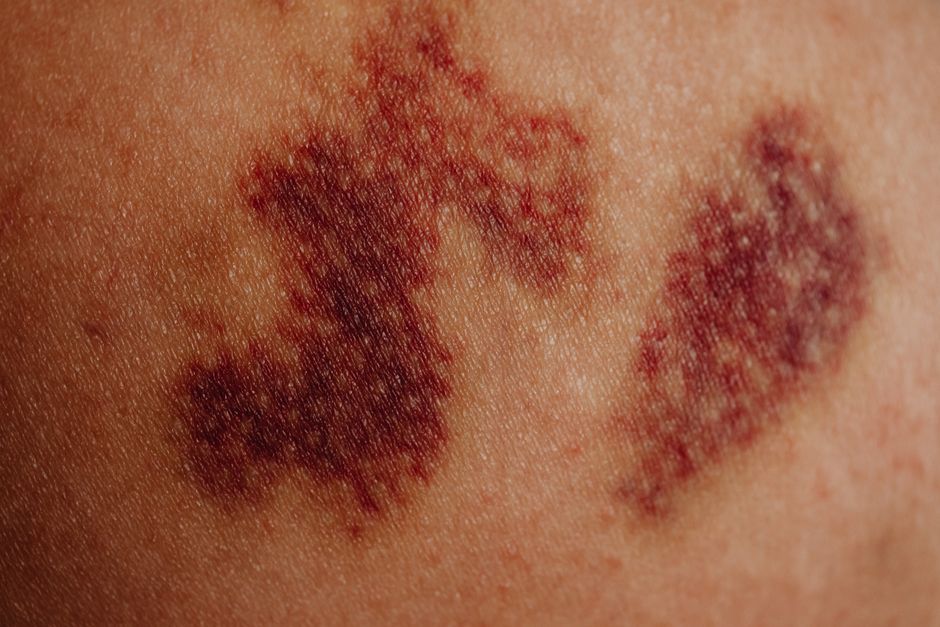
Merkel cell carcinoma is a rare and aggressive type of skin cancer that starts in Merkel cells, which are cells in the top layer of skin linked to the sense of touch. It often appears as a fast-growing, painless bump on sun-exposed skin, most commonly on the head, neck, or arms. The main symptoms are a firm, red or purple nodule that grows quickly, and the primary causes are long-term sun exposure and a weakened immune system. Treatment typically involves surgical removal of the tumor, often followed by radiation therapy, and newer immunotherapy drugs are also used for advanced cases.
What Is Merkel Cell Carcinoma?
Merkel cell carcinoma (MCC) is a type of skin cancer that is much rarer than basal cell carcinoma or melanoma. It develops from Merkel cells, which are neuroendocrine cells found in the epidermis. These cells are connected to nerve endings and play a role in the sense of light touch.
MCC is known for being aggressive. It grows quickly and has a higher chance of spreading to lymph nodes and other organs compared to most other skin cancers. Because it is uncommon, many people have never heard of it, which can delay diagnosis.
Most cases occur in people over 60, and it is more common in men than in women. Fair-skinned individuals are at the highest risk, although it can occur in people with darker skin, often on the legs.
What Are the Symptoms of Merkel Cell Carcinoma?
The most common symptom is a painless, firm bump on the skin that appears suddenly and grows rapidly over weeks to months. The bump is often red, pink, or purple and may look like a cyst, a pimple, or an insect bite. This appearance can make it easy to mistake for a benign skin condition.
MCC lesions are usually found on sun-exposed areas. The head and neck are the most common sites, followed by the arms and legs. On darker skin, the tumor often appears on the lower legs or thighs.
It is important to watch for the “AEIOU” signs, which are common features of MCC:
- Asymptomatic: The lump is usually painless.
- Expanding rapidly: It grows noticeably within a few weeks or months.
- Immunosuppressed: People with weakened immune systems are at higher risk.
- Older: Most cases occur after age 50.
- UV-exposed: It appears on skin that has had significant sun exposure.
If the cancer spreads, symptoms can include swollen lymph nodes near the tumor, fatigue, and unintentional weight loss. Any new, growing, or changing skin bump should be examined by a dermatologist, especially in older adults.
What Causes Merkel Cell Carcinoma?
The primary cause is damage to the DNA of Merkel cells, and there are two main pathways that lead to this damage: ultraviolet (UV) radiation and a virus called Merkel cell polyomavirus (MCV).
UV radiation from the sun or tanning beds is a major risk factor. This explains why MCC most often appears on sun-exposed skin. People with a history of sunburns or long-term sun exposure have a higher risk.
In the late 2000s, researchers discovered that a large portion of MCC tumors contain DNA from Merkel cell polyomavirus. This virus is common — many people carry it without ever developing cancer. However, in some individuals, the virus integrates into the cell’s DNA and triggers uncontrolled cell growth.
It is important to note that not all MCC cases involve the virus. Tumors caused by UV damage tend to have many genetic mutations, while virus-associated tumors have fewer mutations. Both forms are treated similarly, but understanding these pathways helps researchers develop targeted therapies.
A weakened immune system is another significant factor. People who have undergone organ transplants, have HIV, or take immunosuppressive medications are at higher risk. The immune system normally helps eliminate abnormal cells, and when it is compromised, these cells can multiply unchecked.





How Is Merkel Cell Carcinoma Diagnosed?
A doctor will first examine the bump and ask about its growth and any risk factors. However, MCC cannot be diagnosed by appearance alone. Many other skin conditions look similar, including cysts, lipomas, and other types of skin cancer.
The only way to confirm the diagnosis is a biopsy. During a biopsy, the doctor removes part or all of the bump and sends it to a laboratory for analysis under a microscope. A pathologist looks for specific cell features and uses special stains to distinguish MCC from other cancers.
If the biopsy confirms MCC, the doctor will likely recommend imaging tests to check whether the cancer has spread. This may include a sentinel lymph node biopsy, where the first lymph node draining the tumor area is removed and examined. This test helps stage the cancer and guide treatment decisions.
What Are the Treatment Options for Merkel Cell Carcinoma?
Treatment depends on the stage of the cancer, the tumor’s location, and the patient’s overall health. The main treatment is surgery, and additional therapies are often used to reduce the risk of recurrence.
Surgery is the primary treatment. The surgeon removes the tumor along with a margin of healthy tissue around it to ensure no cancer cells are left behind. This is called wide local excision.
Radiation therapy is frequently recommended after surgery. It uses high-energy beams to kill any remaining cancer cells in the area. Radiation is also used if the cancer has spread to lymph nodes or if surgery is not possible.
Immunotherapy has changed the outlook for advanced MCC. These drugs, such as pembrolizumab and avelumab, help the immune system recognize and attack cancer cells. They are often used when the cancer has spread to distant organs or when surgery and radiation are not enough.
Chemotherapy is used less often now. It can be effective in the short term, but responses are usually not durable, and immunotherapy has largely replaced it as the first-line treatment for advanced disease.
Regular follow-up after treatment is essential. MCC has a high rate of recurrence, especially within the first two to three years. Follow-up visits usually involve skin exams and imaging tests to catch any return of the cancer early.
What Is the Prognosis for Merkel Cell Carcinoma?
Prognosis depends heavily on the stage at diagnosis. When the cancer is caught early and is confined to the skin, the outlook is much better. When it has spread to lymph nodes or distant organs, the prognosis is more guarded.
MCC is an aggressive cancer, and it has a higher rate of recurrence than many other skin cancers. However, the introduction of immunotherapy has significantly improved survival for people with advanced disease.
Because MCC is rare, long-term survival statistics vary widely. It is more accurate to say that early detection and complete surgical removal offer the best chance of a good outcome. Anyone who has been treated for MCC should have regular skin and lymph node checks.
How Can Merkel Cell Carcinoma Be Prevented?
Because UV radiation is a major risk factor, sun protection is the most effective prevention strategy. This includes using broad-spectrum sunscreen, wearing protective clothing, and avoiding tanning beds.
Regular skin self-exams are also important, especially for older adults and people with weakened immune systems. Look for any new bumps, especially ones that grow quickly or bleed easily. A dermatologist should examine any suspicious lesion promptly.
There is no screening test for MCC, so awareness is the key. Knowing the signs and acting quickly can make a meaningful difference in outcomes.
Frequently Asked Questions
Is Merkel cell carcinoma the same as melanoma?
No, they are different types of skin cancer with different cell origins. Melanoma starts in pigment-producing cells, while Merkel cell carcinoma starts in Merkel cells involved in touch sensation.
How fast does Merkel cell carcinoma grow?
MCC is known for rapid growth, often appearing as a bump that doubles in size within weeks to months. This quick growth is one of the key warning signs that distinguishes it from benign skin lesions.
Can Merkel cell carcinoma be cured?
Yes, when caught early and confined to the skin, surgery alone can be curative. For advanced cases, immunotherapy has significantly improved long-term outcomes, though the risk of recurrence remains higher than for most skin cancers.
Who is most at risk for Merkel cell carcinoma?
People over 60, those with fair skin, and individuals with weakened immune systems are at the highest risk. A history of significant sun exposure also increases the likelihood of developing this cancer.
