
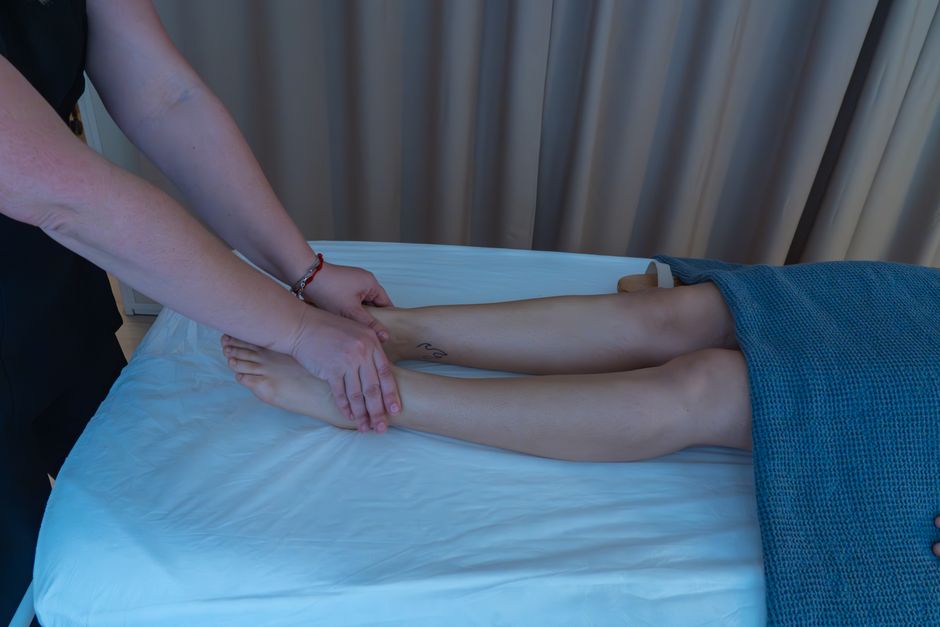
Waking up with scratched, irritated legs is exhausting. The urge to itch can pull you out of deep sleep, leaving you tired and frustrated the next day. The good news is that most causes of nighttime leg itching are manageable, and many people can find lasting relief with the right routine. The key is to identify why your skin itches at night and then treat that specific cause consistently, not just mask the symptom with a quick scratch.
Why Do My Legs Itch More At Night?
Your body’s natural daily rhythm plays a big role in nighttime itching. Your skin loses more water at night, which makes it drier and more prone to irritation. Core body temperature also drops slightly during sleep, and this change can trigger nerve signals that increase the sensation of itch.
During the day, you have distractions. Work, conversations, and movement keep your mind off the itch. At night, with nothing to distract you, even a mild itch feels more intense. This is a normal response, not a sign that something is seriously wrong.
Another factor is that your skin barrier repairs itself at night. This process increases blood flow to the skin’s surface, which can make existing irritation feel more noticeable. Understanding this natural cycle helps explain why a cream that seems to do nothing during the day can make a real difference at night.
What Causes Itchy Legs At Night?
Dry skin is the most common cause. When the skin’s moisture barrier is weak, it cannot hold water effectively. This leads to microscopic cracks in the skin that expose nerve endings, causing an itchy sensation. Cold, dry air and hot showers both strip moisture from the skin.
Allergies and irritants are another frequent trigger. Laundry detergent, fabric softener, or the material of your pajamas can all cause a reaction. New skincare products, like lotions with fragrances or dyes, can also irritate sensitive skin. If you recently changed any product that touches your legs, that is a strong clue.
Less commonly, nighttime itching can be linked to internal conditions. Iron deficiency is one example. Some research suggests a link between low iron levels and restless legs syndrome, which often involves an itchy or crawling sensation. Kidney or liver issues can also cause generalized itching, but these conditions usually have other symptoms beyond just itchy legs.
Bed bugs and scabies are possible but less common. Bed bug bites often appear in a line or cluster. Scabies causes intense itching that is often worse at night, with a rash that can look like small red bumps or lines on the skin. If you suspect either of these, inspect your mattress and check with a doctor.
How To Get Rid Of Itchy Legs At Night For Good
The most effective approach is to rebuild your skin’s moisture barrier and remove triggers. This is not a one-night fix. It requires a consistent routine for several weeks to see lasting results.
Start with your shower routine. Use lukewarm water, not hot water. Hot water strips the natural oils your skin needs to stay hydrated. Limit your shower to 10 minutes or less. Pat your skin dry with a towel — do not rub. Rubbing removes moisture and irritates the skin further.
Apply a thick moisturizer within three minutes of stepping out of the shower. This is the critical window when your skin is still slightly damp and can absorb moisture best. Look for creams or ointments rather than thin lotions. Ingredients like ceramides, glycerin, and colloidal oatmeal are well-studied for supporting the skin barrier. A fragrance-free product is always a safer choice for sensitive skin.
For your nighttime routine specifically, apply moisturizer again right before bed. This gives your skin a fresh layer of protection while you sleep. Some people find that a cream containing menthol or camphor provides a cooling sensation that calms the itch. These ingredients are not a cure, but they can help you fall asleep without scratching.
Wear loose-fitting pajamas made from cotton or bamboo. These fabrics breathe and allow your skin to stay cool. Avoid wool and synthetic materials like polyester, which can trap heat and irritate sensitive skin. Wash your pajamas and sheets with a fragrance-free, dye-free detergent.
Keep your bedroom cool. A room temperature around 65 degrees Fahrenheit is ideal for sleep. If you sleep hot, your skin becomes more irritated, and you are more likely to scratch. A cool, slightly humid environment helps your skin retain moisture.





When Over-The-Counter Options Are Not Enough
If you have tried a consistent moisturizing routine for two weeks and the itch is not improving, it is time to consider other options. An antihistamine taken at night can help if allergies are driving the itch. Some antihistamines also cause drowsiness, which can help you sleep through the night. Talk to your pharmacist or doctor about which one is right for you.
Hydrocortisone cream, available over the counter at 1% strength, can reduce inflammation and calm itching. This is not a long-term solution. Use it for a few days to break the itch-scratch cycle, but do not apply it to large areas of skin for weeks at a time. Prolonged use can thin the skin.
Some research suggests that supplements like vitamin D or omega-3 fatty acids may improve skin hydration in people with deficiencies. However, the evidence is not strong enough to recommend these for everyone. If you suspect a deficiency, ask your doctor for a blood test rather than guessing with supplements.
No clinical guidelines currently exist for using supplements specifically to treat itchy legs at night. Taking a multivitamin will not hurt, but it is unlikely to solve the problem if your skin barrier is damaged. Focus on topical care first.
Lifestyle Changes That Reduce Nighttime Itching
Stress makes itching worse. When you are stressed, your body releases cortisol, which can increase inflammation in the skin. Practicing a short relaxation routine before bed — deep breathing, gentle stretching, or reading — can lower stress levels and reduce itch intensity.
Your diet can also play a role. Dehydration directly affects skin moisture. Drinking enough water during the day supports your skin’s natural hydration. Foods rich in healthy fats, like avocados and nuts, provide building blocks for your skin barrier. There is no specific anti-itch diet, but a balanced diet supports overall skin health.
Exercise improves circulation, which supports skin health. However, exercising too close to bedtime can raise your core temperature and make nighttime itching worse. Finish vigorous exercise at least three hours before you plan to sleep.
Alcohol and caffeine can both disrupt sleep and dehydrate the body. Reducing both, especially in the evening, can improve sleep quality and reduce the intensity of nighttime itching. This is not a guaranteed fix, but it removes two common aggravating factors.
When To See A Doctor About Itchy Legs
See a doctor if the itching lasts longer than two weeks despite consistent home care. Also seek medical advice if the itch is severe enough to disrupt your sleep regularly or if scratching has caused open sores or signs of infection, such as redness, warmth, or discharge.
You should also see a doctor if the itching is accompanied by other symptoms. Unexplained weight loss, fatigue, or changes in your skin color alongside itching can signal an underlying medical condition. Yellowing of the skin or eyes, dark urine, or persistent tiredness combined with itching warrants prompt medical evaluation.
Restless legs syndrome is a distinct condition that some people describe as an itchy or crawling sensation. If you feel a strong urge to move your legs at night and the sensation improves with movement, this may be restless legs syndrome rather than a skin issue. This condition requires a different treatment approach, so an accurate diagnosis matters.
A doctor can run blood tests to check for iron deficiency, thyroid issues, or other metabolic causes. They can also prescribe stronger topical treatments or oral medications if needed. There is no shame in seeking help — chronic itching is a real medical complaint that deserves proper evaluation.
Frequently Asked Questions
Can itchy legs at night be a sign of something serious?
Usually not, but persistent itching can signal an underlying condition like iron deficiency, thyroid problems, or liver or kidney issues. See a doctor if the itching lasts more than two weeks or comes with other symptoms like fatigue or weight changes.
What is the best cream for itchy legs at night?
A thick, fragrance-free moisturizer with ceramides or colloidal oatmeal is the best first choice. For intense itching, a 1% hydrocortisone cream can be used for a few days to break the itch cycle.
Does drinking more water help stop itchy legs?
Staying hydrated supports overall skin health, but drinking extra water alone will not fix already damaged skin. Topical moisturizing is the direct treatment; water intake is a supporting factor.
Are there foods that make nighttime itching worse?
There is no specific food proven to cause nighttime leg itching in most people. However, alcohol and caffeine can dehydrate you and disrupt sleep, which may make itching feel worse.
