
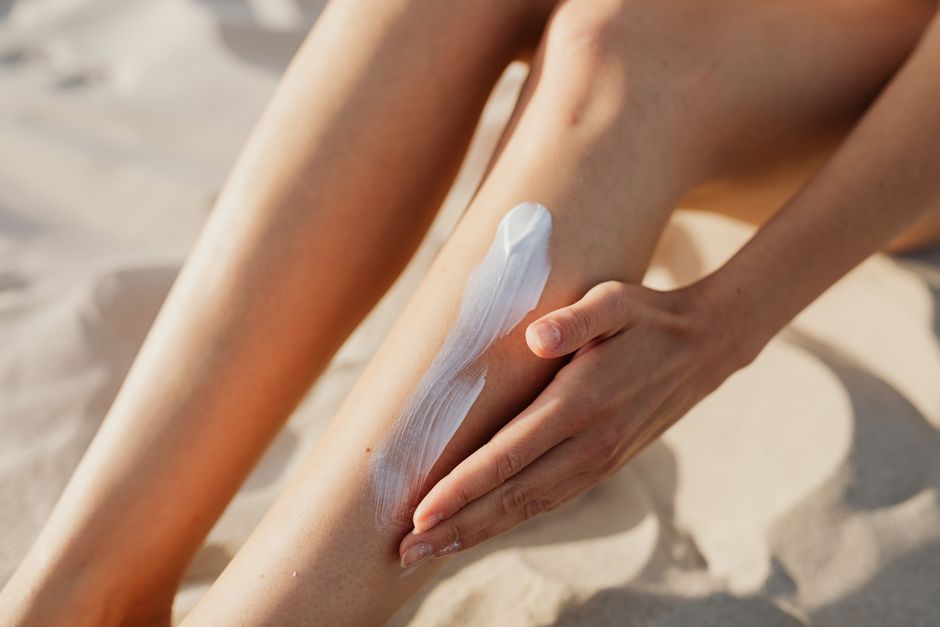
Eczema on the legs is common, and the itch can be relentless. Scratching leads to more inflammation, which leads to more itching. The goal of treatment is to break that cycle. You do that with a consistent moisturizing routine, targeted anti-inflammatory treatments, and by avoiding your specific triggers. For most people, this combination brings the itch under control within a few days to a couple of weeks.
Why Is Eczema On Legs So Itchy?
The itch of eczema is not a simple surface irritation. It comes from deep within the skin layers. In eczema, the skin barrier is weak. It loses water too quickly and lets irritants in more easily. This triggers an immune response that releases inflammatory chemicals, including histamine and others. These chemicals stimulate the nerve endings in the skin, and that signal is what you feel as itch.
On the legs, the skin can be thicker than on the face, but it is still vulnerable. The lower legs have less blood flow than the rest of the body, which can slow healing. Friction from clothing, sweat, and dry winter air all make the legs a common hotspot for flares.
One thing that surprises many people: the itch often comes before the rash. You may feel an intense urge to scratch an area that looks perfectly normal. That is a hallmark of eczema. Scratching then damages the skin, which worsens the inflammation and creates the visible red, scaly patches.
What Is The Fastest Way To Stop The Itch?
The fastest relief comes from a combination of cold and moisture. A cool, damp cloth applied to the itchy area for 10 to 15 minutes can calm the nerve endings quickly. Follow that immediately with a thick moisturizer. This traps the moisture in the skin and starts repairing the barrier right away.
For the itch itself, an over-the-counter hydrocortisone cream (1%) is the standard first-line treatment. It reduces the inflammation directly, which stops the itch at its source. Apply it once or twice daily to the affected patches only, not to healthy skin. Use it for no longer than two weeks at a time without checking with a doctor.
Oral antihistamines can help, but not the way most people expect. The non-drowsy ones (like cetirizine or loratadine) do little for the itch of eczema because the itch is not driven mainly by histamine. The older, sedating antihistamines (like diphenhydramine) can help you sleep through the itch at night. That is their main value here.
How To Treat Eczema On Legs And Stop The Itch Long-Term
The single most effective long-term strategy is a disciplined moisturizing routine. This is not optional. It is the foundation of every eczema treatment plan. You need a thick, fragrance-free ointment or cream. Lotions are too thin and often contain alcohol, which can sting and dry the skin further.
Apply moisturizer within three minutes of bathing or showering. This locks in the water your skin has absorbed. Do this twice a day, every day, even when your skin looks clear. Consistency matters more than the specific brand. Look for products with ceramides, glycerin, or petrolatum. These ingredients help rebuild the skin barrier.
For the legs specifically, pay attention to what touches them. Tight jeans, synthetic leggings, and wool can all trigger flares. Choose loose, breathable cotton. Wash new clothes before wearing them to remove dyes and finishing chemicals. Use a gentle, fragrance-free laundry detergent, and skip fabric softeners entirely. They leave a residue that can irritate sensitive skin.
Showering habits matter too. Hot water feels good but strips the skin of its natural oils. Use lukewarm water and keep showers under 10 minutes. Pat your skin dry with a towel. Do not rub.




When Over-The-Counter Treatments Are Not Enough
If your eczema does not improve after two to four weeks of consistent moisturizing and hydrocortisone use, you need to see a doctor. The same applies if the rash is spreading, weeping, or showing signs of infection. Signs of infection include honey-colored crusts, pus, increased redness, warmth, or fever.
A doctor can prescribe stronger treatments. Topical prescription corticosteroids are more potent than anything over the counter. They come in different strengths, and your doctor will choose based on the thickness of the skin on the affected area. The lower legs may need a mid-strength steroid to penetrate effectively.
There are also non-steroid prescription options. These include topical calcineurin inhibitors like tacrolimus and pimecrolimus. They work by suppressing the immune response in the skin without the side effects of long-term steroid use. They are especially useful for areas where steroids should be avoided, though the legs are less sensitive in this regard than the face.
For moderate to severe eczema that does not respond to topical treatments, there are newer systemic medications. These include biologic drugs like dupilumab, which target specific immune pathways. These are injectable medications given under medical supervision. They are not first-line treatments, but they are highly effective for people with stubborn, widespread eczema.
What Triggers Eczema Flares On Legs?
Triggers vary from person to person, but some are very common. Dry air, especially in winter, is a major one. The low humidity pulls moisture from the skin. Indoor heating makes it worse. Using a humidifier in your bedroom during dry months can help.
Sweat is another frequent trigger. Exercise causes sweat to pool on the legs, especially under tight clothing. This can irritate the skin and start a flare. Shower promptly after working out and apply moisturizer.
Stress is a well-documented trigger for eczema flares. It does not cause eczema, but it can make existing eczema worse. Stress hormones affect the immune system and can increase inflammation in the skin. Managing stress is not a cure, but it is a legitimate part of controlling the condition.
Contact allergens matter on the legs too. Nickel in jeans buttons, dyes in dark clothing, and certain fabric finishes can all cause a reaction. If your eczema is concentrated exactly where clothing touches, contact allergy testing may be worth discussing with a dermatologist.
Can Diet Affect Eczema On Legs?
The relationship between diet and eczema is real but often overstated. True food allergies trigger eczema in a minority of people, mostly children. In adults, food triggers are less common. When they do occur, the most frequent culprits are dairy, eggs, nuts, and wheat.
Do not start eliminating foods on your own. This can lead to nutritional deficiencies and does not usually help. If you suspect a food trigger, keep a diary of your flares and what you ate in the 24 hours before. Share this with a doctor. They can help you test the connection safely.
Some research suggests that anti-inflammatory diets, rich in fruits, vegetables, and omega-3 fatty acids, may help some people with eczema. The evidence is not strong enough to make specific dietary recommendations. Eating a balanced diet is good for overall health, but it is not a substitute for topical treatment.
What Makes Eczema On Legs Worse At Night?
Itching at night is one of the most common complaints with eczema. There are several reasons for this. Body temperature rises slightly during sleep, which can increase skin inflammation. Cortisol levels drop at night, and cortisol has a natural anti-inflammatory effect. Less cortisol means more inflammation.
The lack of distraction also plays a role. During the day, you are busy and less aware of the itch. At night, there is nothing to distract you, and the itch sensation becomes more noticeable.
To manage nighttime itching, keep your bedroom cool. Use cotton sheets and pajamas. Apply your moisturizer and any medicated creams right before bed. If the itch is severe, a sedating antihistamine can help you sleep through it. Trim your fingernails short to reduce skin damage from scratching during sleep.
Frequently Asked Questions
Is it safe to use hydrocortisone on my legs every day?
Over-the-counter hydrocortisone (1%) is safe for short-term use, typically up to two weeks. If you need it daily for longer, see a doctor for a proper treatment plan.
Can eczema on legs become infected?
Yes, scratching can break the skin and allow bacteria in. Signs of infection include crusting, oozing, increased redness, or warmth, and you should see a doctor promptly.
Does eczema on legs ever go away permanently?
Eczema is a chronic condition with periods of flare and remission, so it may not go away permanently. With consistent care, many people achieve long periods without symptoms.
Are there any home remedies that actually work for eczema on legs?
Cool compresses, oatmeal baths, and consistent use of thick fragrance-free moisturizers can genuinely help. These are supportive measures that work alongside, not instead of, medical treatment.
