
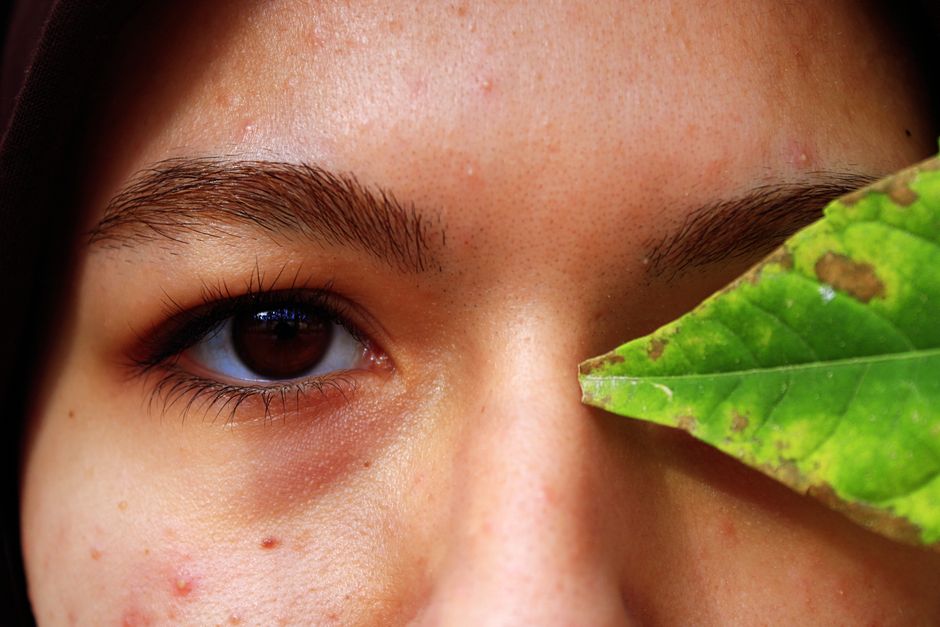
Dry, flaky skin on the eyelids is most often caused by inflammation of the eyelid margins, a condition called blepharitis, or by a form of eczema known as seborrheic dermatitis. The fix depends on the cause: gentle lid hygiene and warm compresses help blepharitis, while fragrance-free moisturizers and avoiding irritants help eczema. Because the eyelid skin is the thinnest on the body, it reacts faster and more visibly than skin elsewhere.
Why Is The Skin On Eyelids So Sensitive?
Eyelid skin is roughly the thinnest skin on the human body, measuring well under a millimeter thick. It has very little subcutaneous fat and few oil glands compared to the rest of the face. That structure makes it a poor barrier against irritants and allergens.
When something triggers inflammation, the eyelids swell and flake easily. They also absorb topical products more readily than thicker skin, which is why a cream that causes no reaction on your arm can cause a reaction on your lid. This is also why the eyelid is a common first place people notice reactions to new cosmetics, nail polish, or hair dye.
One point worth knowing: the flakes you see on your lids may not originate there. Blepharitis often involves the meibomian glands, tiny oil-producing glands along the lid margin. When those glands become blocked or inflamed, the lid margin crusts and flakes. Treating only the visible flakes without addressing the lid margin usually fails.
What Are The Most Common Causes Of Flaky Eyelids?
Four conditions account for most cases: blepharitis, seborrheic dermatitis, atopic dermatitis, and contact dermatitis. Each looks slightly different and responds to different approaches.
- Blepharitis — inflammation of the lid margins. Flakes and crusts tend to collect at the base of the eyelashes, especially on waking. It often affects both eyes.
- Seborrheic dermatitis — oily, yellowish flakes, often with redness. It frequently appears alongside dandruff or flaking in the eyebrows and along the hairline.
- Atopic dermatitis (eczema) — dry, itchy, scaly patches. People with a history of eczema, asthma, or hay fever are more prone to it.
- Contact dermatitis — a reaction to something touching the skin. It can be allergic or simply irritant. Common culprits include eye makeup, mascara, eyelash glue, sunscreen, and preservatives in eye drops.
Less common causes include psoriasis, rosacea affecting the eyes, and infections. If flaking is one-sided, painful, or comes with vision changes, that pattern points away from simple dryness and toward something that needs a clinician’s eyes.
How To Get Rid Of Dry Flaky Skin On Eyelids
The single most effective home measure for blepharitis-related flaking is consistent eyelid hygiene. Warm compresses soften the crusts and the oil in the lid glands; gentle cleansing removes debris without scrubbing the skin raw.
A typical routine used in clinical practice:
- Apply a warm, clean compress to closed eyes for several minutes. A washcloth soaked in warm — not hot — water works. Rewarm it as it cools.
- Gently wipe the lid margin along the base of the lashes with a clean cloth, cotton pad, or a commercially available eyelid wipe. Use a fresh wipe for each eye.
- Repeat once or twice daily during a flare. Many people continue once daily afterward to keep symptoms from returning.
For dry, eczema-type flaking, the priority is barrier repair and removing triggers. A fragrance-free, dye-free moisturizer or ointment applied to the lid skin — not inside the eye — can help. Plain petrolatum is often recommended because it has few ingredients and low irritation potential.
What not to do: do not scrub hard, do not use exfoliating acids or retinoids on the lids, and do not apply steroid creams near the eye unless a clinician has specifically prescribed one for that area. Steroids can thin skin that is already thin, and prolonged use around the eye carries risks including raised eye pressure and glaucoma.




Which Products Help And Which Make It Worse?
Ingredient choice matters more on the eyelid than almost anywhere else. The goal is fewer ingredients, not more.
Products generally considered gentle for eyelid skin:
- Fragrance-free and dye-free moisturizers and ointments
- Plain petrolatum or mineral oil
- Hypoallergenic, preservative-light eyelid cleansers made for lid hygiene
- Preservative-free artificial tears if dryness is part of the picture
Products that commonly worsen eyelid flaking:
- Waterproof mascara and long-wear eye makeup, which require harsh removers
- Anything with added fragrance, including some “natural” or botanical products
- Nail polish and gel manicures — allergens can transfer from fingers to lids
- Alcohol-based toners and astringents
If you suspect a product is the trigger, the practical test is to stop it completely for a few weeks and see whether the lids improve. Contact dermatitis from a product you have used for years can still develop, because allergic sensitization can happen at any time.
When Should You See A Doctor?
See a clinician if the flaking does not improve after a few weeks of consistent lid hygiene, or if any of the following appear:
- Pain, significant swelling, or a red, hot eyelid
- Vision changes, blurring, or sensitivity to light
- Discharge that is thick, colored, or one-sided
- A stye or chalazion that does not resolve
- Flaking that spreads to other parts of the face or body
An eye care professional can distinguish blepharitis from eczema, infection, or something else. That distinction changes treatment. Blepharitis sometimes needs prescription treatment for an underlying bacterial or skin condition, and eyelid inflammation that goes untreated can, over time, affect the tear film and the surface of the eye.
There is no single cure that resolves every case of eyelid flaking. Most people manage it with ongoing lid care rather than eliminating it permanently. That is an honest expectation to set, because the condition tends to be chronic and fluctuating rather than a one-time problem.
Does Diet Or Lifestyle Play A Role?
The evidence linking diet to eyelid flaking specifically is limited. Seborrheic dermatitis has been associated with the same yeast (Malassezia) that plays a role in dandruff, and some research suggests the condition runs in families, but diet is not an established cause.
What does have support is managing related conditions. If you have dandruff, treating the scalp can reduce flaking elsewhere, since seborrheic dermatitis often affects multiple oily areas at once. If you have rosacea, avoiding known triggers for that condition may help the eyes too. Sleep, stress, and general skin care habits can influence how reactive the skin is, though the direct evidence for eyelid flaking is not strong.
Some people find that omega-3 intake helps with dry eye symptoms. The evidence here is mixed, and no clinical guideline recommends a specific dose for eyelid flaking. If you are considering a supplement, that is a conversation to have with your clinician rather than a self-directed fix.
Can Flaky Eyelids Be Prevented?
Prevention focuses on reducing irritation and keeping the lid margins clean. For people prone to blepharitis or seborrheic dermatitis, a maintenance routine — daily or every-other-day lid hygiene — often keeps symptoms quieter than treating only during flares.
For those with sensitive or eczema-prone skin, the prevention strategy is avoidance. Track what touches your eyes: makeup, remover, moisturizer, sunscreen, eye drops, even the shampoo running down your face in the shower. Removing one recurring irritant can resolve a problem that has resisted treatment for months.
Replace eye makeup every few months, never share eye products, and remove eye makeup gently before bed. These steps reduce both irritation and the risk of infection, which can complicate an already inflamed lid.
Frequently Asked Questions
Can dry flaky eyelids go away on their own?
Mild cases from a temporary irritant often clear once the trigger is removed. Chronic conditions like blepharitis and seborrheic dermatitis usually need ongoing management rather than resolving on their own.
Is Vaseline safe to put on eyelids?
Plain petrolatum is widely used on eyelid skin because it has few ingredients and low irritation potential. Apply it to the lid skin only, not inside the eye, and stop if it causes any reaction.
What causes flaky skin on eyelids in the morning?
Crusting that is worst on waking is typical of blepharitis, where debris and oil collect along the lid margin overnight. Warm compresses and gentle lid cleaning are the standard first steps.
Should I use hydrocortisone cream on my eyelids?
Only if a clinician has specifically prescribed it for that area. Eyelid skin is very thin, and prolonged steroid use near the eye carries real risks, including skin thinning and raised eye pressure.
