
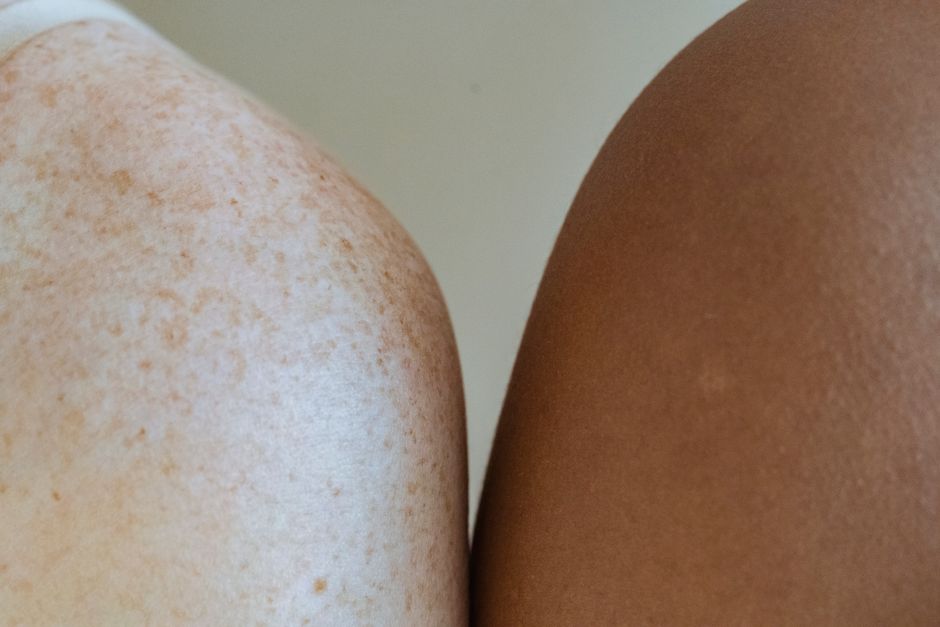
Microneedling can leave skin looking darker before it looks better. This is a common concern, and it is usually temporary. The darkening you see is often part of the skin’s natural healing process, not a sign that the treatment failed. In most cases, the discoloration fades within a few weeks as your skin repairs itself.
Why Does Microneedling Cause Skin to Look Darker?
There are a few distinct reasons your skin may appear darker after microneedling. Understanding which one applies to you matters because the fix depends on the cause.
The most common reason is inflammation. Microneedling creates tiny, controlled wounds in the skin. Your immune system responds by sending blood and fluid to the area. This process, called post-inflammatory hyperpigmentation (PIH), is a direct result of that inflammation. The skin produces extra melanin in response to the injury, which shows up as dark patches.
A second reason is iron staining. If the needle used during your procedure was not high quality, or if the treatment was performed incorrectly, tiny particles of metal can be left behind in the skin. This appears as small dark specks rather than broad patches.
Finally, you might be seeing a temporary darkening that is not hyperpigmentation at all. The micro-injuries cause a crust or scab to form. These scabs are often darker than your normal skin tone. They look alarming, but they are simply the top layer of skin healing. Once they flake off, the fresh skin underneath is usually lighter.
Who Is Most Likely to Develop Hyperpigmentation After Microneedling?
Your skin tone plays a major role in your risk. People with darker skin, specifically Fitzpatrick skin types IV through VI, produce more melanin. That means they are more likely to develop PIH after any skin injury, including microneedling.
However, darker skin is not the only risk factor. Sun exposure before or after treatment increases the risk significantly. If your skin is already tan or sun-exposed, the melanocytes are active and more likely to overreact to the needle injury.
Hormonal changes also matter. Pregnancy, birth control pills, and other hormonal shifts can make skin more prone to darkening. Some research suggests that people with a history of melasma should proceed with caution, as microneedling can trigger a flare.
Your technician’s skill level matters too. Deeper needle penetration causes more inflammation. More inflammation means a higher risk of pigment changes. A conservative treatment depth is always safer for darker skin tones.
How Long Does the Darkening Last?
The duration depends on the cause. If you are seeing scabs or crusting, those typically resolve within 5 to 7 days. Once the crust falls off, the skin underneath may look pink for a few days before returning to a normal tone.
Post-inflammatory hyperpigmentation takes longer. It can take several weeks to fade. In some cases, it may take up to three months. The pigment is not permanent, but it requires patience and consistent care to resolve.
If you suspect iron staining, the timeline is different. Those specks may not fade on their own. They often require a professional to remove them, sometimes with a small procedure to lift the particles out of the skin.
If your skin is still noticeably darker after three months, you should return to your provider. This is not normal healing. It may indicate that the treatment was too aggressive for your skin type, or that a different underlying issue is at play.





What Can You Do to Help the Darkening Fade Faster?
Your first step is to protect the skin from further irritation. Sun exposure will make hyperpigmentation worse. Use a broad-spectrum sunscreen with an SPF of 30 or higher every day, even if you are indoors most of the time. Windows do not block all UV rays.
Keep your skincare routine minimal for the first week. Avoid active ingredients like retinol, glycolic acid, and vitamin C immediately after treatment. These can irritate healing skin and worsen inflammation. Stick to a gentle cleanser and a simple moisturizer until the skin barrier has repaired.
After the first week, you can introduce pigment-fighting ingredients. Look for products containing niacinamide, kojic acid, or azelaic acid. These ingredients work by interrupting melanin production. Some research supports their use for hyperpigmentation, though results vary from person to person.
Hydroquinone is a stronger option. It is available over the counter in low concentrations and by prescription in higher ones. It is effective, but it should be used under the guidance of a dermatologist. Long-term use has risks, and it is not appropriate for everyone.
Do not pick at scabs or peel the skin. This is one of the most important rules. Pulling off a scab early exposes immature skin underneath. That skin is more vulnerable to inflammation, which can trigger even more pigment production.
Can You Safely Continue Microneedling If Your Skin Darkens?
You should pause treatments until the pigmentation fully resolves. Continuing microneedling on skin that is already hyperpigmented can make the problem worse. The needles will trigger another inflammatory response on top of the existing pigment.
Once your skin has returned to its normal tone, you can consider another session, but adjustments should be made. Your provider should use a shallower needle depth. They may also suggest a longer interval between sessions. Some clinicians recommend waiting at least six to eight weeks between treatments for darker skin tones.
There is also a difference between medical microneedling and at-home derma-rolling. At-home devices use shorter needles and are less invasive. They still carry a risk of hyperpigmentation, especially if you press too hard or use them too often. If you have a history of PIH, discuss at-home use with a dermatologist before starting.
When Should You See a Dermatologist?
See a dermatologist if the darkening is severe, spreading, or not improving after two to three months. You should also seek professional advice if the darkening is accompanied by pain, oozing, or significant swelling. These symptoms may indicate an infection or an allergic reaction, not just normal healing.
A dermatologist can determine the exact type of pigmentation you have. They may use a tool called a Wood’s lamp to examine the skin. This helps them distinguish between pigment in the epidermis, which is easier to treat, and pigment deeper in the dermis, which is more stubborn.
They can also offer prescription treatments. These may include stronger hydroquinone, topical corticosteroids to reduce inflammation, or procedures like chemical peels or laser therapy. In-office treatments are not a quick fix, but they are often more effective than over-the-counter products for stubborn pigmentation.
Can You Prevent Darkening Before Your Next Treatment?
Yes, prevention is more effective than treatment. Start by preparing your skin at least two weeks before your appointment. Use a gentle skincare routine that supports the skin barrier. Avoid harsh exfoliants and any procedure that causes peeling.
Sun protection is non-negotiable. Use sunscreen daily for at least two weeks before and after your treatment. If you are planning a vacation in the sun, reschedule your microneedling appointment. Do not get the treatment if you have a tan or sunburn.
Tell your provider about any history of hyperpigmentation, melasma, or unusual reactions to skin procedures. This information should change how they perform your treatment. A responsible provider will adapt their technique based on your skin’s history.
Some dermatologists recommend pre-treating with a brightening agent like hydroquinone or azelaic acid for a few weeks before the procedure. This is not a universal protocol, but some evidence supports it as a way to reduce post-inflammatory pigmentation. Ask your provider whether this approach is right for your skin.
Frequently Asked Questions
Is it normal for skin to look darker after microneedling?
Yes, temporary darkening is common and usually part of the healing process. It is most often caused by inflammation or scabbing, and it typically fades within a few weeks.
How long does hyperpigmentation last after microneedling?
Post-inflammatory hyperpigmentation can take several weeks to up to three months to fade. If it lasts longer than three months, see a dermatologist.
Can I use vitamin C after microneedling to lighten dark spots?
Wait at least one week before using vitamin C or other active ingredients. Applying them too early can irritate healing skin and worsen pigmentation.
Should I stop microneedling if my skin gets darker?
Yes, pause treatments until the pigmentation fully resolves. Continuing treatment can make the darkening worse.
