
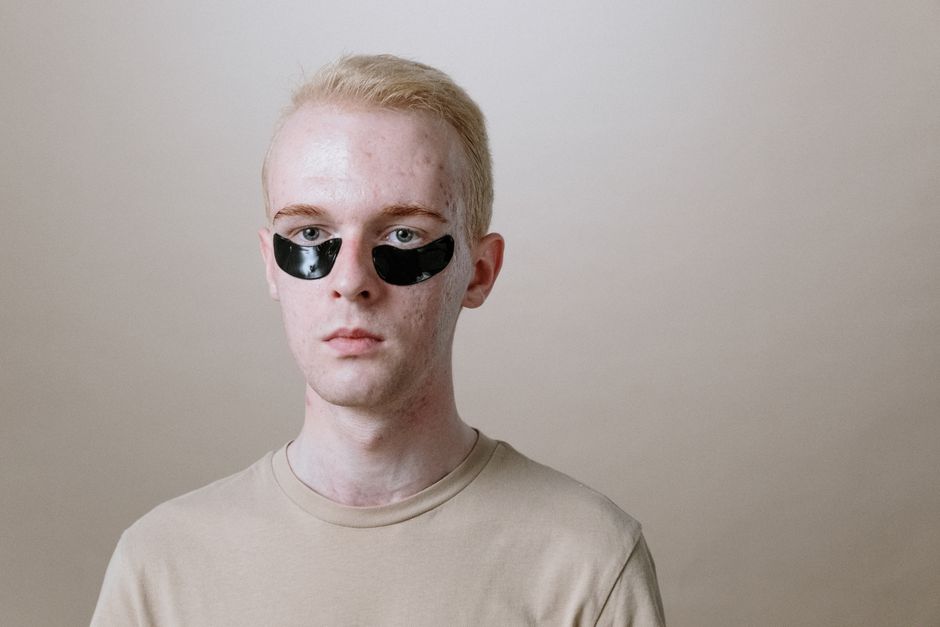
Dark acne scars can linger for months or even years after the pimple itself is gone. The good news is that most of them fade over time, and there are effective ways to speed that process up. The key is understanding what type of mark you have, because treatment depends on whether the discoloration is a flat dark spot or an actual indented scar. For flat dark spots, called post-inflammatory hyperpigmentation (PIH), topical ingredients and sun protection are the main tools. For indented scars, at-home creams will not fix them; you need professional dermatological procedures.
What Causes Dark Acne Scars?
Dark marks after acne are not true scars in the tissue sense. They are a pigment response. When your skin is inflamed from a pimple, it triggers melanocytes — the cells that produce pigment — to overproduce melanin. The result is a flat, darkened patch of skin that sits exactly where the pimple was.
This is called post-inflammatory hyperpigmentation. It is more common and more pronounced in people with darker skin tones, including Fitzpatrick skin types III through VI. The inflammation from acne triggers more pigment production in these skin types, and the marks tend to last longer.
True acne scars are different. They are permanent changes to the skin’s texture, like pits or rolling depressions. These happen when the inflammation destroys collagen and the skin heals with a loss of tissue. Topical creams cannot rebuild that lost tissue in a meaningful way. Only procedures like lasers, microneedling, or chemical peels can stimulate collagen remodeling.
Knowing which one you have matters. If the mark is flat and only a color change, it will fade. If it is a depression or a raised bump, it will not go away with the same treatments.
How To Get Rid of Dark Acne Scars with Sun Protection
Sun exposure is the single biggest factor that makes dark spots worse. UV light stimulates melanocytes just like inflammation does. If you treat a dark spot but do not protect it from the sun, the spot will darken again or fail to fade.
Use a broad-spectrum sunscreen with SPF 30 or higher every day. This is not optional. Apply it as the last step of your morning routine, and reapply if you spend extended time outdoors. Sunscreen prevents new pigment from forming while your existing treatments work on the current spots.
This step is so important that dermatologists consider it part of treatment, not prevention. Skipping sunscreen is the most common reason dark spots do not fade despite expensive creams and procedures.
Topical Ingredients That Fade Dark Spots
Several over-the-counter and prescription ingredients have solid evidence for fading flat dark spots. They work by blocking melanin production, speeding up cell turnover, or both.
- Vitamin C (L-ascorbic acid): An antioxidant that inhibits melanin production. It also brightens overall skin tone. Look for formulations with 10-20% concentration.
- Niacinamide: A form of vitamin B3 that blocks pigment transfer from melanocytes to skin cells. Studies show it is effective at lightening dark spots with minimal irritation.
- Retinoids: Prescription tretinoin and over-the-counter retinol speed up cell turnover. They push out pigmented cells faster and reveal fresher skin underneath. They also help with active acne, which prevents new spots.
- Azelaic acid: Available over-the-counter at lower strengths and by prescription at 15-20%. It reduces pigment production and also treats acne bacteria.
- Kojic acid and licorice extract: Both inhibit tyrosinase, an enzyme needed for melanin production. They are common in brightening serums but are generally weaker than the options above.
These ingredients take time. Expect to use them consistently for 8-12 weeks before seeing noticeable lightening. If you see no change after three months, consider adding a prescription option or seeing a dermatologist.
Do not use multiple strong actives at once. Combining retinoids, vitamin C, and acids in the same routine can cause irritation. Irritation triggers more inflammation, which triggers more pigment. Start with one active, and add others gradually.





Chemical Peels and Professional Treatments
For dark spots that do not respond to topical products, professional treatments are the next step. These are performed in a dermatologist’s office and produce faster, more dramatic results.
Chemical peels use acids like glycolic acid, salicylic acid, or mandelic acid to remove the top layers of skin. The new skin that replaces it is lighter and more even. A series of peels is usually needed, spaced several weeks apart. Deeper peels work better but come with longer downtime and higher risk of complications in darker skin tones.
Laser and light therapies target pigment directly. Intense pulsed light (IPL) and Q-switched lasers break up melanin clusters in the skin. Fractional lasers also resurface the skin and improve texture. These are effective but expensive, and they require a skilled provider who knows how to treat darker skin safely.
Microneedling, which creates tiny wounds in the skin to stimulate collagen, is primarily for indented scars. It can also help with pigment because the skin remodels and turns over. Some dermatologists combine microneedling with topical brightening agents for enhanced results.
These procedures are not interchangeable. A dermatologist needs to assess your skin type, the type of marks you have, and your tolerance for downtime before recommending a specific treatment. There is no one-size-fits-all laser or peel.
What Does Not Work for Dark Acne Scars
Many products and home remedies claim to fade dark spots but have no evidence behind them. Some can make things worse.
Lemon juice is a common DIY remedy. It is highly acidic and can irritate skin, which worsens inflammation and darkens spots. The same applies to toothpaste, baking soda, and other abrasive pastes. These are not treatments.
Tooth whitening strips and other products with hydrogen peroxide are sometimes used on dark spots. They can cause chemical burns and permanent skin damage. Do not use them on your face.
Products labeled as “skin lighteners” that contain hydroquinone are regulated. Hydroquinone is effective and available by prescription. However, unregulated products from overseas or online marketplaces may contain mercury or steroids, which are dangerous. Only use hydroquinone under a dermatologist’s supervision.
How Long Does It Take for Dark Acne Scars to Fade?
Flat dark spots fade on their own eventually, but it takes time. The timeline depends on your skin tone, the severity of the inflammation, and your sun exposure.
For people with lighter skin, spots may fade in three to six months. For deeper skin tones, they can take six to twelve months or longer. With consistent use of topical treatments and strict sun protection, that timeline can be shortened.
Indented scars do not fade. They are permanent without professional intervention. If you have a pitted scar, no cream, serum, or oil will fill it in. Accepting this early can save you money and frustration.
Consistency matters more than any single product. A simple routine with sunscreen, one or two active ingredients, and patience will outperform a complicated routine with many products used sporadically.
When To See a Dermatologist
You should see a dermatologist if you have tried over-the-counter treatments for three months without improvement. You should also see one if you are unsure whether your marks are pigment or true scars, or if you have darker skin and want to explore professional treatments safely.
A dermatologist can also rule out other conditions. Sometimes what looks like a dark acne scar is actually a different condition, such as melasma or a skin growth. Treating the wrong condition wastes time and money.
If you have active acne, treating it is part of preventing new dark spots. Every new pimple has the potential to leave another mark. A dermatologist can prescribe treatments that control acne while you work on fading existing spots.
Frequently Asked Questions
Can dark acne scars be removed completely?
Flat dark spots can fade significantly and often completely with time, sunscreen, and topical treatments. Indented scars cannot be removed completely, but professional procedures can improve their appearance.
What is the fastest way to fade dark acne scars?
Prescription-strength retinoids combined with daily sunscreen use is the fastest at-home approach. In-office treatments like chemical peels or lasers produce faster results than any topical product.
Does vitamin C help with dark acne scars?
Yes, vitamin C in the form of L-ascorbic acid blocks melanin production and can lighten dark spots. It works best when used consistently for at least eight weeks alongside sun protection.
Are dark acne scars permanent?
Flat dark spots are not permanent and fade over months with proper care. Indented scars are permanent changes to skin texture and require professional treatment to improve.
