
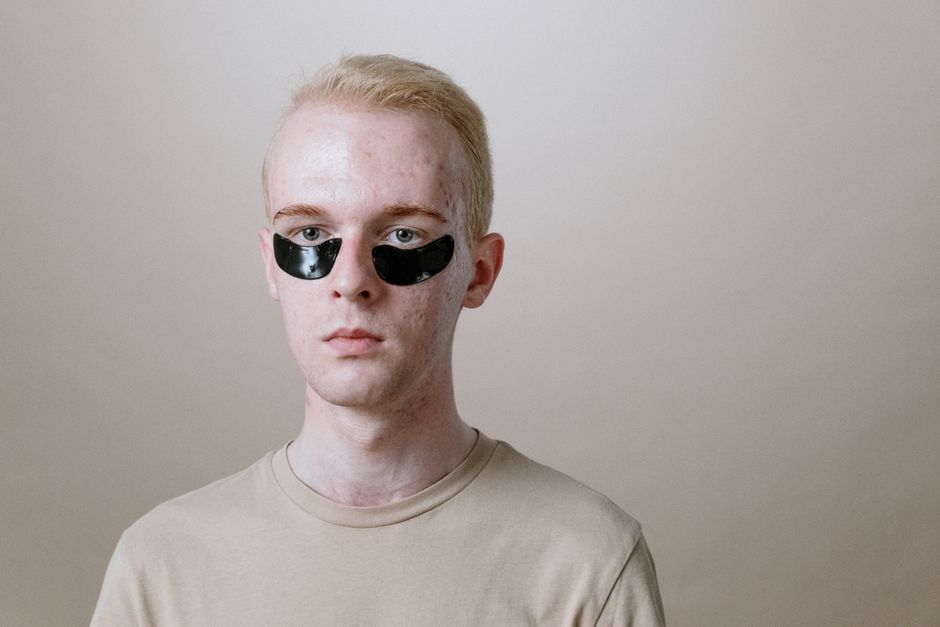
Acne scars form when the skin’s deeper layers are damaged during a severe breakout and the healing process does not go perfectly. The result can be an indented scar, a raised scar, or discoloration that lingers long after the pimple itself is gone. Understanding exactly how these scars develop is the first step in knowing which treatments might actually help and which ones are just marketing noise.
How Acne Scars Form Indented Raised And More
When you get a pimple, your skin sends white blood cells to fight the bacteria. This causes inflammation. If the inflammation is deep enough, it destroys the skin’s collagen — the protein that gives skin its structure and firmness.
After the inflammation clears, your skin tries to repair the damage. It lays down new collagen to patch the wound. When that repair process goes wrong, you get a scar.
Indented scars happen when too little collagen is produced during healing. The skin can’t fully fill the gap left by the destroyed tissue, so it heals as a depression or pit in the skin.
Raised scars happen when the body produces too much collagen. Instead of filling the wound flush with the surrounding skin, the extra collagen pushes upward, creating a bump.
This is why the same underlying condition — acne — can produce two completely different types of scars in different people. It comes down to how each individual’s skin responds to injury and inflammation.
What Determines Whether You Get Indented or Raised Scars?
The type of scar you develop depends on several factors that are largely out of your control. Genetics plays a significant role. Some people’s skin simply overproduces or underproduces collagen in response to injury.
Indented scars are far more common on the face. They account for the majority of acne scars dermatologists treat. Raised scars are more likely to appear on the chest, back, and shoulders — areas where the skin is thicker and under more tension.
The depth of the original inflammation also matters. Superficial pimples that heal quickly rarely leave permanent scars. The deeper and more inflamed the acne lesion, the more likely it is to damage collagen and leave a lasting mark.
Your age is another factor. Younger skin tends to heal faster and more efficiently. As you age, collagen production naturally slows down, which can affect how well your skin repairs itself after an acne breakout.
The Three Types of Indented Acne Scars
Dermatologists classify indented scars into three main categories. Knowing which type you have matters because different treatments work better for different scar shapes.
Ice pick scars are narrow, deep pits that look like the skin was punctured with a sharp instrument. They extend deep into the dermis and are often the hardest to treat. They typically form on the cheeks and forehead.
Boxcar scars are wider depressions with sharp, defined edges. They look like someone pressed a cookie cutter into the skin. They can be shallow or deep and are common on the cheeks and temples.
Rolling scars are broad, shallow depressions with sloping edges. They give the skin an uneven, wavy appearance. Rolling scars form when fibrous bands of tissue tether the skin down to deeper layers, pulling the surface inward.
Many people have a combination of these scar types. A dermatologist can identify which types are present and recommend treatment accordingly.
-
 How To Get Rid Of Dark Acne Scars For Good? Key Facts
 -
Does Toner Get Rid Of Acne Scars Or Dark Marks?
-
Can Pitted Acne Scars Heal Naturally What Actually Works?
-
Does Minocycline Help Acne Scars Or Just Active Acne?
-
PrimeBiome Reviews: A 2025 Critical Analysis, Real Results, Side Effects, and Is It a Scam?





Raised Scars: Hypertrophic and Keloid Scars
Raised scars from acne are less common than indented ones, but they can be more challenging to treat. They fall into two categories.
Hypertrophic scars are raised bumps that stay within the boundaries of the original wound. They may fade and flatten somewhat over time, though this can take years.
Keloid scars grow beyond the original wound area, spreading into surrounding healthy skin. They can continue to grow for months or even years after the original acne lesion has healed. Keloids are more common in people with darker skin tones and often run in families.
Both types of raised scars are caused by an overproduction of collagen during healing. The body essentially keeps building scar tissue even after the wound has closed.
Post-Inflammatory Hyperpigmentation: Not a True Scar
Many people think they have acne scars when they actually have post-inflammatory hyperpigmentation, often shortened to PIH. This is the flat, dark or red mark left behind after a pimple heals.
PIH is not a scar in the structural sense. It is excess pigment deposited in the skin during the inflammatory response. The skin’s surface texture remains completely normal — the mark is purely a color change.
This distinction matters because PIH responds to different treatments than true scars. PIH often fades on its own over several months. Sun protection is essential during this time because UV exposure can darken the marks and make them last longer.
True scars, whether indented or raised, do not fade on their own. They represent permanent changes to the skin’s structure and require active treatment to improve.
Which Treatments Have Real Evidence Behind Them?
No treatment can completely erase an acne scar. Every option improves appearance to some degree, but none restores skin to its pre-acne state. Be wary of any product that promises otherwise.
For indented scars, the treatments with the strongest evidence are procedures performed by dermatologists:
- Laser resurfacing removes the top layer of skin and stimulates new collagen production in the deeper layers.
- Microneedling creates tiny controlled wounds that trigger the skin’s natural collagen repair response.
- Subcision uses a needle to break the fibrous bands that cause rolling scars, releasing the skin so it can sit higher.
- Chemical peels remove damaged outer layers of skin to smooth shallow scars.
- Dermal fillers can temporarily lift depressed scars by adding volume beneath them.
For raised scars, treatment options include corticosteroid injections to flatten the scar, silicone sheets or gels, and cryotherapy to freeze and reduce scar tissue. Laser treatments can also help flatten and soften raised scars.
The evidence for over-the-counter scar creams is limited. Most contain ingredients like silicone, vitamin E, or onion extract. Silicone has the strongest evidence for preventing and improving raised scars. The evidence for vitamin E and onion extract is weak and inconsistent.
When to See a Dermatologist
If your acne scars affect how you feel about your appearance, or if they are getting worse over time, a dermatologist can help. They can accurately diagnose your scar type and recommend treatments based on your specific skin.
It is also worth treating active acne before addressing scars. New breakouts create new damage. Most dermatologists recommend getting acne under control first, then focusing on scar treatment. Treating scars while acne is still active is often less effective because new inflammation can undo some of the progress.
Realistic expectations matter. Scar treatments typically require multiple sessions spaced weeks apart. Improvement is gradual, and results vary significantly between individuals. A good dermatologist will be honest about what you can expect rather than promising dramatic transformation.
Can You Prevent Acne Scars?
Prevention is more effective than treatment. The most reliable way to prevent acne scars is to prevent acne itself, or at least to treat breakouts early before they become deeply inflamed.
The single most important habit is not picking or squeezing pimples. Picking forces inflammation deeper into the skin and increases the chance of collagen damage. It also introduces bacteria from your fingers into the wound, which can prolong healing.
Treating acne early with proven methods — whether over-the-counter benzoyl peroxide or prescription medications — reduces the duration and severity of inflammation. Shorter, milder inflammatory periods mean less opportunity for collagen damage.
Sun protection also plays a role. UV exposure darkens hyperpigmentation and can impair the skin’s natural healing processes. Daily sunscreen use is one of the few habits with clear evidence for improving overall skin appearance over time.
Frequently Asked Questions
Can acne scars go away naturally?
True indented and raised scars do not go away on their own because they involve permanent changes to the skin’s collagen structure. Flat discoloration marks, called post-inflammatory hyperpigmentation, often do fade naturally over several months.
What is the best treatment for indented acne scars?
Laser resurfacing and microneedling have the strongest evidence for improving indented scars by stimulating new collagen production. A dermatologist should evaluate your specific scar type because ice pick, boxcar, and rolling scars respond differently to each treatment.
How long does it take for acne scars to fade?
Flat red or brown marks from acne typically fade within 3 to 6 months with consistent sun protection. Indented and raised scars are permanent structural changes that require active treatment to improve, and visible results from procedures usually take several sessions over many months.
Does picking pimples cause scars?
Picking and squeezing pimples forces inflammation deeper into the skin and increases the likelihood of collagen damage that leads to permanent scarring. It also introduces bacteria from your fingers, which can prolong healing and worsen the final result.
