
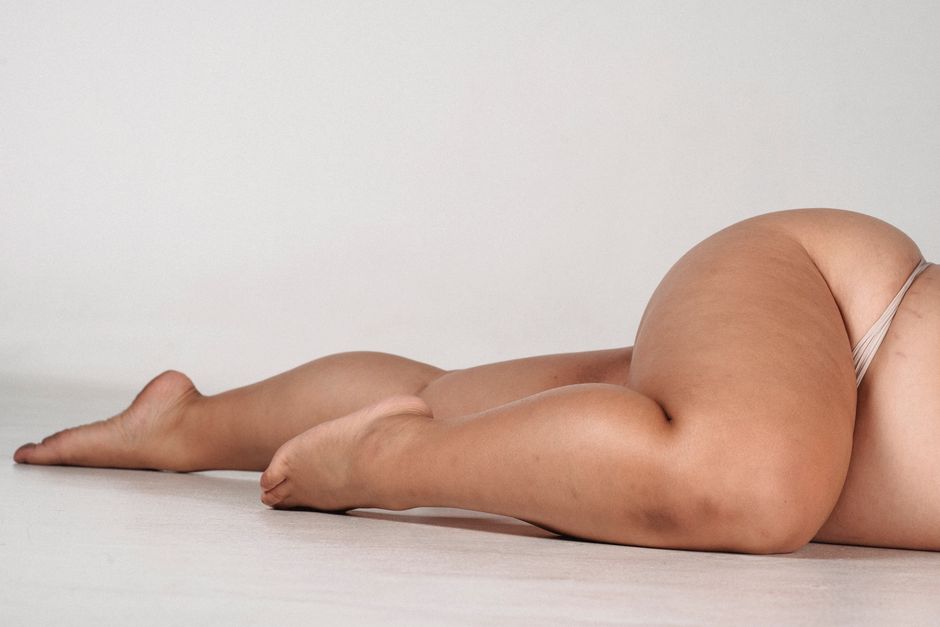
“Cottage cheese thighs” is not a medical term. It is a nickname for the dimpled skin on the upper legs that many people notice in the mirror. The dimpling happens when fat pushes against the connective tissue under the skin. That tissue pulls tight in some spots and loosens in others, creating the bumpy look. The honest answer to what works is this: reducing overall body fat and building muscle in the legs can visibly improve the appearance, but no cream, brush, or exercise can completely erase the dimples. Genetics largely determine how your skin looks, and some people have more visible dimpling no matter what they do.
What Actually Causes Cottage Cheese Thighs?
Cellulite forms in the layer of fat just beneath the skin. That fat sits in chambers separated by bands of connective tissue called septae. In women, these bands run vertically. When fat expands, it pushes up against the bands, and the bands pull down. The result is the classic dimpled, uneven surface.
Hormones play a role too. Estrogen influences fat storage, blood flow, and collagen production. As estrogen levels change over a lifetime, the skin can become thinner and less elastic. Thinner skin makes the underlying fat more visible. This is why cellulite often becomes more noticeable with age even if body weight stays the same.
Genetics are the strongest single factor. If your mother and grandmother have visible cellulite, you likely will too. Body fat percentage matters, but even lean women have cellulite. Studies consistently show that a large percentage of women have some degree of cellulite regardless of fitness level.
Does Losing Weight Reduce Cottage Cheese Thighs?
Yes, but with important limits. Reducing overall body fat shrinks the fat cells pushing against the connective tissue. When those cells get smaller, the skin surface becomes smoother. For many people, weight loss is the most effective single step they can take.
Spot reduction does not work. You cannot target fat loss to the thighs by doing leg exercises alone. Fat loss happens throughout the body based on genetics, hormones, and overall energy balance. Your body decides where it loses fat first, and you do not control that order.
A calorie deficit is required. To lose fat, you must consistently consume fewer calories than your body burns. The rate of visible change varies widely. Some people notice thigh changes within weeks. Others lose weight everywhere else first and see thigh changes last. This is genetic, not a sign that you are doing something wrong.
One caution: rapid weight loss can make cellulite look worse temporarily. When fat shrinks quickly, the skin may not tighten at the same speed. The dimples can appear deeper during the transition. Slow, steady weight loss gives the skin more time to adjust.
Which Exercises Actually Help?
Building muscle in the legs and glutes changes the shape of the thigh. More muscle mass fills out the area and creates a smoother contour. Muscle also raises your resting metabolic rate, which helps with overall fat loss.
The most effective exercises are compound movements that work multiple muscle groups at once. Squats, lunges, step-ups, and hip thrusts all target the glutes and thighs directly. Deadlifts and leg presses add load and promote muscle growth.
Progressive overload matters. To build visible muscle, you must gradually increase the weight or resistance over time. Doing the same bodyweight squats forever will not change the shape of your legs. The muscle needs a reason to grow, and that reason is increasing demand.
Consistency beats intensity. Two to three strength sessions per week, focused on the lower body, produce better results than sporadic intense workouts. Muscle growth takes months, not weeks. Expect to train consistently for at least 8 to 12 weeks before you see meaningful changes in thigh shape.
Cardio helps with fat loss but does not directly change the dimpled appearance. Walking, cycling, and swimming burn calories and support the calorie deficit needed for fat loss. They do not tighten skin or change connective tissue structure.





Do Creams and Lotions Work?
Most anti-cellulite creams do not work. The active ingredients in these products—caffeine, retinol, and various plant extracts—are applied to the skin surface. Cellulite forms in the fat layer beneath the skin. No topical product penetrates deeply enough to change fat cell size or connective tissue structure.
Caffeine creams can cause temporary tightening by dehydrating skin cells. The effect lasts hours, not days. Retinol creams may thicken the skin slightly over months of daily use, which can make dimples less visible. But the change is modest, and results disappear when you stop using the product.
No cream has been shown in large clinical trials to permanently reduce cellulite. Marketing claims about “melting fat” or “eliminating dimples” are not supported by evidence. If a product promises dramatic results, treat that claim with skepticism.
Do Massage Devices and Dry Brushing Help?
Massage and dry brushing produce temporary changes at best. These methods increase blood flow to the area and may reduce fluid retention. The skin can look smoother for a few hours afterward. The effect is cosmetic and short-lived.
Some devices use suction or rolling mechanisms to stretch the skin and manipulate the tissue beneath. These can produce visible improvement that lasts for days to weeks with repeated use. But the results are not permanent. The connective tissue returns to its original position, and the dimples reappear.
There is no evidence that any at-home device permanently changes the structure of cellulite. If you enjoy the temporary smoothing effect, there is no harm in using these tools. Just know that the results do not last.
What About Professional Treatments?
Several in-office procedures exist for cellulite, and some have better evidence than others. The strongest evidence supports treatments that physically cut or release the connective tissue bands. These procedures are performed by dermatologists or plastic surgeons and require anesthesia.
Laser and radiofrequency treatments heat the skin and underlying tissue. The heat is intended to stimulate collagen production and thicken the skin. Some studies show visible improvement lasting up to a year. Results vary widely between individuals.
Injectable treatments that break down fat can reduce the fat component of cellulite. These work best for people with a higher percentage of fat in the area. They do not address the connective tissue component.
All professional treatments are expensive and require multiple sessions. None of them permanently cure cellulite. Maintenance treatments are typically needed to sustain results. The evidence for long-term effectiveness is limited, and most studies follow patients for only a year or less.
It is worth noting that many professional treatments are FDA-cleared for improving the appearance of cellulite. Clearance means the device is safe and produces measurable improvement, not that it eliminates the condition entirely. The improvement is usually partial and temporary.
What Actually Works — A Summary
If you want to reduce the appearance of cottage cheese thighs, the evidence points to three things that matter most:
- Overall fat loss through a sustained calorie deficit
- Lower body strength training to build muscle and change thigh shape
- Consistency over months — there are no quick fixes
Everything else — creams, brushes, massagers, and most devices — produces temporary effects at best. Professional treatments offer partial, temporary improvement for those who can afford them.
Accepting that some dimpling may remain is also a valid outcome. Cellulite is a normal variation in human skin structure, not a disease or a sign of poor health. Many people find that focusing on strength, fitness, and overall health matters more than chasing a perfectly smooth thigh.
How To Get Rid Of Cottage Cheese Thighs What Works — The Bottom Line
What works is a combination of reducing body fat and building leg muscle over time. That is the only approach with consistent evidence behind it. Everything else offers temporary cosmetic effects at best.
What does not work is spot reduction, miracle creams, or any device that promises permanent results. If a product sounds too good to be true, it is.
Be patient with your body. Structural changes take months of consistent effort. And remember that genetics set the baseline — some dimpling is entirely normal and not a reflection of your health or effort.
Frequently Asked Questions
Can you get rid of cottage cheese thighs permanently?
No treatment permanently eliminates cellulite. Fat loss and muscle building can visibly reduce it, but the underlying connective tissue structure remains unchanged.
How long does it take to see results from exercise?
Most people see visible changes in thigh shape after 8 to 12 weeks of consistent strength training and a calorie deficit. Individual results vary based on genetics and starting body composition.
Do anti-cellulite creams work?
No cream has been shown to permanently reduce cellulite in large clinical trials. Some products cause temporary skin tightening that lasts only hours or days.
Is cellulite a sign of being unhealthy?
No. Cellulite is a normal variation in skin structure influenced by genetics, hormones, and age. Even highly fit athletes can have visible cellulite.
