
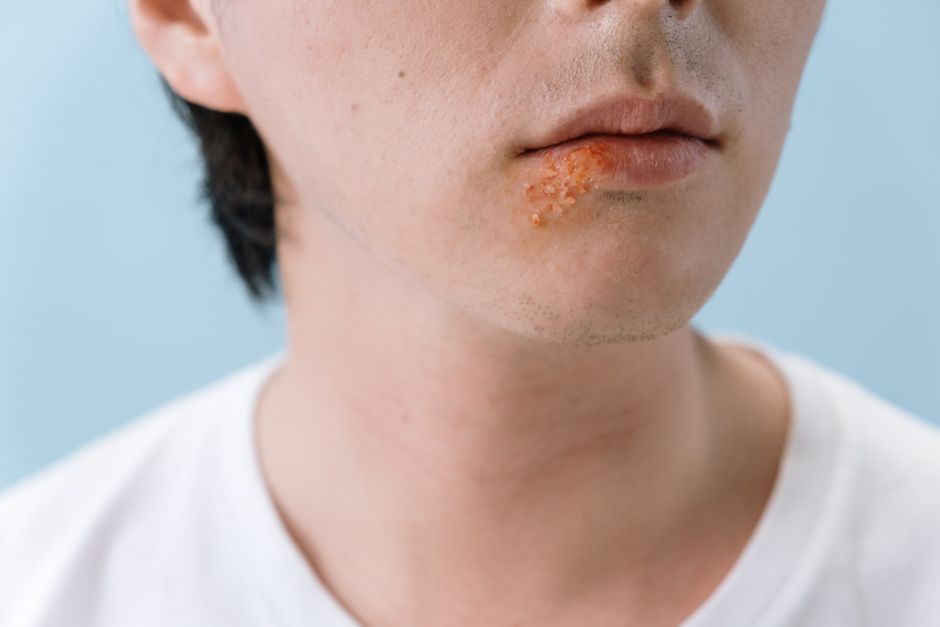
Cold sores, often called fever blisters, are caused by the herpes simplex virus (HSV-1). There is no cure, but you can manage outbreaks effectively. Antiviral medications like acyclovir, valacyclovir, and famciclovir are the most reliable way to shorten healing time and reduce pain. These work best when taken at the first sign of a tingle, burn, or itch. Over-the-counter creams with docosanol can also help. For severe or frequent outbreaks, a doctor may prescribe daily suppressive therapy. Keeping the area clean, avoiding triggers like stress or sun exposure, and using cold compresses can provide relief.
What Causes Cold Sores and How Do They Spread?
Cold sores come from the herpes simplex virus type 1 (HSV-1). Most people get this virus during childhood through close contact like kissing or sharing utensils. Once you have it, the virus stays in your body for life. It lives quietly in nerve cells near your cheekbone. Most of the time it is inactive, but certain triggers wake it up.
Common triggers include stress, illness, fatigue, sunburn, and hormonal changes. A fever or cold can also reactivate the virus, which is why people call them cold sores. The virus spreads easily through direct contact with the sore or the fluid inside it. You can also spread it even when you have no visible sore, though this is less common. This is called asymptomatic shedding.
Research from the World Health Organization estimates that 67% of people under 50 have HSV-1. Many never get symptoms. For those who do, outbreaks usually happen a few times a year. Over time, outbreaks often become less frequent and less severe.
What Is the Fastest Way to Get Rid of a Cold Sore?
The fastest method is prescription antiviral medication taken at the very first sign. That tingle, itch, or burning sensation is your window. Taking valacyclovir or acyclovir within the first 24 hours can stop the sore from forming or cut healing time in half. A study published in the Journal of the American Academy of Dermatology found that early treatment with valacyclovir reduced healing time by about one day compared to placebo.
If you do not have a prescription, over-the-counter docosanol cream (Abreva) is a solid second choice. It works by preventing the virus from entering healthy cells. Apply it five times a day starting at the first tingle. It is not as powerful as prescription pills, but it is the only FDA-approved non-prescription treatment.
Cold compresses can reduce swelling and pain. Apply a clean cloth with cool water for 10 minutes several times a day. Do not put ice directly on the sore. This can damage the skin and slow healing.
Do Home Remedies Like Lemon Balm or Tea Tree Oil Work?
Some home remedies have evidence behind them. Lemon balm extract, for example, has been studied for its antiviral effects against HSV-1. A 2019 review in the journal Phytotherapy Research found that lemon balm cream can reduce healing time and prevent recurrence when used early. It is available in creams and ointments at most drugstores.
Tea tree oil has antiviral properties in lab studies. But there is very little good research on it for cold sores in humans. Some people report it helps, but strong evidence is limited. If you try it, dilute it with a carrier oil like coconut oil. Undiluted tea tree oil can burn your skin and make the sore worse.
Lysine supplements are widely claimed to prevent outbreaks. The evidence is mixed. Some small studies suggest lysine may help reduce recurrence, but larger, more rigorous studies have not confirmed this. As of 2026, the National Institutes of Health states that evidence for lysine is insufficient to recommend it. If you take it, know that it is not proven and may not work for you.
Things like garlic, apple cider vinegar, and toothpaste have no clinical evidence behind them. These can irritate the skin and delay healing. Stick with treatments that have actual research backing them.





How To Get Rid Of Cold Sores Without Medication
If you want to avoid medication, you have fewer proven options. The most effective non-medical approach is to manage the outbreak carefully and let it run its course. Cold sores usually heal on their own in 7 to 10 days.
Keep the area clean and dry. Wash gently with mild soap and water. Do not pick at the blister or peel the scab. This can introduce bacteria and cause a secondary infection, which takes longer to heal. It also increases the risk of spreading the virus to other parts of your face or to other people.
Use a lip balm with SPF 30 or higher. Sun exposure is a well-known trigger for cold sores. Protecting your lips can prevent new outbreaks and help current ones heal faster. Avoid acidic or salty foods that can sting the sore. Soft, bland foods are easier to eat while the sore is active.
Rest and stress management matter. Your immune system keeps the virus in check. When you are run down, the virus has an easier time reactivating. Sleep, hydration, and reducing stress can support your body’s natural defenses. This is not a cure, but it can shorten the duration of an outbreak.
| Treatment | Type | Evidence Level | Best Use |
|---|---|---|---|
| Valacyclovir (Valtrex) | Prescription pill | Strong | At first tingle |
| Docosanol (Abreva) | OTC cream | Moderate | Five times daily at onset |
| Lemon balm cream | Herbal topical | Moderate | Early use |
| Lysine supplements | Oral supplement | Weak / Mixed | Prevention (unproven) |
| Cold compress | Home care | Supportive | Pain and swelling |
What Should You Avoid During a Cold Sore Outbreak?
Do not kiss anyone or share personal items like lip balm, towels, razors, or drinking glasses. The virus spreads easily through direct contact. You are contagious from the moment you feel the tingle until the sore is completely healed and the scab falls off. That is usually about 7 to 10 days.
Avoid touching the sore. If you do touch it, wash your hands immediately. Touching your sore and then touching your eye can cause herpes keratitis, a serious eye infection that can damage your vision. This is rare but real.
Do not use steroid creams like hydrocortisone on a cold sore. These suppress the immune response in the skin, which can make the virus spread and the outbreak last longer. A study in the journal Antiviral Research noted that topical steroids can worsen HSV-1 lesions.
Avoid picking or squeezing the blister. This does not speed up healing. It usually makes things worse. The fluid inside the blister contains active virus. Squeezing it out spreads the virus to nearby skin and can create more sores.
When Should You See a Doctor for Cold Sores?
Most cold sores do not need a doctor visit. But some situations do. See a doctor if you have outbreaks that happen more than six times a year. You may be a candidate for daily suppressive therapy, which can reduce outbreaks by 70-80%. The CDC notes that suppressive therapy is safe and effective for people with frequent recurrences.
See a doctor if the sore does not heal within two weeks. This could be a sign of a bacterial infection or another condition. If the sore spreads to other parts of your body, especially your eyes or genitals, get medical attention. Eye involvement can lead to scarring and vision loss if not treated.
People with weakened immune systems, such as those on chemotherapy or with HIV, should see a doctor at the first sign of a cold sore. The infection can be more severe and harder to control in these cases. Pregnant women should also check with their doctor, especially if the outbreak is near delivery.
If you have severe pain, fever, or swollen lymph nodes along with the cold sore, a doctor can prescribe stronger antiviral medication or treat any secondary infection. Do not wait if you are worried. It is better to get checked than to let things get worse.
Frequently Asked Questions
Can you get rid of a cold sore in 24 hours?
No, you cannot fully get rid of a cold sore in 24 hours, but prescription antivirals taken at the first tingle can stop it from forming or greatly reduce its size.
What dries out a cold sore the fastest?
Prescription antiviral pills like valacyclovir are the fastest way to dry out a cold sore. Over-the-counter docosanol cream is the next best option.
Is it better to keep a cold sore moist or dry?
Keep it dry during the blister stage to prevent spread. Once a scab forms, a thin layer of petroleum jelly can prevent cracking and discomfort.
Can toothpaste really get rid of cold sores?
No, there is no clinical evidence that toothpaste helps cold sores. It can irritate the skin and delay healing, so it is best avoided.
