
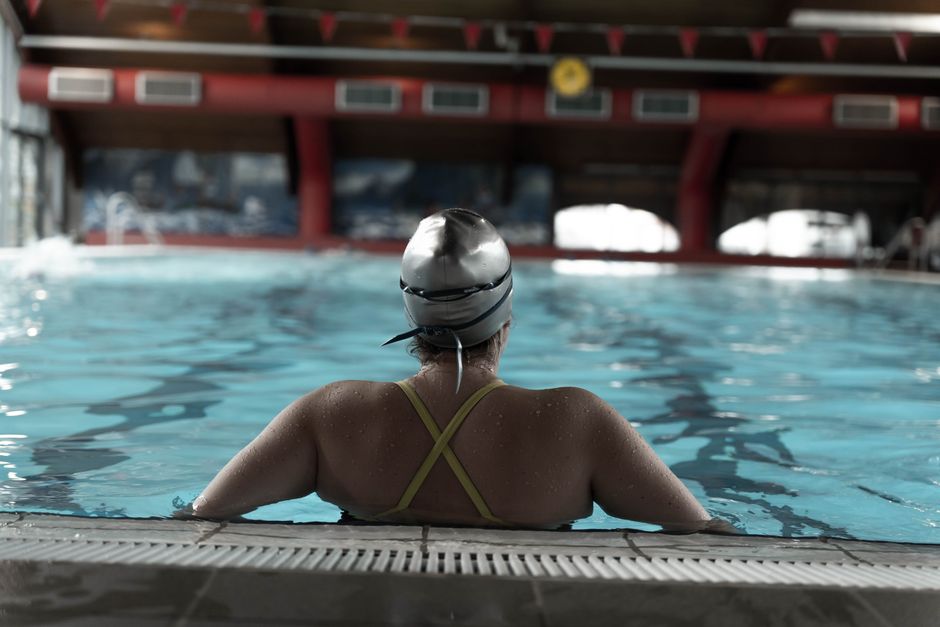
That sharp, chemical smell that lingers after a swim is not actually chlorine itself. It is a byproduct formed when chlorine reacts with sweat, body oils, and urine on your skin. The good news is that this smell does not have to follow you home. You can remove it from your skin, hair, and clothes with a few simple steps, most of which involve ingredients you already have in your kitchen or bathroom. The most effective approach is to break down those chemical compounds before they dry, using vitamin C, acidic rinses, and proper washing techniques.
Why Does Chlorine Smell Stay On Skin And Hair?
The smell you notice after swimming is not chlorine in its pure form. Pure chlorine evaporates quickly. What you smell are chloramines, which are chemical compounds formed when chlorine reacts with nitrogen-containing substances like sweat, body oils, and urine. These chloramines are heavier and stick to skin and hair more readily than chlorine alone. This is why public pools often smell strongly of “chlorine” — the odor usually indicates a high level of these byproducts, not an excess of clean chlorine.
Your skin and hair absorb some of this water, along with the chloramines. When the water evaporates, the compounds remain on your skin and hair, which is why the smell intensifies as you dry off. Hair is especially prone to holding the odor because the hair shaft is porous and can absorb and retain chemicals. The longer these compounds sit on your skin or hair, the harder they are to remove, so rinsing soon after swimming makes a real difference.
How To Get Rid Of Chlorine Smell From Skin
The fastest way to remove chloramines from your skin is to break them down chemically before they dry. Ascorbic acid, which is vitamin C, neutralizes chlorine and chloramines effectively. Many competitive swimmers use a rinse with a small amount of vitamin C powder dissolved in water immediately after swimming. You can mix about one teaspoon of vitamin C powder into a liter of water and use it as a final rinse in the shower. No large clinical trials have standardized this exact ratio, but the chemistry is well established and swimmers have used this method for years.
A simpler approach is to use a body wash that contains vitamin C or to wash with a mild acidic cleanser. Chloramines break down more readily in an acidic environment. A rinse with diluted apple cider vinegar can also help. Mix about one part vinegar with three parts water, apply it to your skin in the shower, leave it for a minute, and rinse thoroughly. The vinegar smell disappears once you dry off and apply your regular products.
If you are in a locker room without access to specialty products, a regular shower with soap and warm water will remove most of the odor. The key is to wash promptly. Waiting several hours gives the chloramines more time to bind to your skin. Moisturizing after washing also helps because chlorine and chloramines can dry out your skin, and dry skin holds onto odors more stubbornly.
How To Get Rid Of Chlorine Smell From Hair
Hair absorbs more chloramine than skin because of its porous structure. A regular shampoo may not be enough, especially if you swim frequently. The most effective method is a two-step process: first remove the chloramines, then restore moisture.
Start by wetting your hair with fresh water before you get into the pool. This pre-soak limits how much chlorinated water your hair can absorb. After swimming, use a clarifying shampoo to break down the chemical residue. Look for shampoos labeled “chelating” or “clarifying” — these are designed to remove mineral and chemical buildup. If you do not have a clarifying shampoo, a small amount of baking soda mixed with your regular shampoo can work. Use about one teaspoon of baking soda per palmful of shampoo. Baking soda is alkaline, which helps lift chloramines from the hair shaft, but it can be drying, so follow with conditioner.
A vinegar rinse is also effective for hair. Dilute one part apple cider vinegar with two parts water, pour it through your hair after shampooing, leave it for a minute, and rinse with cool water. The acid helps break down chloramines and also helps smooth the hair cuticle, which reduces tangling. The vinegar smell fades as your hair dries.
For swimmers who are in the pool several times a week, a dedicated swimmer’s shampoo is worth considering. These products are formulated specifically to remove chlorine and chloramine residue. They tend to be more stripping than regular shampoos, so using a deep conditioning treatment weekly is important to prevent dryness and breakage.





How To Get Rid Of Chlorine Smell From Clothes And Swimsuits
Chlorine odors in fabric are stubborn because the chloramines bind to synthetic fibers, especially the polyester and spandex used in swimwear. Regular detergent may not fully remove the smell. The most reliable method is to rinse the garments in cold water immediately after swimming. Do not let wet swimsuits sit in a bag or hamper, because the chloramines continue to react with the fabric and the smell becomes more embedded.
When you are ready to wash, first soak the items in a solution of cold water and white vinegar — about one cup of vinegar per gallon of water — for 30 minutes. Then wash them in the washing machine on a gentle cycle with your regular detergent. Do not use hot water. Heat can set the chloramine odor into synthetic fibers. Air drying is better than machine drying for swimwear, both to preserve the elastic and to allow any remaining odor to dissipate.
For regular workout clothes that smell of chlorine, the same vinegar soak works well. Adding half a cup of baking soda to the wash cycle can also help neutralize odors. Avoid fabric softeners on swimwear. They coat the fibers and can reduce the elasticity of spandex, and they do not effectively remove chloramine residue.
Does Vitamin C Really Neutralize Chlorine?
Yes, and this is one of the more reliable facts in swim care. Vitamin C, in the form of ascorbic acid, reacts with chlorine and chloramines and neutralizes them. This is the same chemistry used in some water treatment systems and in many pool testing products. When you rinse your skin or hair with a vitamin C solution, the chloramines are converted into compounds that rinse away easily and have little to no odor.
Some commercial post-swim sprays and body washes contain vitamin C for this exact reason. They are not marketing gimmicks. The chemistry is sound. What is less certain is the exact concentration needed for effectiveness. No published clinical guidelines specify a precise ratio for skin or hair rinses. The common practice of using one teaspoon of vitamin C powder per liter of water is based on anecdotal use, not clinical trials. It is reasonable and likely effective, but it is not a medically established dose.
If you prefer not to mix your own solution, look for post-swim products that list ascorbic acid or sodium ascorbate as an ingredient. These are available at swim shops and online. They are generally safe for skin and hair, but if you have sensitive skin, test a small area first.
How Long Does Chlorine Smell Last?
Without treatment, the smell can last for hours or even into the next day. The duration depends on how much chloramine residue remains on your skin, hair, or clothing. If you shower with plain water, you remove some of the residue, but not all of it. Soap helps more, and an acidic rinse or vitamin C rinse helps the most.
On skin, the smell usually fades within a few hours of showering, even with a basic wash. On hair, it can last longer because the hair shaft holds onto the compounds. On synthetic fabrics, the smell can persist through multiple washes if the chloramines have bonded to the fibers. This is why prompt rinsing and soaking are important.
If you notice that the smell does not go away even after washing, it may be a sign that your water at home is contributing to the problem. Hard water, which contains high levels of minerals like calcium and magnesium, can react with chlorine and make the odor worse. A shower filter that removes chlorine can help in this situation, though the evidence that shower filters significantly improve skin and hair health is mixed. They do remove some chlorine from the water, which can reduce the chloramine load on your skin and hair.
Can You Prevent Chlorine Smell Entirely?
You cannot completely prevent the smell if you swim in a chlorinated pool, but you can reduce it significantly. The single most effective step is to wet your hair and skin with fresh water before entering the pool. This pre-soak saturates your skin and hair with clean water, leaving less room for chlorinated water to be absorbed.
Applying a leave-in conditioner or a light oil to your hair before swimming also helps. These products coat the hair shaft and create a barrier that reduces chemical absorption. Some swimmers use a small amount of coconut oil, though this can make hair look greasy. Commercial pre-swim hair treatments are available and are designed to be used before entering the pool.
After swimming, rinse immediately with fresh water. Even a quick rinse before you leave the pool area removes a significant amount of chloramine residue. Then follow with the washing steps described above. If you swim daily, these preventive steps matter more because the residue accumulates over time.
Is The Chlorine Smell Harmful?
The smell itself is not a health hazard in the concentrations found in pools. Chloramines can irritate the eyes, skin, and respiratory tract, especially in poorly ventilated indoor pools. The strong smell of a pool often indicates that chloramine levels are high, which is a sign of poor water quality, not good sanitation. If a pool smells very strongly of chlorine, it often means the water needs more chlorine to break down the contaminants, not less.
For most swimmers, the smell is an annoyance, not a danger. However, people with asthma or sensitive skin may notice increased irritation after swimming. Rinsing off promptly and washing thoroughly reduces this exposure. If you experience persistent skin rashes, eye irritation, or breathing problems after swimming, it is worth discussing with a healthcare provider, as some people are more sensitive to chloramines than others.
Frequently Asked Questions
Does apple cider vinegar remove chlorine from hair?
Yes. The acid in apple cider vinegar helps break down chloramine compounds on the hair shaft. Dilute one part vinegar with two parts water, rinse through the hair, and wash it out after a minute.
Can you wash chlorine out of clothes with regular detergent?
Regular detergent can help, but it often is not enough for swimwear and synthetic fabrics. Soak the clothes in a vinegar and water solution for 30 minutes before washing to break down the chloramine residue.
How long does chlorine smell last on skin?
Without treatment, the smell can last for several hours. Showering with soap and warm water removes most of the residue, and a vitamin C or vinegar rinse removes it faster.
Is it safe to use vitamin C on skin to remove chlorine?
Yes, vitamin C in the form of ascorbic acid is safe for topical use on skin. It neutralizes chlorine and chloramines chemically, and most post-swim body washes use this same ingredient.
