
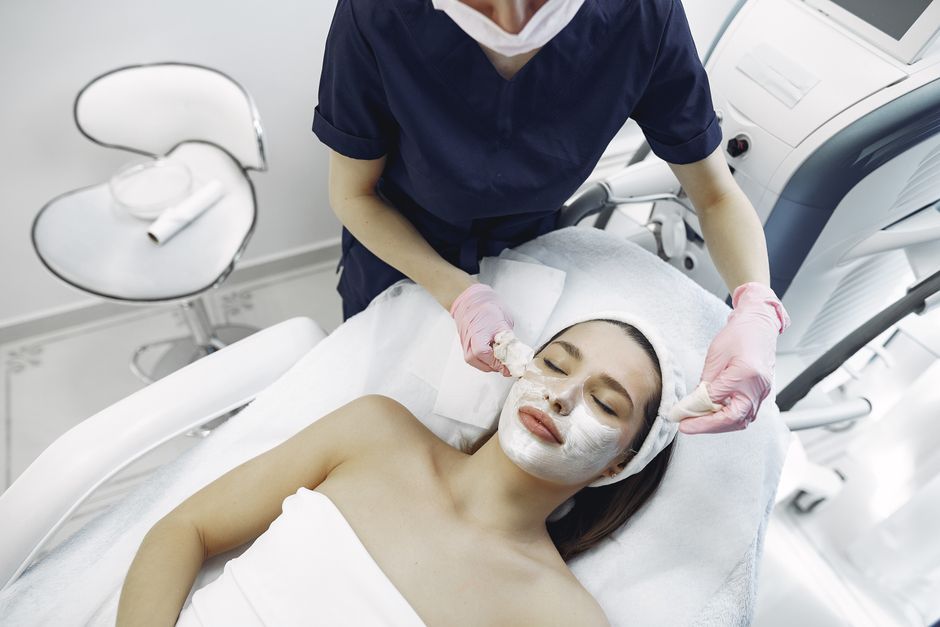
Estheticians are often the first professionals to touch a client’s skin. Understanding how facial treatments affect the skin is not optional — it is essential for safety, results, and trust. Without this knowledge, a simple facial can cause irritation, spread infection, or delay diagnosis of a serious condition.
Why Should Estheticians Understand Facial Treatments?
The skin is the body’s largest organ. Every facial treatment — from cleansing and exfoliation to chemical peels and microdermabrasion — interacts with its structure and function. Without a solid grasp of skin anatomy, an esthetician cannot predict how a treatment will affect different skin types, conditions, or underlying health issues. That knowledge determines whether a client leaves with glowing skin or a chemical burn, an allergic reaction, or a worsened infection.
Beyond safety, understanding facial treatments allows an esthetician to customize each service. No two faces are alike. A treatment that works for oily, acne-prone skin may ruin a dry, sensitive barrier. Knowing why and how to adjust protocols separates a skilled professional from someone who simply follows a script.
Estheticians are also legally and ethically responsible for recognizing when a treatment is not appropriate. Many skin conditions — such as active herpes simplex, rosacea flare-ups, or suspicious moles — require medical clearance before any cosmetic procedure. Ignorance is not a defense. Proper training in contraindications and red flags protects both the client and the esthetician’s license.
How Does Knowledge of Skin Anatomy Improve Treatment Outcomes?
Facial treatments work through the skin’s layers: the epidermis, dermis, and hypodermis. Each layer responds differently to products and modalities. For example, a light glycolic acid peel primarily exfoliates the outermost stratum corneum. A deeper peel reaches the papillary dermis to stimulate collagen. If an esthetician does not understand this depth gradient, they cannot choose the correct peel strength or duration for a specific concern.
Understanding the acid mantle — the skin’s slightly acidic protective film — is another critical piece. Over-cleansing or using high-pH products can strip this barrier, leading to transepidermal water loss and increased sensitivity. An esthetician who knows this will choose gentle, pH-balanced cleansers and limit aggressive exfoliation.
Facial muscles, blood supply, and lymphatics also matter. Manual techniques like lymphatic drainage reduce puffiness by encouraging fluid movement. Knowing the direction of lymph flow ensures the movements are effective, not counterproductive. Similarly, understanding where facial nerves run helps avoid discomfort or injury during extractions and massage.
What Are the Risks of Performing Facial Treatments Without Proper Training?
The most common risks are physical injury and infection. Extractions done incorrectly can cause bruising, broken capillaries, or permanent scarring. Using a comedone extractor at the wrong angle or with too much force pushes bacteria deeper into the follicle, causing inflammation or post-inflammatory hyperpigmentation — especially in darker skin tones.
Chemical peels carry significant risk. Applying a peel that is too strong for a client’s Fitzpatrick skin type can result in burns, blistering, or uneven pigmentation. Some peel ingredients, like high concentrations of trichloroacetic acid (TCA), can cause scarring if neutralized improperly or left on too long. Without training, an esthetician may not recognize the signs of over-neutralization or frosting endpoints.
Infection control is another area where knowledge matters. Reusing spatulas, contaminated gauze, or unclean hands can transfer bacteria, viruses, or fungi. Serious outbreaks of methicillin-resistant Staphylococcus aureus (MRSA) have been linked to unsanitary esthetic practices. Proper disinfection protocols are taught in formal training — and skipping them puts everyone at risk.





How Can Estheticians Recognize Skin Conditions That Require Medical Referral?
Many skin conditions look like cosmetic concerns but are actually medical. Actinic keratosis — rough, scaly patches from sun damage — can be mistaken for dry skin or hyperkeratosis. But these patches are precancerous. An esthetician who does not know how to identify them may apply a chemical exfoliant, thinking it will help, when the client actually needs a dermatologist.
Similarly, herpes simplex (cold sores) can be triggered by facial massage, heat, or acids. If a client reports a tingling or burning sensation before a treatment, the esthetician must reschedule until the outbreak heals. Performing a facial on active herpes can spread the virus to other areas of the face or to the esthetician.
Other conditions that require referral include: unexplained changes in a mole’s shape or color, severe cystic acne, visible blood vessels that may indicate rosacea or telangiectasia, and any lesion that bleeds, itches, or grows. An esthetician is not a doctor, but they are often the first person to see these changes. A responsible professional documents the finding, declines the treatment, and recommends a medical consultation.
What Role Does Product Chemistry Play in Facial Treatments?
Every product used in a facial — cleanser, toner, serum, mask, peel — is a chemical formulation. Understanding basic chemistry helps an esthetician predict how ingredients interact with each other and with the skin. For example, using a copper peptide serum immediately after a high-pH exfoliant may inactivate the peptides. Layering certain acids (like AHAs and BHAs) without knowing their pH compatibility can cause irritation or reduce efficacy.
Preservatives and penetration enhancers also matter. Parabens, phenoxyethanol, and other preservatives prevent microbial growth in jars and tubes. Without them, products would spoil quickly and could cause infections. But some clients are allergic or sensitive. A knowledgeable esthetician reads ingredient lists and knows which preservatives are common allergens and which alternatives exist.
Active ingredients like retinoids, vitamin C, and niacinamide have optimal pH ranges for stability and absorption. For instance, L-ascorbic acid (vitamin C) is most stable at a pH below 3.5. If a product’s pH is higher, the vitamin C degrades quickly and offers little benefit. An esthetician who understands this can counsel clients on proper storage, frequency of use, and realistic expectations.
How Does Understanding Contraindications Protect Clients and Estheticians?
Contraindications are conditions or situations that make a facial treatment unsafe or unwise. Some are absolute — pregnancy, active skin infections, recent facial surgery, or radiation therapy. Others are relative, like a history of allergic reactions or use of strong prescription retinoids. Without knowing these, an esthetician may trigger a flare-up, a burn, or a systemic reaction.
For example, a client using isotretinoin (Accutane) for acne has severely compromised barrier function and reduced sebum production. Performing a chemical peel or aggressive extractions can cause painful cracking, delayed healing, and scarring. The standard recommendation is to wait at least six months after stopping isotretinoin before undergoing any resurfacing treatment.
Medical history questions on an intake form are only useful if the esthetician knows how to interpret the answers. A client may list “high blood pressure” or “diabetes” without realizing these conditions affect wound healing and infection risk. A knowledgeable esthetician will adjust the treatment — shorter duration of exfoliation, gentler massage, lower concentrations — or refer to a doctor when needed. Failure to do so is not just poor service; it is a liability.
Frequently Asked Questions
What is the most important thing an esthetician must know about facial treatments?
The most important thing is recognizing contraindications. Knowing when NOT to perform a treatment prevents injury, infection, and legal liability.
Can an esthetician diagnose skin conditions?
No. Estheticians cannot diagnose medical conditions. They can recognize signs that warrant a referral to a dermatologist or other qualified medical professional.
How often should an esthetician update their facial treatment knowledge?
Continuing education is required for license renewal in most states. New products, ingredients, and research emerge regularly, so updating knowledge every one to two years is standard practice.
Does understanding facial treatments matter for makeup artists or non-estheticians?
Yes. Anyone who touches a client’s face — including makeup artists, waxers, and skincare consultants — should understand basic skin anatomy and contraindications to avoid harm.
