
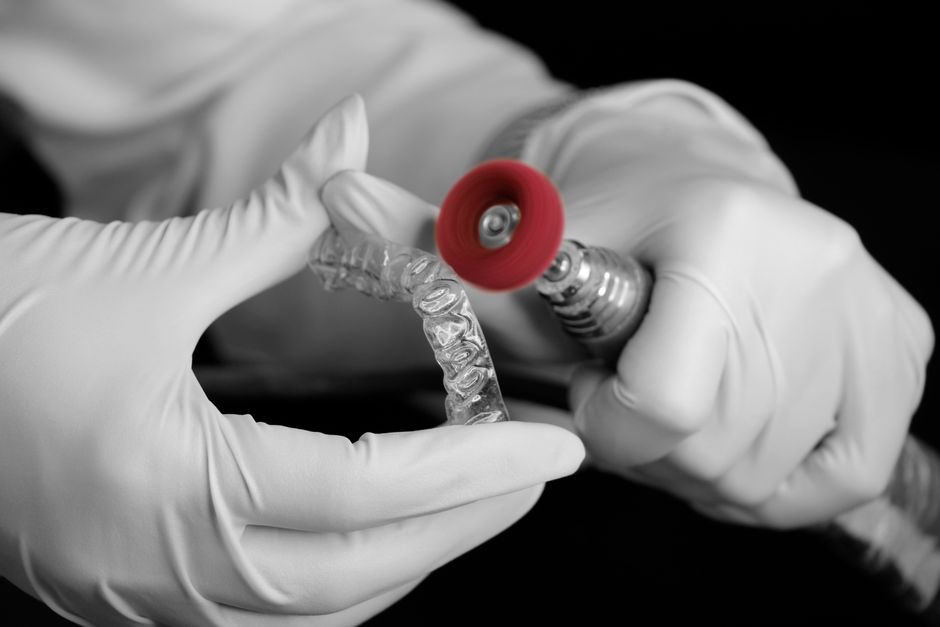
Retainers sit in your mouth for hours at a time, and over weeks they collect plaque, bacteria, and mineral deposits just like teeth do. Cleaning them at home without damage comes down to three rules: use cool or lukewarm water, avoid abrasive or harsh chemical cleaners, and never let them dry out with debris still on them. Most retainers are made of plastic or a plastic-and-wire combination, and both materials can warp, crack, or scratch if you clean them the wrong way. The good news is that the safest methods are also the simplest, and they use things you already have at home.
Why Does Cleaning Method Matter So Much for Retainers?
Retainer material is far more fragile than it looks. Most clear retainers are made from a thermoplastic that holds its shape only within a fairly narrow temperature range. Hot water is the single most common way people ruin a retainer, and the damage is usually permanent.
Heat causes the plastic to soften and lose its molded fit. Once that happens, the retainer no longer sits correctly against your teeth, which defeats its entire purpose. A warped retainer can also irritate your gums or put uneven pressure on teeth.
Scratches matter too, though the problem is less obvious. Rough brushing or abrasive toothpaste creates tiny grooves in the plastic surface. Those grooves become places where bacteria and plaque collect, and they are very hard to clean out once they form. So a cleaning method that seems to work well in the short term can make the retainer harder to keep clean over time.
Harsh chemicals are the third risk. Some disinfectants can degrade certain plastics or leave residue that then sits against your gums and teeth for hours. That is why the gentlest effective method is usually the right one.
What Is the Safest Daily Routine for Cleaning Retainers at Home?
The routine that most dental professionals recommend is short and low-tech. Rinse the retainer under cool or lukewarm water every time you take it out. Then clean it gently with a soft-bristled toothbrush and a small amount of mild, non-abrasive soap or a cleaner made specifically for retainers.
Plain liquid hand soap without moisturizers or added fragrances is a common choice. So is dish soap, as long as it is a basic formula without harsh additives. Brush lightly. You are removing film and debris, not scrubbing a stain out of a pan.
Rinse thoroughly afterward. Any soap residue left on the retainer will sit against your gums, and some people find that irritating.
Do this once or twice a day, and always before the retainer goes back in your mouth after a meal. The key habit is consistency rather than intensity. A gentle clean every day does more than an aggressive clean once a week.
Can You Use Denture Cleaners or Retainer Tablets?
Retainer cleaning tablets and denture cleaners are widely sold and commonly used. They are convenient and they do help remove buildup and reduce odor. That said, the evidence on how well they work compared with simple soap and water is limited, and results vary by product.
If you use them, follow the package directions and do not soak longer than recommended. Some products contain ingredients that can dull or discolor certain plastics over time, and prolonged soaking is not better than a short soak.
One important caution: some effervescent denture cleaners contain persulfate compounds, which are known to cause allergic reactions in some people. If you notice redness, burning, or irritation in your mouth after using a cleaning tablet, stop using it and talk to your dentist.
Tablets are a reasonable supplement. They are not a substitute for physically brushing off film and debris.



What Should You Never Use to Clean a Retainer?
Certain common household items cause damage that cannot be undone. Knowing what to avoid is as important as knowing what to use.
- Hot water. This is the most frequent cause of warped retainers. Even water that feels comfortably warm to your hands can be too hot for thin thermoplastic.
- Boiling water or the dishwasher. Both will almost certainly distort the shape.
- Bleach. It can degrade plastic and leave residue that is not safe to put in your mouth.
- Mouthwash containing alcohol. Alcohol can dry out and weaken some retainer materials over repeated exposure.
- Abrasive toothpaste. Whitening and tartar-control toothpastes contain abrasives that scratch the surface.
- A hard-bristled toothbrush. Same problem as abrasive toothpaste — it scuffs the plastic.
- Vinegar or acidic cleaners left to soak. Brief use is sometimes suggested, but long soaking in acid can affect some materials.
If you are unsure whether a product is safe for your specific retainer, ask the dental office that made it. Retainer materials differ, and the maker knows what yours is made of.
How Do You Remove Buildup and Odor Without Scratching the Plastic?
Buildup and odor usually come from the same source: bacteria and plaque that were not fully removed each day. The fix is regular gentle cleaning, not a stronger cleaner.
For mild odor, a short soak in a retainer cleaning solution followed by a soft brush and cool rinse is usually enough. For more noticeable buildup, some clinicians suggest a brief soak in a diluted solution, but the specifics vary and no single home remedy is strongly supported by clinical trials. The safer path is to clean more consistently rather than to reach for a harsher product.
If odor keeps returning even with daily cleaning, that is a signal worth paying attention to. It can mean the retainer has scratches that are trapping bacteria, or that it is not being cleaned thoroughly enough. In that case, bring it to your dentist or orthodontist. Sometimes a retainer simply needs to be replaced.
One detail people miss: letting a retainer dry out with saliva and debris still on it gives bacteria a chance to settle in. Rinse it right after you remove it, even if you plan to clean it properly later.
How Should You Store and Handle Retainers Between Cleanings?
Storage affects how clean a retainer stays and how long it lasts. When it is not in your mouth, keep it in its case. A retainer left on a counter or wrapped in a napkin gets dropped, stepped on, or thrown away by accident, and it also picks up whatever is on the surface.
Keep the case clean too. A dirty case re-contaminates a clean retainer every time you put it away. Rinse the case and let it air dry periodically.
Do not let the retainer sit in a sealed, damp case for long stretches without cleaning. Moisture plus debris is exactly what bacteria need.
Handle the retainer by the edges when you can, and keep it away from pets, heat sources, and direct sunlight. A retainer left on a car dashboard on a warm day can warp even though it never touched hot water.
How Often Should You Replace a Retainer?
There is no universal replacement schedule, and this is a point where honest guidance matters. How long a retainer lasts depends on the material, how well you care for it, and how much wear it gets. Some last for years with good care. Others need replacing sooner.
Signs it may be time for a new one include a fit that no longer feels right, visible cracks, deep scratches, or odor that returns despite consistent cleaning. If your retainer stops fitting properly, do not try to fix it yourself. Contact your orthodontist, because a poorly fitting retainer can allow teeth to shift.
The best protection is the boring one: clean it gently every day, store it properly, and keep your regular dental visits.
Frequently Asked Questions
Can I clean my retainer with toothpaste?
Most toothpaste is too abrasive for retainer plastic and can scratch the surface over time. If you use any, choose a plain non-whitening formula and brush very gently, but mild soap and a soft brush are the safer routine.
Is it OK to soak retainers in mouthwash?
Mouthwash that contains alcohol can dry out and weaken some retainer materials with repeated use. A retainer-specific cleaner or mild soap and water is a better choice.
How do I get rid of smell in my retainer?
Odor usually means bacteria and plaque are still on the retainer, so clean it more consistently with a soft brush and cool water. If the smell keeps coming back, the retainer may have scratches trapping bacteria and may need to be replaced.
Can hot water really ruin a retainer?
Yes. Heat softens thermoplastic and can permanently warp the fit, which is why cool or lukewarm water is always the safe choice. Even comfortably warm tap water can be too hot for a thin retainer.
