
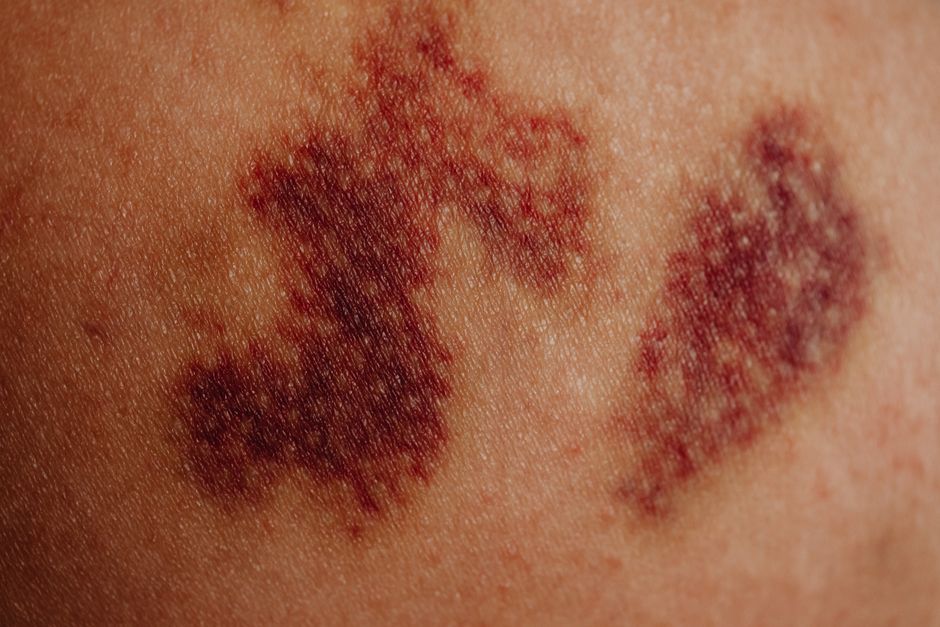
A blood bruise, also called a hematoma, happens when blood pools under your skin after an injury. To get rid of one and heal faster, you need to act quickly with ice, then switch to heat, elevate the area, and give your body the basic nutrients it uses to clear the blood. The most important step is starting cold therapy within the first 48 hours to limit blood flow to the area.
What Is a Blood Bruise and How Is It Different From a Normal Bruise?
A normal bruise, known medically as an ecchymosis, happens when tiny capillaries break and a small amount of blood spreads into the tissue. The blood sits close to the surface, which is why the bruise looks flat and changes color as it heals.
A blood bruise is different. It involves a larger blood vessel breaking, which allows more blood to escape into the surrounding tissue. This creates a raised, often tender lump called a hematoma. The skin may look deep purple or black at first. Because the blood is trapped in a pocket, hematomas take longer to clear than normal bruises.
Knowing which one you have matters because treatment differs. A flat bruise responds quickly to basic home care. A raised hematoma needs more time and patience, and in rare cases, medical attention.
How To Get Rid Of Blood Bruises And Heal Faster: The First 48 Hours
The first two days after injury determine how long your bruise will last. Your goal during this window is to limit bleeding and reduce swelling.
Apply cold immediately. Cold causes blood vessels to constrict, which reduces the amount of blood that leaks into the tissue. An ice pack wrapped in a thin towel works best. Apply it for 15 to 20 minutes at a time, several times a day. Never place ice directly on skin — this can cause frostbite and make the injury worse.
Elevate the injured area. If the bruise is on your arm or leg, prop it up above heart level. Gravity helps drain fluid away from the injury site. This reduces pressure and limits the size of the hematoma.
Compress the area gently. An elastic bandage wrapped snugly but not tightly can help limit blood pooling. If your fingers or toes tingle or turn blue, the wrap is too tight. Loosen it.
Avoid heat, alcohol, and vigorous activity during this first phase. Heat opens blood vessels and encourages more bleeding. Alcohol thins the blood and can make the hematoma larger.
After 48 Hours: Switch From Ice to Heat
Once the bleeding has stopped, your body begins the cleanup process. That is when heat becomes useful.
Warmth opens blood vessels and increases circulation to the area. This helps your lymphatic system carry away the trapped blood. A warm compress, heating pad on low, or a warm bath can be applied for 15 to 20 minutes two to three times daily.
You may also begin gentle movement once the swelling goes down. Moving the joint or muscle around the bruise helps keep fluid moving. Do not stretch aggressively or exercise the area hard. Gentle range-of-motion movements are enough.
Massage is another option after the first 48 hours. Light, circular strokes around the bruise — not directly on it — may help break up the pooled blood. Firm pressure on the hematoma itself can make it worse.




How Long Does a Blood Bruise Take To Heal?
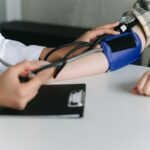
A normal bruise typically fades within one to two weeks. A blood bruise takes longer — usually two to four weeks, sometimes up to a month or more depending on its size and location.
The bruise will change color as it heals. It starts dark red or purple, then shifts to blue, green, yellow, and finally light brown before disappearing. This color change happens as your body breaks down hemoglobin, the protein in red blood cells that carries oxygen.
Larger hematomas can take longer because the body must remove a larger volume of blood. Bruises on the legs also heal slower than bruises on the arms because gravity keeps blood pooling in the lower extremities.
If a hematoma shows no sign of improvement after two weeks, or if it grows larger rather than smaller, see a doctor. This may indicate continued bleeding or a condition that requires treatment.
Home Remedies That Actually Work
Several home treatments have reasonable evidence behind them. Others are popular but lack solid research. Here is what the evidence supports.
- Arnica. Some studies suggest topical arnica gel may reduce bruising and swelling. The evidence is not strong, but the risk of harm is low when used on intact skin. Do not apply arnica to broken skin.
- Vitamin K cream. A few small studies have found that topical vitamin K may speed up bruise resolution, particularly after cosmetic procedures. Results are mixed, and it does not work for everyone.
- Bromelain. This enzyme found in pineapple has anti-inflammatory properties. Some research suggests it may reduce bruising, but most studies are small and older. It may interact with blood thinners, so check with a pharmacist first.
- Vitamin C. Your body needs vitamin C to produce collagen, which strengthens blood vessel walls. Getting enough through diet is reasonable, but no strong evidence shows that high-dose supplements speed up bruise healing.
One popular remedy deserves caution. Witch hazel is often recommended for bruises, but no clinical evidence confirms it speeds healing. It may feel soothing, but it does not change the underlying process.
When To See a Doctor About a Blood Bruise
Most blood bruises heal on their own, but some require medical evaluation. You should seek care if you experience any of the following:
- The bruise grows larger after the first 48 hours instead of stabilizing
- The area becomes increasingly painful, warm, or red — this may indicate infection
- You have numbness or tingling below the bruise
- The bruise appears without any known injury
- You are taking blood thinners such as warfarin or apixaban
- You have a bleeding disorder or a family history of one
- The hematoma is near an eye or on your head
Bruises that appear without injury deserve special attention. This can signal a bleeding disorder, a platelet problem, or a medication side effect. A doctor can run blood tests to check your platelet count and clotting function.
What Makes Bruising Worse: Medications and Conditions
Certain medications increase your risk of bruising and make existing bruises last longer. Blood thinners are the most obvious, but they are not the only ones.
Aspirin and nonsteroidal anti-inflammatory drugs (NSAIDs) like ibuprofen interfere with platelet function. They make platelets less sticky, which means they cannot form clots as quickly. If you take these regularly for pain or inflammation, you may notice more bruising.
Corticosteroids, both oral and topical, thin the skin and weaken blood vessel walls over time. Some supplements also affect bleeding. Fish oil, ginkgo biloba, and high-dose vitamin E can all increase bruising tendency.
Several medical conditions also raise bruise risk. Liver disease reduces production of clotting factors. Vitamin K deficiency impairs clotting because vitamin K is needed to make several clotting proteins. Low platelet counts, whether from disease or medication, make even minor injuries bleed more.
If you take any of these medications or have these conditions, do not stop them on your own. Talk to your doctor about how to manage bruising safely.
Can Diet Speed Up Bruise Healing?
Your body needs specific nutrients to repair blood vessels and clear trapped blood. A balanced diet provides most of what you need, but certain nutrients play a more direct role.
Vitamin C is essential for collagen production. Collagen is the structural protein that makes blood vessel walls strong. Good sources include citrus fruits, bell peppers, broccoli, and strawberries.
Vitamin K is necessary for blood clotting. It is found in leafy greens like spinach, kale, and Swiss chard. Eating these foods helps your body form clots properly, which limits the size of a bruise in the first place.
Zinc supports tissue repair and immune function. It is found in meat, shellfish, legumes, and seeds. Protein is also important because it provides the amino acids your body uses to rebuild damaged tissue.
There is no special “bruise diet” that will make a hematoma vanish overnight. But consistently eating these nutrients gives your body what it needs to do its repair work efficiently.
Frequently Asked Questions
Can I pop a blood bruise to drain it?
No. Never try to drain a blood bruise at home. Popping or cutting into a hematoma opens the door to infection and can cause more bleeding.
Does arnica really work for bruises?
Some small studies suggest topical arnica may reduce bruising, but the evidence is not strong. It is generally safe on intact skin, but it will not erase a bruise overnight.
Why is my blood bruise not going away after two weeks?
A hematoma can take up to a month to fully clear, so two weeks is still within the normal range. If it is growing, becoming more painful, or showing signs of infection, see a doctor.
Should I take ibuprofen for a blood bruise?
No. Ibuprofen and other NSAIDs interfere with platelet function and can make bleeding worse. Use acetaminophen for pain instead, or ask your doctor what is safe for you.
