
A blister is your skin’s own bandage. The fluid inside cushions the raw tissue underneath while new skin forms, and the roof of the blister keeps bacteria out. That is why the single most effective way to get rid of a blister without popping it is to leave it intact, cover it loosely, and let it drain or dry out on its own. If you protect it from friction and keep it clean, most small blisters resolve within about a week without any intervention at all.
Why You Should Not Pop a Blister
The fluid inside a blister is not waste. It is serum — a clear liquid that seeps from surrounding tissues and collects in the space between the top layer of skin and the layers beneath. That pocket of fluid acts as a cushion, reducing pressure on the damaged tissue below while it repairs itself.
The blister roof matters just as much. It is a sterile, sealed barrier. Pop it and you create an open wound in a spot that is often warm, moist, and hard to keep clean. That is exactly the environment bacteria need. What was a minor friction injury can become an infection that spreads.
There is a second reason popping backfires. When you puncture a blister, you remove the cushioning fluid and expose nerve endings that were previously protected. The area often becomes more painful, not less. And the skin underneath is usually raw and tender for days afterward.
Blood blisters — the dark red or purple kind — are a separate case. They form when friction or a pinch breaks small blood vessels under the skin. They are more likely to involve deeper tissue damage, so leaving them alone matters even more.
How To Get Rid Of Blisters Without Popping Them
Your job is not to make the blister disappear. Your job is to protect it and let the body finish the repair. The steps below are simple and they work.
- Clean gently. Wash the area with mild soap and water. Pat dry. Do not scrub.
- Cover it loosely. A loose bandage or a piece of soft gauze keeps dirt out and reduces rubbing. Do not wrap it tight — pressure on a blister hurts and can make it worse.
- Use a donut pad for pressure points. If the blister is on your heel or the ball of your foot, a ring-shaped pad around it (not on top of it) shifts pressure away from the sore spot.
- Leave the roof alone. Even if the blister drains on its own, the loose skin on top still protects the new skin forming underneath. Do not peel it off.
- Watch for changes. Check it once a day. Normal healing looks like gradual drying, shrinking, and less pain.
Some clinicians suggest a hydrocolloid dressing for blisters on the feet. These are the gel-like bandages sold for blisters and minor wounds. They can cushion the area and may help it heal. The evidence for hydrocolloid dressings specifically on friction blisters is not strong, but they are widely used and generally well tolerated. If you try one, follow the package directions.
If a blister breaks on its own, treat it like a minor open wound. Gently wash it, apply a thin layer of petroleum jelly if you have it, and cover it with a bandage. Change the bandage daily or whenever it gets wet or dirty.
What Causes Blisters in the First Place
Most blisters on the hands and feet are friction blisters. They form when repeated rubbing separates the top layer of skin from the layers beneath. The separation creates a space, and fluid fills it.
Three things make friction blisters more likely:
- Moisture. Sweat softens the skin and increases friction. This is why blisters are so common in hot weather or during long workouts.
- Heat. Warm skin is more prone to friction damage than cool skin.
- Ill-fitting shoes or tools. A shoe that slips, a new racket grip, or a tool handle that rubs all create the repeated shear force that starts a blister.
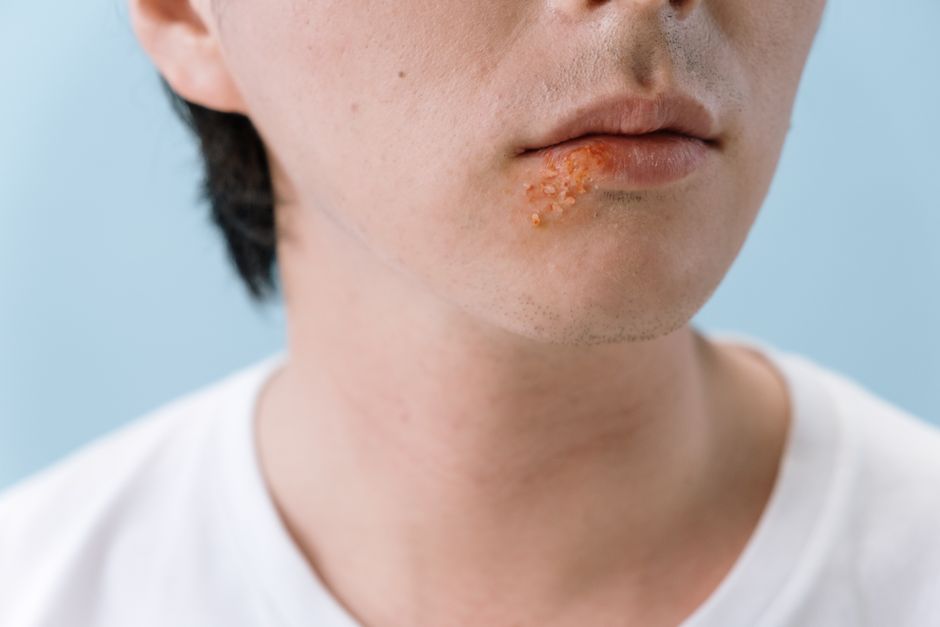
Not all blisters come from friction. Burns, sunburn, chemical exposure, frostbite, and certain skin conditions can all cause them. Some viral infections produce blisters too. If blisters appear without any obvious friction or injury — especially in clusters, or along with fever or feeling unwell — that is worth a medical evaluation rather than home care.



When a Blister Needs Medical Attention
Most blisters are minor. Some are not. Get medical care if you notice any of the following:
- Spreading redness, warmth, or swelling around the blister
- Pus or cloudy fluid instead of clear fluid
- Increasing pain rather than improving pain
- A red streak moving away from the blister
- Fever or chills
- A blister larger than about an inch across, or one that keeps getting bigger
Some people should not manage blisters at home at all. If you have diabetes, poor circulation, or a weakened immune system, even a small blister can become a serious problem. Foot wounds in people with diabetes are a leading cause of hospitalization and amputation, and they often start as something minor. Check your feet daily and contact your doctor about any new blister.
Blisters from burns deserve their own caution. A burn blister that covers a large area, or any burn that looks white, charred, or leathery, needs emergency care. Do not apply home remedies to a serious burn.
Should You Drain a Blister Ever?
In general, no. Leaving a blister intact is the safest choice for the vast majority of cases.
There is one situation where a clinician may drain a blister: when it is large, painful, and in a spot where pressure is unavoidable. In that case, drainage is done under clean conditions with sterile equipment, and the blister roof is left in place afterward. This is a clinical decision, not a home remedy.
If you are tempted to drain a blister yourself, consider what you are trading. You might get a few hours of less pressure. You also get an open wound, a higher infection risk, and often more pain once the cushioning fluid is gone. For most people, that trade is not worth it.
How To Prevent Blisters From Coming Back
Prevention is where you get the most control. If you blister easily, a few changes make a real difference.
- Fix the fit. Shoes should have about a thumb’s width of space between your longest toe and the front of the shoe. Heels should not slip when you walk.
- Break in new shoes slowly. Wear them for short periods before long walks or runs.
- Manage moisture. Moisture-wicking socks help. Some people use foot powder to reduce sweat. Change socks if they get wet.
- Use prevention tape or patches on hot spots. If you feel a hot spot forming, stop and cover it before a blister develops. A hot spot is a warning sign.
- Wear gloves. For manual work or racket sports, gloves reduce friction on the hands.
You cannot prevent every blister. But catching a hot spot early and covering it is far easier than dealing with a blister later.
What About Blisters That Keep Coming Back?
Recurring blisters in the same spot usually point to a persistent cause — a shoe that still rubs, a grip that still slips, or skin that stays damp. Fixing the source is the only thing that stops the cycle.
If blisters keep appearing without any friction or injury, or if they show up in the same pattern on both sides of the body, that is a different situation. It may point to a skin condition or another underlying issue. A doctor can look at the pattern and decide whether testing is needed.
Healing time varies. A small friction blister often dries and peels within about a week. Larger ones, or ones in spots that keep getting rubbed, can take longer. If a blister is not improving after a week, or if it is getting worse at any point, have it checked.
Frequently Asked Questions
Can I pop a blister with a sterile needle?
Even with a sterile needle, popping a blister opens a wound and raises infection risk. Clinical drainage is sometimes done for large, painful blisters, but it is a medical procedure, not a home fix.
How long does a blister take to heal if I leave it alone?
Most small friction blisters resolve within about a week when kept clean and protected. Blisters in spots that keep getting rubbed can take longer.
What should I put on a blister that already popped?
Wash it gently, apply a thin layer of petroleum jelly, and cover it with a bandage. Change the bandage daily or whenever it gets wet or dirty.
When should I see a doctor for a blister?
See a doctor if you notice spreading redness, pus, increasing pain, a red streak, or fever. People with diabetes or poor circulation should contact a doctor about any new blister on the foot.
