
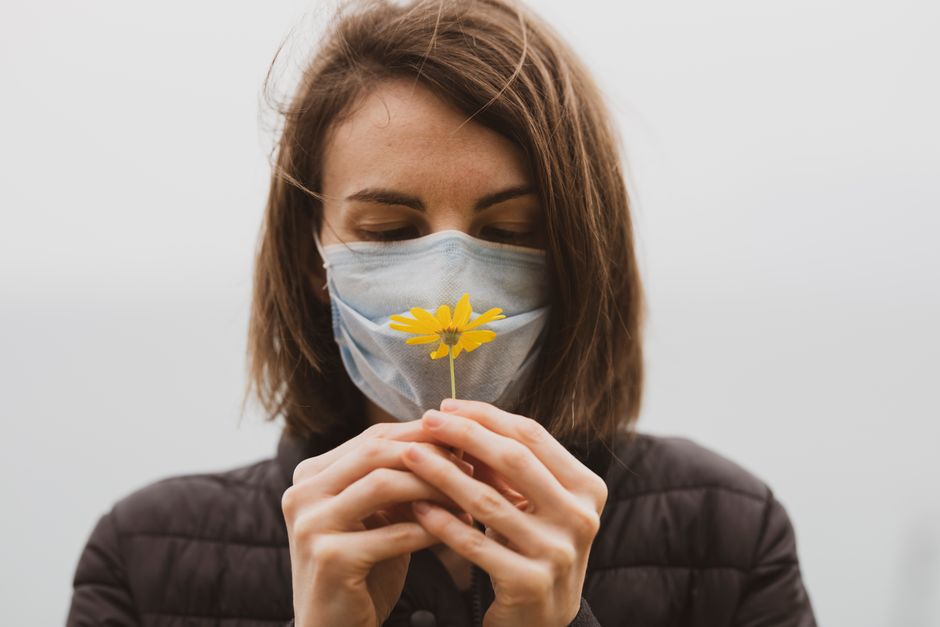
A bad smell in your nose after COVID is usually a sign that your sense of smell is healing, not that something is rotting inside your sinuses. Most people who notice this odd smell recover normal smell over time. There is no single proven treatment that speeds it up, but there are safe steps you can take and clear warning signs that mean you should see a doctor.
What Causes a Bad Smell in the Nose After COVID?
The smell is called parosmia — a distortion of smell where familiar things smell wrong. It is one of the better-documented long-term effects of COVID-19. It happens because the virus damages the cells that support the olfactory nerve, which carries smell signals from your nose to your brain.
Here is the part many people get wrong. The virus does not usually destroy the smell nerve cells themselves. It damages the supporting cells around them. As those cells regrow and the nerve reconnects to the brain, the signals can come through scrambled. Your brain receives a distorted message, and you perceive a distorted smell.
That is why the bad smell often shows up after the initial loss of smell, not during the infection. The distortion tends to appear as smell starts to return. This is a sign of repair, not a sign that something is decaying.
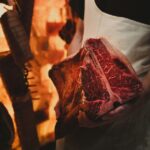
The most commonly reported triggers are things like coffee, meat, onions, garlic, and sometimes toothpaste or perfumes. Reports vary widely from person to person. Some people describe a constant smell of smoke, sewage, or something burned. Others notice it only when exposed to certain foods.
How Long Does a Bad Smell in the Nose Last After COVID?
There is no reliable way to predict how long parosmia will last for any one person. Recovery timelines vary widely, and the honest answer is that the evidence does not allow a firm estimate.
What is well established is the general pattern. Most people with COVID-related smell loss improve within weeks to a few months. Parosmia tends to show up during that recovery window. Some people see it fade over a few months. Others have it for a year or longer.
Research on post-COVID smell disorders has found that a substantial share of people recover within the first several months. A smaller group has persistent symptoms. Studies differ in how they measure recovery and how long they follow people, so the reported percentages vary a lot between studies. That is why you will see a wide range of numbers online. Treat any precise recovery percentage you see with caution.
Having parosmia at all is generally considered a more hopeful sign than having no smell at all. It means the system is active and reconnecting. That does not make the experience less unpleasant, but it is a useful frame.
How To Get Rid Of Bad Smell In Nose After Covid
The most widely recommended approach is olfactory training, sometimes called smell training. It is the intervention with the most consistent support in the clinical literature for smell recovery after viral infections, though the evidence is not strong enough to promise it will work for everyone.
The method is simple. You pick a small set of scents — commonly rose, lemon, clove, and eucalyptus are used in studies, but any distinct, familiar scents can work. You sniff each one for about 20 seconds, focusing your attention on what you are smelling. You do this twice a day. The aim is to repeatedly stimulate the smell system and support its reconnection.
What the evidence actually shows: olfactory training is safe, low-cost, and some studies report benefit for smell recovery after viral infection. Results vary. It is not a guaranteed fix. Many clinicians recommend it because it is low-risk and may help, not because large trials have proven it restores normal smell in everyone.
Beyond smell training, practical steps help you cope while your system recalibrates:
- Avoid your known trigger foods for now rather than forcing yourself to eat them.
- Cold foods often smell less intense than hot foods, because heat releases more aroma molecules.
- Eat a varied diet so you do not lose nutrition while avoiding triggers.
- Talk to a doctor if the distortion is affecting your appetite, weight, or mood.
There is no medication approved specifically to treat post-COVID parosmia. Some clinicians have tried various drugs and supplements, but no large human trials confirm any of them reliably reverse the condition. Be skeptical of any product marketed as a cure.
Does Smell Training Really Work?
The evidence for smell training is real but modest. It is the best-supported non-drug option for smell recovery after viral infection, and it is consistently recommended in clinical guidance for smell disorders. What it is not is a proven cure.
Studies on olfactory training vary in quality, size, and how they measure improvement. Some show meaningful benefit. Others show smaller effects. The overall picture is that it likely helps some people and is very unlikely to cause harm. That combination is why it is so widely recommended.
One clarification worth knowing: smell training is not the same as simply being exposed to smells. The active attention matters. Sniffing while deliberately focusing on the scent is thought to engage the brain’s smell-processing regions more than passive exposure. This is a reasonable explanation, but the mechanism is not fully settled.
Consistency matters more than intensity. Short, regular sessions twice a day are the standard approach. There is no evidence that longer or more frequent sessions work better.
When Should You See a Doctor About a Bad Smell in Your Nose?
See a doctor if the bad smell comes with certain red flags, or if it is not improving over time. A distorted smell after COVID is common and usually harmless. But a bad smell in the nose can also have other causes that need checking.
Get medical attention if you notice:
- A bad smell from one side of the nose only, especially with pain or pressure
- Thick, colored, or foul-smelling nasal discharge
- Facial pain, fever, or swelling
- Nosebleeds that keep coming back
- Vision changes or numbness around the face
- Rapid weight loss or loss of appetite that will not settle
These can point to problems other than post-COVID smell distortion — including sinus infection, nasal polyps, or other conditions. A one-sided bad smell in particular deserves a proper look, because it is less typical of post-viral parosmia.
Also see a doctor if the smell problem is seriously affecting your quality of life. Persistent smell distortion is linked to low mood and reduced appetite in some people. That is a legitimate reason to seek help, not something to push through alone.
What Makes the Bad Smell Worse?
Certain things reliably make parosmia more noticeable. Heat is a big one. Hot food releases more aroma compounds, so a hot meal often smells far stronger — and more distorted — than the same food eaten cold.
Strong odors tend to hit harder. Perfume, cleaning products, coffee, and cooking smells are common triggers. So is anything with a strong savory or roasted character, which is why meat and coffee come up so often in reports.
Your emotional state can also affect how much the smell bothers you. Stress and poor sleep do not cause parosmia, but they can make the experience feel harder to tolerate. This is a general observation about how people experience persistent symptoms, not a claim that stress causes the condition.
Keeping a simple log of which smells trigger the distortion can help you plan meals and daily routines without constant unpleasant surprises.
The Bottom Line
A bad smell in the nose after COVID is usually parosmia — a sign your smell system is reconnecting, not a sign of infection or decay. Most people improve over time, though the timeline varies and cannot be predicted reliably for any one person.
Smell training is the best-supported step you can take, and it is low-risk. Avoid your triggers, eat a varied diet, and see a doctor if you have one-sided symptoms, discharge, pain, or if the problem is affecting your daily life. Be skeptical of anything sold as a guaranteed cure, because no such treatment currently exists.
Frequently Asked Questions
How long does parosmia last after COVID?
It varies widely, and no reliable estimate exists for any one person. Many people improve over weeks to months, while some have symptoms for a year or longer.
Is a bad smell in the nose after COVID a sign of infection?
Usually not. It is more often parosmia, a distortion that appears as your sense of smell recovers. A one-sided bad smell with pain or discharge should be checked by a doctor.
Does smell training help get rid of the bad smell?
Some studies suggest it supports smell recovery, and it is widely recommended because it is low-risk. The evidence is modest, and it does not work for everyone.
Can I take medication to fix a distorted smell after COVID?
No medication is approved specifically for post-COVID parosmia. No large human trials confirm any drug or supplement reliably reverses it.
