
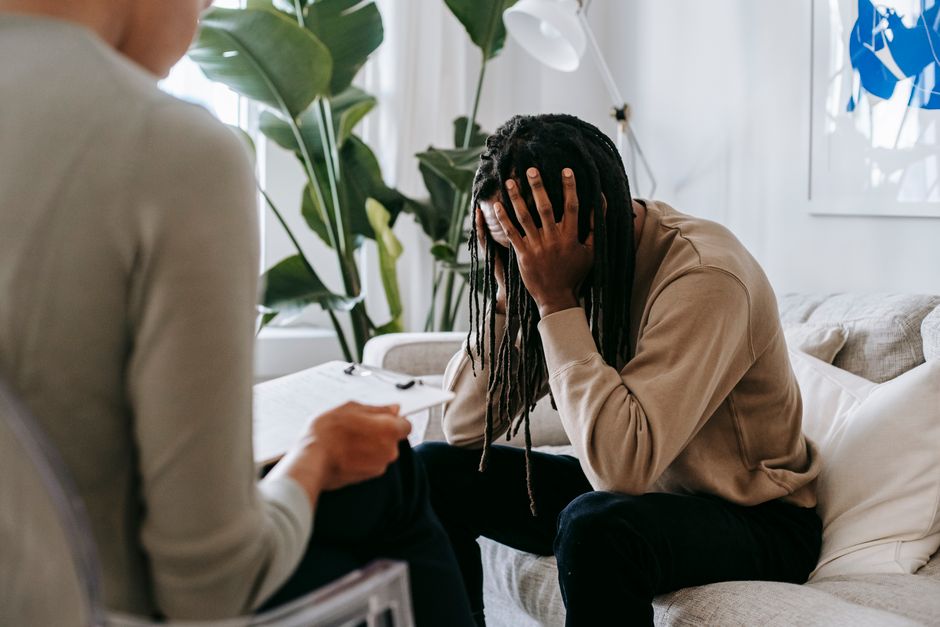
Nighttime anxiety can feel like a trap. You are exhausted, but your mind will not slow down. Racing thoughts, a pounding heart, and that sinking feeling in your chest can turn bedtime into a battleground. The key to getting rid of bad anxiety at night is to interrupt the cycle before it starts. This means separating the physical symptoms from the mental spiral, establishing a wind-down routine that signals safety to your brain, and knowing when to get out of bed rather than fight it. You can retrain your brain to associate your bed with sleep, not stress, but it takes a consistent approach rather than a quick fix.
Why Does Anxiety Get Worse at Night?
Anxiety often spikes at night because there are fewer distractions. During the day, work, errands, and conversations keep your mind occupied. At night, you are alone with your thoughts, and the quiet gives worry room to grow.
There is also a biological component. Your body’s stress response, the fight-or-flight system, does not automatically shut off just because the sun goes down. If you have been running on high alert all day, your nervous system may stay in that state. Cortisol, the stress hormone, can remain elevated, keeping your heart rate up and your mind scanning for threats that are not there.
Fatigue makes it worse. When you are tired, your brain has fewer resources to regulate emotions. A small worry can feel like a catastrophe. This combination of mental exhaustion, physical tension, and a lack of external stimulation creates the perfect environment for anxious thoughts to take over.
How to Get Rid of Bad Anxiety at Night with a Wind-Down Routine
A consistent wind-down routine is one of the most effective tools you have. The goal is to signal to your body that the day is over and it is safe to rest. This is not about doing a perfect routine. It is about repeating the same calming actions every night so your brain learns the pattern.
Start the routine about 30 to 60 minutes before you plan to sleep. Put your phone away. The blue light from screens can delay melatonin production, the hormone that regulates sleep. But the bigger issue is the content. News, social media, and emails can trigger new worries or keep old ones alive.
Replace the screen with something that engages your hands and eyes without requiring mental effort. Gentle stretching, reading a physical book, or listening to calm music are all solid options. The specific activity matters less than the consistency. When you repeat the same steps nightly, your brain starts to associate them with sleep, and the transition becomes easier over time.
What to Do When Anxiety Hits in Bed
Sometimes the anxiety hits after you are already in bed. Your heart starts racing, and your thoughts start spinning. The worst thing you can do is lie there and try to force yourself to relax. This rarely works and often makes the anxiety worse.
Instead, get out of bed. Go to a dimly lit room and do something quiet for 10 to 15 minutes. Fold laundry, read a boring book, or sip a glass of water. The point is to break the mental loop. Lying in bed while anxious trains your brain to associate the bed with stress. By getting up, you are telling your body that the bed is for sleep, not for worrying.
If you want to stay in bed, try a grounding technique. Focus on your breath. Inhale for a count of four, hold for four, exhale for six. This longer exhale activates the parasympathetic nervous system, which helps lower your heart rate. You can also name five things you can see, four you can touch, three you can hear, two you can smell, and one you can taste. This pulls your attention away from the thoughts in your head and back to the present moment.





Breathing Techniques and Muscle Relaxation
Breathing exercises are not a gimmick. They have a direct physiological effect. When you breathe slowly and deeply, you stimulate the vagus nerve, which helps calm the body’s stress response. The key is to make the exhale longer than the inhale. This triggers a relaxation response that can lower your heart rate and blood pressure.
Progressive muscle relaxation is another evidence-based technique. You systematically tense and then relax each muscle group in your body. Start with your toes, tense them for five seconds, then release. Move up to your calves, thighs, abdomen, hands, arms, shoulders, and face. This technique helps you notice where you are holding tension and gives you a physical way to let it go. Many people find it easier to focus on the body than on the mind when anxiety is high.
These techniques work best when practiced during the day too. If you only use them when you are panicking, they may not be as effective. Practicing for a few minutes each day builds the skill so it is available when you need it at night.
Lifestyle Habits That Reduce Nighttime Anxiety
What you do during the day affects how you sleep at night. Caffeine is a common culprit. It can stay in your system for hours, and even if you fall asleep, it can make your sleep lighter and more fragmented. Try to stop caffeine by early afternoon. Alcohol is another trap. It may help you fall asleep, but it disrupts the later stages of sleep and can cause you to wake up in the middle of the night feeling anxious.
Regular exercise helps reduce anxiety overall, but timing matters. Vigorous exercise too close to bedtime can leave you wired. Aim to finish intense workouts at least a few hours before bed. Gentle evening walks or stretching can be calming.
Your sleep environment also plays a role. Keep your bedroom cool, dark, and quiet. Use blackout curtains if streetlights bother you. Some people find that a fan or white noise machine helps mask disruptive sounds. These changes may seem small, but they reduce the number of things that can wake you or keep you alert.
When to Talk to a Professional
Occasional nighttime anxiety is common. But if it happens several nights a week, if it interferes with your ability to function during the day, or if it is accompanied by persistent sadness or hopelessness, it is time to seek help. Anxiety disorders are treatable, and you do not have to manage this alone.
Cognitive behavioral therapy, or CBT, is one of the most effective treatments for anxiety. It helps you identify the thought patterns that fuel your worry and gives you practical tools to change them. A therapist can also help you address any underlying issues that may be contributing to your nighttime anxiety.
In some cases, medication may be appropriate. A doctor or psychiatrist can evaluate your symptoms and discuss options. These may include medications that help with sleep or medications that reduce anxiety overall. Do not be afraid to ask questions. You deserve to understand your options fully before making a decision.
If you are experiencing physical symptoms like chest pain, shortness of breath, or a feeling of impending doom, it is important to rule out medical causes. These symptoms can be part of a panic attack, but they can also signal a heart problem. When in doubt, seek medical evaluation. It is better to be safe than to assume it is only anxiety.
Frequently Asked Questions
What causes anxiety to spike specifically at night?
Fewer daytime distractions let worries surface, and your stress hormones may remain elevated if you have been on high alert all day. Fatigue also reduces your brain’s ability to regulate emotions, making small worries feel bigger.
Is it better to stay in bed or get up during a nighttime anxiety attack?
Get out of bed if you cannot settle within about 15 minutes. Lying there while anxious trains your brain to associate the bed with stress, which makes the problem worse over time.
How long does it take to see improvement with a wind-down routine?
Most people notice some difference within one to two weeks of consistent practice. The brain learns patterns through repetition, so the more regularly you follow the same routine, the faster it becomes effective.
Can breathing exercises actually stop a panic attack at night?
Slow breathing with a longer exhale can lower your heart rate and activate your body’s calming response. It may not stop every attack completely, but it can reduce the intensity and help you regain a sense of control.
