
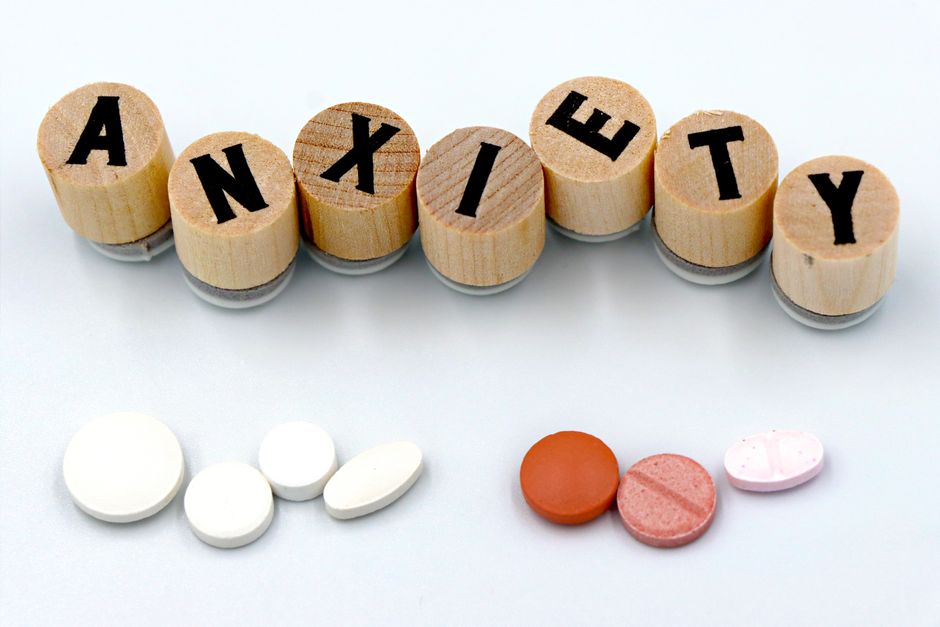
When an anxiety attack hits, your body may feel like it is in danger. Your heart races, your chest tightens, and you may feel dizzy or short of breath. The fastest way to help yourself is to slow your breathing and ground your mind in the present. Breathe in slowly for four seconds, hold for four, and breathe out for six. Then name five things you can see, four you can touch, three you can hear, two you can smell, and one you can taste. These two steps can calm your nervous system within a few minutes.
What Is the Difference Between an Anxiety Attack and a Panic Attack?
The terms “anxiety attack” and “panic attack” are often used the same way, but they are not the same. Panic attack is a formal diagnosis in the DSM-5, the manual mental health professionals use. It means a sudden wave of intense fear that peaks within minutes. Symptoms include racing heart, sweating, shaking, shortness of breath, chest pain, nausea, dizziness, fear of dying, or feeling detached from yourself.
Anxiety attack is not a medical diagnosis. People use this term to describe a period of intense anxiety that builds gradually, often related to a specific stressor like a work deadline or a social event. The symptoms are similar but usually less sudden and less severe than a panic attack.
Knowing which one you are experiencing is not critical for immediate help. The same calming techniques work for both. But if you have repeated panic attacks, you may have panic disorder and should talk to a doctor.
How To Help Anxiety Attack in the Moment
When you feel an anxiety attack starting, your first goal is to calm your body’s fight-or-flight response. Your sympathetic nervous system has taken over. You need to activate your parasympathetic nervous system, which helps you rest and digest. Slow breathing is the quickest way to do that.
One effective breathing technique is the 4-7-8 method. Breathe in through your nose for four seconds. Hold your breath for seven seconds. Breathe out slowly through your mouth for eight seconds. Repeat this cycle three or four times. This pattern naturally slows your heart rate and signals your brain that you are safe.
Grounding techniques also help. The 5-4-3-2-1 method uses your senses to pull your mind away from fearful thoughts. Look around and name five things you see. Then four things you can physically feel — the texture of your clothes, the floor under your feet. Then three things you hear, two things you smell, and one thing you can taste. This exercise forces your brain to focus on the present rather than the imagined threat.
Another simple strategy is cold water. Splash cold water on your face or hold an ice cube in your hand. The shock of cold activates the mammalian dive reflex, which slows your heart rate and redirects blood flow to your brain. This can quickly reduce the intensity of the attack.
If you are with someone having an anxiety attack, stay calm yourself. Speak in a slow, low voice. Do not say “calm down” — that can feel invalidating. Instead, say “I am here with you” and “You are safe.” Guide them through a breathing exercise if they are open to it. Do not grab them or make sudden movements.
What Causes Anxiety Attacks?
Anxiety attacks often come from a buildup of stress. Your brain’s amygdala, which detects threats, becomes overactive. It sends a danger signal even when there is no real danger. Your body then releases adrenaline and cortisol, causing physical symptoms.
Common triggers include major life changes like moving, job loss, or a breakup. Ongoing financial worries, health problems, or relationship conflicts can also lower your stress threshold. For some people, caffeine or lack of sleep can bring on an attack. For others, a specific situation like public speaking or crowded spaces triggers the response.
Underlying conditions like generalized anxiety disorder, social anxiety disorder, or panic disorder make attacks more likely. But anyone can have an anxiety attack during an especially stressful period. It does not mean you have a mental illness.




How To Prevent Anxiety Attacks From Happening
While you cannot always prevent an attack, you can make them less frequent and less intense. The most effective long-term strategy is to reduce your overall stress level. That does not mean removing all stress — that is unrealistic. It means building habits that keep your nervous system more balanced.
Regular exercise is one of the strongest protective factors. Aerobic exercise like brisk walking, jogging, or cycling for 30 minutes most days lowers baseline anxiety. Exercise burns off stress hormones and increases endorphins, your brain’s natural mood lifters.
Sleep is equally important. Chronic sleep loss raises cortisol levels and makes your amygdala more reactive. Most adults need 7 to 9 hours per night. If you have trouble sleeping, try a consistent bedtime routine, limit screens before bed, and avoid caffeine after noon.
Mindfulness meditation trains your brain to notice anxious thoughts without reacting to them. Studies show that regular mindfulness practice reduces the frequency and intensity of anxiety attacks. You can start with five minutes a day using a free app or simply sitting quietly and focusing on your breath.
Limiting caffeine and alcohol also helps. Caffeine mimics the physical symptoms of anxiety — racing heart, jitters — which can trigger a full attack. Alcohol may relax you temporarily but often leads to rebound anxiety as it wears off.
When Should You See a Doctor for Anxiety Attacks?
If anxiety attacks happen often enough to interfere with your daily life, it is time to get professional help. Signs that you need support include avoiding situations because you fear an attack, missing work or school, feeling constantly on edge, or having attacks that last longer than 10 to 15 minutes.
Start by seeing your primary care doctor. They can rule out medical conditions that mimic anxiety, such as thyroid problems, heart arrhythmias, or low blood sugar. They can also refer you to a mental health professional.
Therapy, especially cognitive behavioral therapy (CBT), is the most effective treatment for anxiety attacks. CBT helps you identify the thoughts that fuel your anxiety and replace them with more realistic ones. For example, you might learn to recognize that a racing heart does not mean you are having a heart attack — it is just anxiety.
In some cases, medications can help. Antidepressants like SSRIs (selective serotonin reuptake inhibitors) are often used for long-term control. Short-acting medications like benzodiazepines can stop an attack quickly but carry a risk of dependence. Doctors usually prescribe them only for occasional use, not daily. Always discuss risks and benefits with your doctor.
Frequently Asked Questions
Frequently Asked Questions
Can you die from an anxiety attack?
No, anxiety attacks are not fatal. The symptoms feel very frightening, but your body will return to normal once the attack passes. If you have chest pain or trouble breathing, it is still wise to see a doctor to rule out other causes.
How long does an anxiety attack usually last?
Most anxiety attacks peak within 10 minutes and resolve within 20 to 30 minutes. Some may last longer, especially if you continue to focus on what triggered the attack. Grounding and breathing techniques can shorten the duration.
What is the best thing to say to someone having an anxiety attack?
Stay calm and say simple, supportive things like “You are safe” or “I am right here with you.” Avoid telling them to calm down or asking too many questions. Offer to breathe with them slowly if they are willing.
Can dehydration cause an anxiety attack?
Mild dehydration can raise cortisol levels and make you feel more anxious, which could trigger an attack in someone already prone to them. Staying well-hydrated is a simple way to support your nervous system, but it is not a treatment for an attack once it starts.
