
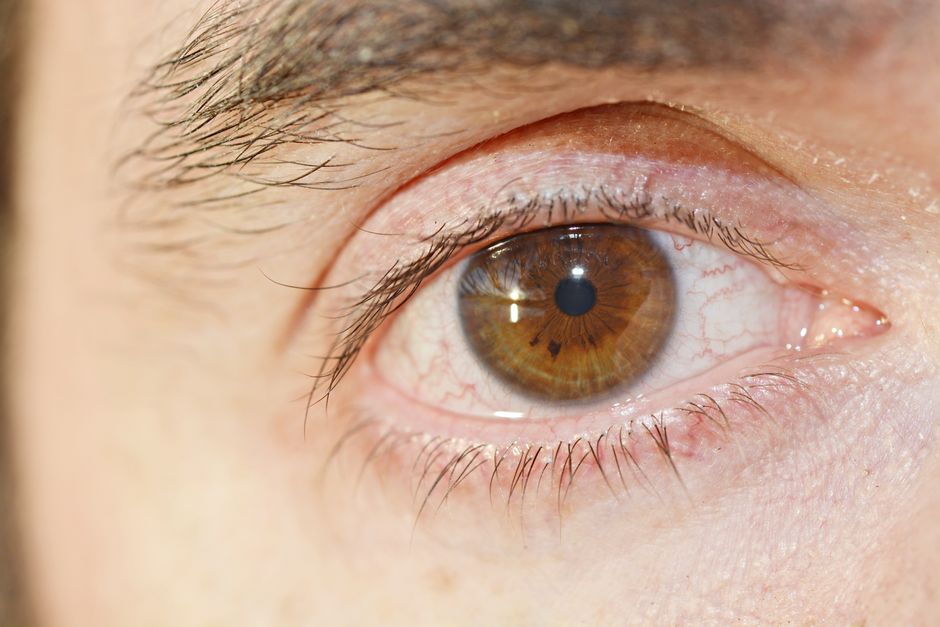
Bacterial conjunctivitis, commonly called pink eye, is an infection of the thin membrane covering the white of the eye and the inside of the eyelid. The fastest way to get rid of it is to see a doctor for a proper diagnosis, because antibiotic eye drops are the only treatment that reliably kills the bacteria causing the infection. While you wait for treatment, you can manage symptoms with warm compresses and artificial tears, but these do not cure the infection itself.
What Is Bacterial Conjunctivitis and How Do You Know You Have It?
Conjunctivitis means inflammation of the conjunctiva. When bacteria cause that inflammation, it is a bacterial infection. The most common culprits are Staphylococcus aureus, Streptococcus pneumoniae, and Haemophilus influenzae.
The symptoms are usually distinct. A bacterial infection often produces a thick, yellow or green discharge that can make your eyelids stick together, especially after sleep. The eye is usually red and irritated. It often starts in one eye but can spread to the other.
Viral conjunctivitis is the main condition that looks similar. Viral pink eye typically produces a thinner, watery discharge rather than thick pus. It often accompanies a cold or upper respiratory infection.
If you are unsure which type you have, that is the point to see a clinician. Treating viral conjunctivitis with antibiotics does not work and contributes to antibiotic resistance.
How Fast Can Antibiotics Clear Bacterial Conjunctivitis?
Prescription antibiotic eye drops are the standard treatment. Most people notice improvement within 24 to 48 hours of starting the drops. The infection usually clears completely within a few days, though you must finish the entire course of medication as prescribed, even if your eye feels better.
Common prescriptions include drops like erythromycin, polymyxin-trimethoprim, or fluoroquinolones such as moxifloxacin. The choice depends on your history, local resistance patterns, and cost.
There is no reliable over-the-counter antibiotic for conjunctivitis. Products labeled for “red eye” or “pink eye relief” in pharmacies typically contain decongestants or lubricants. They do not kill bacteria.
If you wear contact lenses, you must stop wearing them until the infection is completely gone. Discard the lenses and the lens case you used while infected. Wearing lenses during treatment delays healing and can worsen the infection.
What Home Care Actually Helps While You Wait?
Home care does not cure bacterial conjunctivitis. It makes you more comfortable and reduces the bacterial load on your eyelids.
Warm compresses are the most helpful. Soak a clean cloth in warm water, wring it out, and rest it gently over your closed eye for 5 to 10 minutes. The warmth helps loosen crusted discharge. It also feels soothing.
Gently wiping the discharge from your eye with a clean, damp cloth before applying drops helps the medication contact the surface of the eye rather than sitting on top of dried pus.
Artificial tears, also called lubricating eye drops, can relieve the gritty, dry feeling. Use preservative-free single-use vials if you are applying them frequently. Wait at least 5 minutes between applying artificial tears and antibiotic drops so one does not wash the other out.
Avoid rubbing your eye. Rubbing spreads bacteria to your fingers and to your other eye.





Why You Should Not Try “Natural” Remedies
Some online sources suggest breast milk, honey, or herbal rinses for pink eye. No clinical evidence confirms these treat bacterial conjunctivitis effectively. Breast milk contains antibodies but not in concentrations proven to kill the bacteria responsible for this infection. Honey and herbal solutions are not sterile and can introduce more bacteria or irritants into an already inflamed eye.
There is a real risk in delaying proper treatment. Untreated bacterial conjunctivitis can, in rare cases, lead to corneal involvement or more serious infection. This is uncommon in healthy adults but more concerning for people with weakened immune systems or pre-existing eye conditions.
If you prefer to avoid antibiotics, discuss that with your doctor. Some mild cases may resolve on their own, but there is no reliable way to predict which ones will. The clinician can help you weigh the risks.
How Contagious Is Bacterial Conjunctivitis and How Do You Stop Spreading It?
Bacterial conjunctivitis is highly contagious. It spreads through direct contact with discharge from an infected eye, or by touching contaminated objects like towels, pillowcases, makeup, or doorknobs.
You are contagious while you have symptoms and for as long as bacteria are present in your eye discharge. With antibiotic treatment, you are generally considered no longer contagious after 24 hours of treatment. Without treatment, you remain contagious until the infection clears on its own, which can take a week or more.
Practical steps to avoid spreading it to family members or coworkers:
- Wash your hands frequently with soap and water, especially after touching your face.
- Use your own towel and washcloth. Do not share.
- Change your pillowcase daily until the infection clears.
- Do not share eye drops, makeup, or makeup brushes.
- Throw away all eye makeup you used while infected.
- Stay home from work or school until you have been on antibiotics for 24 hours, or until symptoms improve if not using antibiotics.
Children in daycare or school settings are often required to stay home until they have received 24 hours of antibiotic treatment. This is a standard public health precaution.
When Is Bacterial Conjunctivitis an Emergency?
Most cases are not emergencies, but some symptoms require immediate medical attention. Seek urgent care if you experience:
- Moderate to severe eye pain
- Sensitivity to light that feels uncomfortable, not just annoying
- Blurred vision that does not clear when you blink
- Intense redness, especially if it spreads beyond the white of the eye
- Symptoms that worsen rapidly over 24 hours
These symptoms can indicate the infection has spread beyond the conjunctiva to the cornea or deeper structures of the eye. That requires more aggressive treatment than standard drops.
People who wear contact lenses need to be especially cautious. Contact lens wearers are at higher risk for corneal infections, which are more serious than conjunctivitis. If a contact lens wearer develops a red, painful eye, they should see an eye care professional promptly, not assume it is routine pink eye.
How To Prevent Getting Bacterial Conjunctivitis Again
Prevention is about hygiene. The bacteria that cause conjunctivitis live on skin and in the nose. They reach the eye when you touch your face or use contaminated items.
Do not share towels, washcloths, or eye cosmetics with anyone. Replace eye makeup regularly. Mascara and eyeliner that are months old harbor bacteria.
If you wear contact lenses, follow proper lens care. Wash your hands before handling lenses. Do not sleep in lenses not approved for overnight wear. Replace lenses and solution on the schedule recommended by your eye care provider.
If you have recurrent conjunctivitis, talk to your doctor. Repeated infections may indicate an underlying issue such as incomplete eyelid closure, tear duct problems, or blepharitis, a chronic inflammation of the eyelid margins.
How To Get Rid Of Bacterial Conjunctivitis Fast: The Bottom Line
Getting rid of bacterial conjunctivitis fast requires a prescription antibiotic. That is the single most important step. See a clinician for diagnosis, get the drops, and use them exactly as directed.
While the drops work, manage symptoms with warm compresses and artificial tears. Keep your hands clean and do not share personal items. Stop wearing contact lenses until your doctor says the infection is clear.
Most people feel significantly better within two days of starting antibiotics. If you do not see improvement within 48 hours, contact your doctor. The antibiotic may need to be changed, or the diagnosis may need to be reconsidered.
Do not wait out a painful, discharging eye hoping it will resolve on its own. Prompt treatment shortens the illness and reduces the risk of complications.
Frequently Asked Questions
Can bacterial conjunctivitis go away without antibiotics?
Some mild cases can resolve on their own within one to two weeks, but there is no way to predict which ones will. Antibiotics shorten the illness and reduce the contagious period.
How long after starting antibiotic eye drops are you no longer contagious?
You are generally considered no longer contagious after 24 hours of antibiotic treatment. Before that, the bacteria in your eye discharge can still spread to others.
Can I go to work with bacterial conjunctivitis?
You should stay home until you have been on antibiotics for 24 hours or until symptoms improve if you are not using antibiotics. Returning to work while your eye is still discharging risks spreading the infection to coworkers.
What is the fastest way to cure pink eye overnight?
No treatment cures bacterial conjunctivitis overnight. Antibiotic drops start working within 24 to 48 hours, but the infection does not clear instantly. Warm compresses and artificial tears can reduce discomfort while the medication works.
