

For many people, the earliest sign of pregnancy is not nausea or a missed period. It is a strange, heavy tiredness that sleep does not fix, often arriving before a test would turn positive. The first weeks of pregnancy are driven by rapidly rising hormones, and the body responds to them in ways that vary enormously from person to person. Some people feel unmistakably different within days of conception. Others notice nothing at all and only learn they are pregnant weeks later. Both are normal.
What Does Pregnancy Feel Like Early?
The most common early sensations are breast tenderness, unusual fatigue, and mild cramping. These are caused by rising levels of progesterone and human chorionic gonadotropin (hCG), the hormone that pregnancy tests detect.
Progesterone rises quickly after ovulation and stays elevated if pregnancy occurs. It relaxes smooth muscle throughout the body, which slows digestion and can cause bloating and constipation. It also increases blood flow to the breasts and pelvis, producing a feeling of fullness or heaviness. hCG begins production once the fertilized egg implants in the uterine lining, roughly six to twelve days after fertilization, and its levels roughly double every 48 to 72 hours in early pregnancy.
What this feels like in practice is different for everyone. Some describe a pulled or tugging sensation low in the abdomen as the embryo implants. Others feel nothing beyond a general sense that something is off. There is no single early pregnancy feeling, and the absence of symptoms does not mean a pregnancy is not progressing.
How Soon Can You Feel Pregnancy Symptoms?
Physical symptoms rarely appear before implantation, which happens about six to twelve days after fertilization. Before that point, the embryo has not yet begun producing hCG, and the hormonal signals that drive symptoms are not yet in place.
After implantation, hCG production begins and rises steadily. Some people notice breast changes or fatigue within a few days of implantation. Others do not feel anything until several weeks later. A pregnancy test is generally reliable around the time of a missed period, though timing depends on the test’s sensitivity and when ovulation occurred.
One point that is often misunderstood: the two-week wait between ovulation and a missed period is not a time when the body is already flooded with pregnancy hormones. For most of that window, hormone levels are no different from a typical menstrual cycle. Symptoms during that wait are more often related to normal progesterone shifts than to pregnancy itself.
Which Symptoms Are Most Common in the First Weeks?
Certain symptoms show up more often than others in early pregnancy. They tend to overlap with premenstrual symptoms, which is why early pregnancy can be easy to miss or mistake for an approaching period.
- Breast tenderness or heaviness. Often one of the first noticeable changes. Breasts may feel fuller, sore, or more sensitive to touch.
- Fatigue. A deep tiredness that rest does not fully resolve. This is common in the first trimester and often eases in the second.
- Mild cramping and spotting. Light cramping similar to menstrual cramps can occur as the embryo implants. Light spotting is also possible and does not always signal a problem.
- Nausea. Often called morning sickness, though it can occur at any time of day. It usually begins around week six, though some people feel it earlier or not at all.
- Frequent urination. Caused by increased blood volume and pressure on the bladder, and it can start early.
- Food aversions or cravings. A sudden dislike of coffee, certain smells, or foods that were previously enjoyable is common.
- Mood changes. Hormonal shifts can affect emotional regulation, leading to irritability or tearfulness.
- Bloating and constipation. Slowed digestion from progesterone is the main driver.
Not everyone experiences all of these. Some people have only one or two. Some have none.




Why Do Early Pregnancy Symptoms Vary So Much?
Symptom intensity varies widely because it depends on hormone levels, individual sensitivity to those hormones, and how quickly the body adjusts. Two people at the same week of pregnancy can feel completely different.
Body weight, baseline health, previous pregnancies, and genetics all play a role. People who have been pregnant before often report that symptoms differ from one pregnancy to the next. There is no reliable way to predict how a first pregnancy will feel based on someone else’s experience.
It is also worth separating what is well established from what is not. The hormonal mechanisms behind fatigue, breast tenderness, and nausea are well understood. The exact reason some people get severe nausea and others get none is less clear. Research has pointed to factors including hCG levels, thyroid function, and genetics, but no single explanation accounts for all cases.
Can You Feel Pregnant Before a Missed Period?
Some people do report symptoms before their period is due, but these symptoms are not reliable evidence of pregnancy. The hormonal environment in the days before a missed period is similar to a normal luteal phase for most people.
Progesterone rises after ovulation in every cycle, not just cycles that result in pregnancy. That means breast tenderness, bloating, and mood changes can happen whether or not conception occurred. This is why symptom-spotting before a missed period often leads to false conclusions in both directions.
Implantation, if it happens, occurs roughly six to twelve days after fertilization. In some cases, that falls a few days before the expected period, which means a small number of people may notice subtle changes slightly early. But for most, a missed period remains the first reliable signal, followed by a positive test.
What Symptoms Are Not Typical of Early Pregnancy?
Certain symptoms are often attributed to early pregnancy but are not typical of it. Knowing the difference can prevent unnecessary worry or false reassurance.
Sharp, severe, one-sided abdominal pain is not a normal early pregnancy symptom. It warrants prompt medical attention because it can indicate an ectopic pregnancy, where the embryo implants outside the uterus. Heavy bleeding, similar to or heavier than a period, is also not typical and should be evaluated.
Fever, persistent vomiting that prevents keeping fluids down, and pain with urination are also not normal early pregnancy symptoms and should be checked by a clinician. Severe nausea and vomiting that interferes with daily life may be a condition called hyperemesis gravidarum, which requires medical care.
On the other side, mild symptoms or no symptoms at all are not a sign that something is wrong. Many healthy pregnancies produce few noticeable early symptoms.
How Do You Know If It Is Pregnancy or Something Else?
The only reliable way to know is a pregnancy test, ideally followed by confirmation from a clinician. Symptoms alone cannot distinguish pregnancy from premenstrual changes, a mild illness, or other conditions.
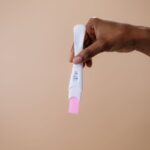
Home urine tests detect hCG and are generally accurate when used around the time of a missed period. Testing too early can produce a false negative because hCG may not yet be high enough to detect. If a test is negative but symptoms continue or a period does not arrive, testing again a few days later is reasonable.
A blood test can detect hCG earlier and measure the exact level, which can help track whether a pregnancy is progressing normally. An ultrasound can confirm the location and viability of a pregnancy, usually after hCG reaches a certain level or around five to six weeks of gestation.
If you are unsure whether you are pregnant or are experiencing symptoms that concern you, contacting a healthcare provider is the most reliable next step. Early prenatal care supports both parent and baby, and it is the appropriate time to ask about any symptom that feels unusual or worrying.
Frequently Asked Questions
How early can you feel pregnancy symptoms?
Most physical symptoms begin after implantation, which occurs about six to twelve days after fertilization. Some people notice changes within days of implantation, while others feel nothing for several weeks.
Can you have pregnancy symptoms and still get a negative test?
Yes, a negative test can happen if hCG levels are not yet high enough to detect, which is common when testing before a missed period. Testing again a few days later or using a blood test can give a clearer answer.
Is it normal to have no early pregnancy symptoms?
Yes, having few or no symptoms in early pregnancy is common and does not indicate a problem. Symptom intensity varies widely and is not a reliable measure of how a pregnancy is progressing.
What does implantation feel like?
Some people describe a mild tugging or cramping low in the abdomen, sometimes with light spotting. Many people feel nothing at all during implantation.
