
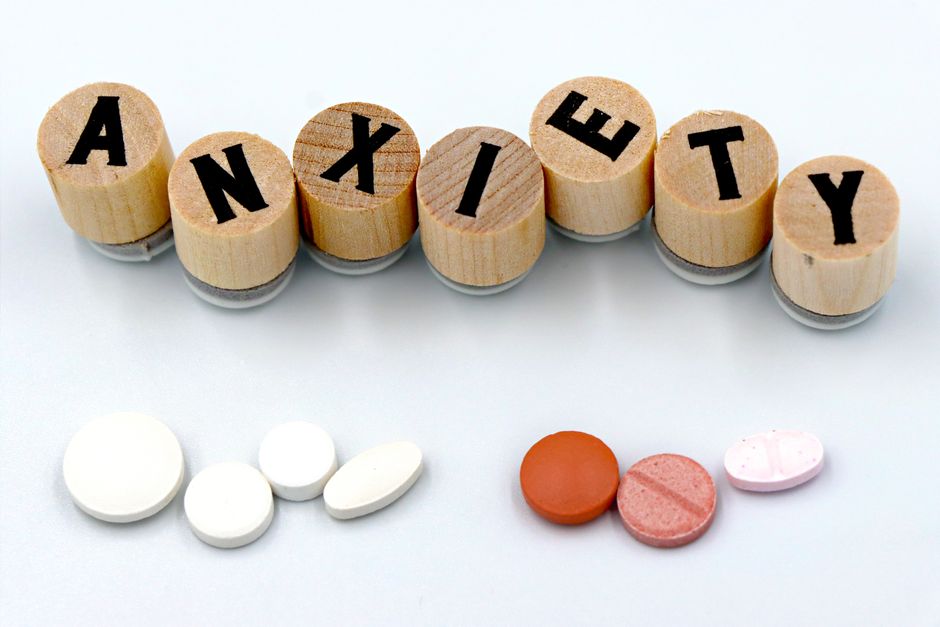
If you are searching for how to get rid of anxiety forever what really works, you need to know this upfront: no single method eliminates anxiety permanently for everyone. What works is a combination of proven treatments, lifestyle changes, and understanding that anxiety is a normal human response, not a flaw to be erased. The real answer is learning to manage it so well that it no longer controls your life.
What Is Anxiety and Why Does It Feel Permanent?
Anxiety is your body’s alarm system. It evolved to keep you safe from threats. The problem is that for many people, this alarm goes off when there is no real danger. Your brain cannot always tell the difference between a real threat like a car swerving toward you and a perceived threat like giving a presentation at work.
Research from the National Institute of Mental Health shows that anxiety disorders affect over 19% of US adults each year. That is roughly 40 million people. You are not broken. You are not alone. Your brain is just working a little too hard to protect you.
Anxiety feels permanent because your brain has learned a pattern. It has created neural pathways that fire automatically. The good news is that these pathways can change. This is called neuroplasticity. Your brain can learn new patterns with the right tools and practice.
What Does Research Say About How To Get Rid Of Anxiety Forever What Really Works?
The strongest evidence points to Cognitive Behavioral Therapy or CBT. The American Psychological Association recommends CBT as a first-line treatment for anxiety disorders. Studies published in JAMA Psychiatry have found that CBT is as effective as medication for many people, and its effects last longer after treatment ends.
CBT works by changing how you think and what you do. It teaches you to identify distorted thoughts like “everything will go wrong” and replace them with more realistic ones. It also involves exposure therapy, where you face feared situations in a safe, gradual way.
Medication can also help. Selective serotonin reuptake inhibitors (SSRIs) like sertraline and escitalopram are commonly prescribed. They are not a cure, but they can reduce symptoms enough for therapy to work better. The CDC reports that combining medication with therapy is more effective than either alone for moderate to severe anxiety.
There is no magic pill that makes anxiety disappear. What works is a structured approach that addresses both the thoughts and the biology.
Which Lifestyle Changes Have Real Evidence for Anxiety?
Exercise is one of the most powerful tools. Research published in the Journal of Clinical Psychiatry found that regular aerobic exercise reduces anxiety symptoms as much as some medications. You do not need to run a marathon. Thirty minutes of brisk walking five days a week makes a real difference.
Sleep is another critical factor. The CDC states that adults need 7 to 9 hours per night. When you are sleep-deprived, your amygdala (the brain’s fear center) becomes more active. Your emotional control center in the prefrontal cortex becomes less active. This is a recipe for more anxiety.
What you eat matters too. Some studies suggest that a diet high in processed foods and sugar can worsen anxiety. The evidence is not as strong as for exercise and sleep, but many people report feeling better when they eat whole foods with plenty of vegetables, protein, and healthy fats.
Caffeine and alcohol are worth looking at closely. Caffeine triggers the same fight-or-flight response as anxiety. If you are prone to anxiety, reducing or eliminating caffeine can help. Alcohol may calm you temporarily, but it disrupts sleep and can cause rebound anxiety the next day.





What Breathing and Mindfulness Techniques Actually Work?
Deep breathing is not just a relaxation trick. It directly affects your nervous system. When you breathe slowly and deeply, you activate the vagus nerve. This nerve tells your body to switch from fight-or-flight mode to rest-and-digest mode.
The most studied technique is called diaphragmatic breathing or belly breathing. Here is how it works:
- Sit or lie down in a comfortable position
- Place one hand on your chest and one on your belly
- Breathe in slowly through your nose for 4 seconds, feeling your belly rise
- Hold for 4 seconds if comfortable
- Breathe out slowly through your mouth for 6 seconds
- Repeat for 5 to 10 minutes
Mindfulness meditation has solid research behind it. A meta-analysis published in JAMA Internal Medicine found that mindfulness programs significantly reduce anxiety. The key is consistency. Even 10 minutes a day is more effective than doing an hour once a week.
One common misconception is that mindfulness means emptying your mind. That is not true. It means noticing your thoughts without judging them. You watch your anxiety like clouds passing in the sky. You do not try to stop the clouds. You just let them drift by.
How Do You Know If You Need Professional Help?
Anxiety becomes a disorder when it interferes with your daily life. If you avoid situations because of fear, if you cannot sleep, if your relationships suffer, or if you feel anxious most days for months, it is time to see a professional.
There are different types of anxiety disorders. Generalized anxiety disorder involves chronic worry about many things. Panic disorder involves sudden attacks of intense fear. Social anxiety disorder involves fear of being judged by others. Each responds best to slightly different treatments.
A good starting point is your primary care doctor. They can rule out medical causes like thyroid problems or heart conditions that can mimic anxiety. They can also refer you to a therapist who specializes in anxiety.
If you have thoughts of harming yourself, call 988. That is the Suicide and Crisis Lifeline. It is free, confidential, and available 24/7. You do not have to be in crisis to call. They can help you find resources.
| Treatment Option | How It Works | Evidence Level |
|---|---|---|
| Cognitive Behavioral Therapy | Changes thought patterns and behaviors | Strong – multiple large trials |
| SSRI Medication | Increases serotonin in the brain | Strong – FDA approved |
| Regular Exercise | Reduces stress hormones and boosts mood chemicals | Strong – meta-analyses confirm |
| Mindfulness Meditation | Teaches non-judgmental awareness | Moderate to strong |
| Diet Changes | Reduces inflammation and stabilizes blood sugar | Moderate – more research needed |
What Common Misconceptions Should You Avoid?
The biggest myth is that you can just “snap out of it.” Anxiety is not a choice. It is a biological and psychological condition. Telling someone to calm down is about as helpful as telling someone with a broken leg to walk it off.
Another myth is that medication changes your personality. SSRIs do not make you a different person. They reduce the volume of anxiety so you can think more clearly. Some people do experience side effects like nausea or sexual problems, but these often improve over time or with dose adjustments.
Some people believe that avoiding anxiety triggers is the answer. This actually makes anxiety worse in the long run. Avoidance tells your brain that the thing you fear is dangerous. Exposure therapy works by proving to your brain that you can handle the situation safely.
There is no clinical evidence that herbal supplements like kava or valerian root cure anxiety. Some people report feeling calmer, but the research is weak and inconsistent. Kava has been linked to liver damage in some cases. Always talk to your doctor before taking any supplement.
As of 2026, there is no clinical evidence that any “quick fix” permanently eliminates anxiety. Be skeptical of anyone who promises a cure in a few sessions or with a single product. Real change takes time, effort, and often professional guidance.
How To Get Rid Of Anxiety Forever What Really Works: A Realistic Plan
There is no forever fix. But you can get to a place where anxiety is a small voice in the background instead of a screaming alarm. Here is a realistic plan based on what actually works.
Start with your doctor. Get a physical exam to rule out medical causes. Ask about therapy and medication if your symptoms are moderate to severe.
Begin therapy, specifically CBT. Many therapists offer online sessions now. The average course is 12 to 20 sessions. You will learn skills you can use for the rest of your life.
Add exercise to your routine. Start small. Five minutes of walking is better than nothing. Build up to 30 minutes most days.
Fix your sleep. Go to bed and wake up at the same time every day, even on weekends. No screens for 30 minutes before bed. Keep your room cool and dark.
Practice breathing or mindfulness for 5 to 10 minutes daily. Use an app if it helps. Consistency matters more than duration.
Reduce caffeine and alcohol. See how you feel after a week without them. Many people are surprised by how much calmer they feel.
Be patient with yourself. You are rewiring a brain that has been on high alert for years. That takes time. Some days will be harder than others. That is normal. What matters is that you keep going.
Frequently Asked Questions
Can anxiety really go away forever?
For most people, anxiety does not completely disappear, but it can become manageable to the point where it no longer interferes with daily life. With effective treatment, many people experience long-term remission of symptoms.
What is the most effective treatment for anxiety?
Cognitive Behavioral Therapy has the strongest research support for treating anxiety disorders. Combining therapy with medication when needed gives the best results for moderate to severe cases.
How long does it take to treat anxiety successfully?
Most people notice improvement within 8 to 12 weeks of starting CBT or medication. Full benefits often take 6 months or more, and maintenance strategies are needed long-term.
Can diet changes really help with anxiety?
Some studies suggest that a whole-foods diet low in processed sugar can reduce anxiety symptoms, but the evidence is not as strong as for therapy or exercise. Many people report feeling better when they eat well, but diet alone is rarely a complete solution.
