
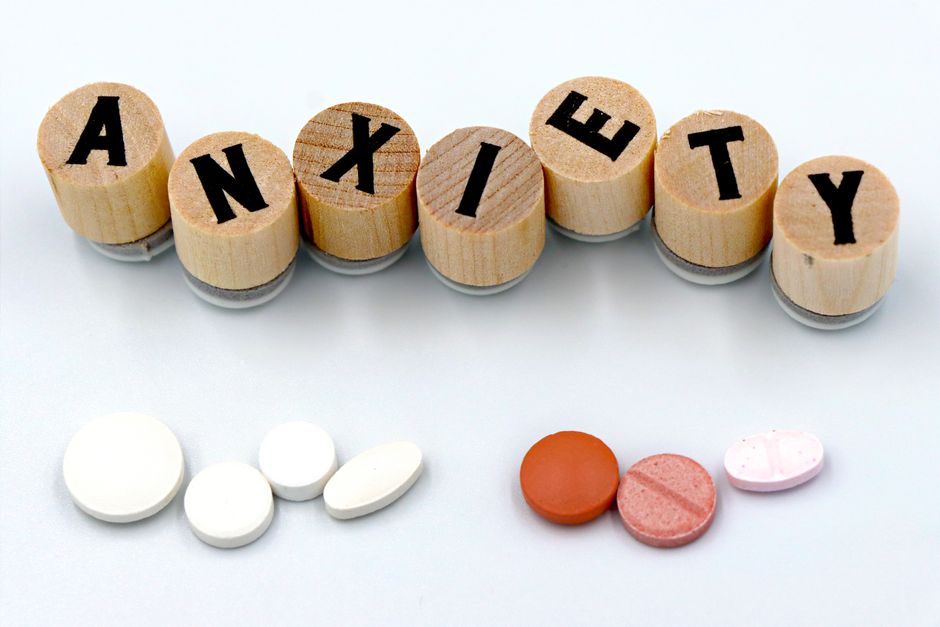
Anxiety is one of the most common mental health challenges, but it is also one of the most treatable. The goal is not to eliminate anxiety completely—that is neither possible nor healthy—but to stop it from controlling your life and to build skills that prevent it from returning. Recovery happens through a combination of understanding how anxiety works, changing how you respond to it, and addressing the underlying patterns that keep it going.
What Does “Stopping Anxiety Forever” Actually Mean?
Anxiety is a normal human emotion. It is your brain’s alarm system, designed to protect you from danger. The goal of treatment is not to silence the alarm completely. It is to recalibrate it so it only goes off when there is a real threat.
People who recover from chronic anxiety do not live in a state of constant calm. They experience worry, nervousness, and fear like anyone else. The difference is that these feelings no longer spiral into panic, avoidance, or weeks of rumination. The anxiety passes like a wave instead of becoming a permanent state.
This distinction matters because chasing a life without any anxiety often makes it worse. Trying to suppress anxious thoughts gives them more power. Accepting that discomfort is temporary, and that you can handle it, is the foundation of lasting change.
Why Does Anxiety Keep Coming Back?
Anxiety persists because of a cycle. It starts with a trigger—a thought, a physical sensation, or an external event. Your brain interprets this as a threat. Your body responds with physical symptoms like a racing heart, rapid breathing, or muscle tension. You feel afraid of the fear itself.
The cycle continues through avoidance. If you avoid the thing that makes you anxious, you get immediate relief. That relief feels good, so your brain learns that the thing is dangerous. Next time, the anxiety is stronger. This is called the avoidance trap, and it is the single biggest reason anxiety does not go away on its own.
Another reason anxiety returns is that many people treat the symptoms but not the cause. Medication and relaxation techniques can reduce the intensity of anxiety in the moment. But if the underlying thought patterns and behavioral habits remain, the anxiety will find a new way to express itself. Lasting recovery requires changing the relationship you have with your thoughts, not just calming down.
How To Stop Anxiety Forever And Prevent Relapse?
Stopping anxiety and preventing relapse requires a structured approach. The most effective method is a combination of cognitive behavioral therapy (CBT) techniques, lifestyle changes, and consistent practice. There is no single pill or quick fix that provides permanent relief.
The core skill is exposure. This means deliberately facing the situations, sensations, and thoughts that trigger your anxiety, in a gradual and controlled way. Over time, your brain learns that the situation is not as dangerous as it predicted. The fear response naturally weakens. This is called habituation, and it is one of the most well-established findings in psychology.
Exposure works best when it is repeated and predictable. You start with the easiest version of the fear and work your way up. Each time you face the fear without escaping, you are rewiring your brain’s threat response. This is not about pushing yourself into panic. It is about staying in the situation long enough for your anxiety to peak and then come down on its own.
Alongside exposure, you need to challenge anxious thoughts. Anxiety often involves overestimating the likelihood of bad outcomes and underestimating your ability to cope. Writing down your anxious predictions and then examining the evidence for and against them helps reduce their power. This is a core component of CBT and has strong research support.



What Are The Most Effective Long-Term Strategies?
Several strategies have consistent evidence behind them for reducing anxiety and preventing relapse. These are not quick fixes. They are skills that need regular practice, much like physical exercise.
Cognitive Behavioral Therapy (CBT) is the most researched psychological treatment for anxiety disorders. It focuses on identifying and changing negative thought patterns and behaviors. Studies consistently show that CBT produces lasting changes that continue after treatment ends.
Acceptance and Commitment Therapy (ACT) is another approach with growing evidence. Instead of trying to change thoughts, ACT teaches you to observe them without judgment and commit to actions that align with your values. The goal is to make room for anxious thoughts without letting them dictate your behavior.
Mindfulness-based stress reduction trains you to focus on the present moment without judgment. Regular practice reduces reactivity to stress and helps you notice anxious patterns early, before they spiral. Some studies show it is as effective as medication for preventing relapse in recurrent depression, and it has similar benefits for anxiety.
Regular physical exercise has a direct effect on anxiety. Aerobic exercise reduces stress hormones and increases endorphins. It also provides a natural opportunity for exposure to physical sensations like a racing heart, which helps you learn that these sensations are not dangerous.
Sleep hygiene is often overlooked but critical. Sleep deprivation increases emotional reactivity and makes anxious thoughts harder to manage. Consistent sleep schedules, limiting caffeine in the afternoon, and reducing screen time before bed all support anxiety recovery.
When Should You Consider Medication?
Medication can be a valuable tool, especially when anxiety is severe enough to interfere with daily functioning. Selective serotonin reuptake inhibitors (SSRIs) are the most commonly prescribed class of medication for anxiety disorders. They are not addictive and are generally well tolerated.
Medication is most effective when combined with therapy. The medication reduces the intensity of symptoms, which makes it easier to engage in exposure and cognitive work. The skills you learn in therapy are what prevent relapse after medication is discontinued.
Talk to a psychiatrist or your primary care provider about whether medication is appropriate for your situation. They can discuss potential side effects, how long it takes to work, and what to expect. Antidepressants typically take several weeks to show full effect, and they should not be stopped abruptly without medical supervision.
What Does A Relapse Prevention Plan Look Like?
Relapse prevention is not about avoiding anxiety forever. It is about catching it early and responding effectively. People who maintain their recovery have a clear plan for what to do when anxiety spikes.
Your plan should include early warning signs. These are personal to you. They might include trouble sleeping, irritability, avoiding social plans, or physical tension. Write them down so you can recognize them before a full relapse occurs.
Your plan should also include a list of coping strategies that work for you. This might include breathing exercises, going for a walk, calling a friend, or using a specific thought-challenging worksheet. The key is to use these strategies consistently, not just when you are already overwhelmed.
It is normal to have setbacks. A difficult week, a stressful life event, or a period of poor sleep can bring anxiety back. This does not mean your recovery has failed. It means you need to return to your skills. People who recover permanently are not those who never struggle again. They are those who know how to respond when they do.
Lifestyle Factors That Make Anxiety Worse
Certain habits can quietly fuel anxiety. Caffeine is a common culprit. It triggers the same physical symptoms as anxiety—racing heart, restlessness, sweating—and can make anxious thoughts feel more urgent. Reducing or eliminating caffeine, especially after midday, helps many people.
Alcohol is another factor. It provides short-term relief but disrupts sleep and increases anxiety the next day. This is sometimes called the rebound effect. Regular alcohol use can keep the anxiety cycle going even when you are doing everything else right.
Irregular eating patterns also matter. Low blood sugar can mimic anxiety symptoms and make you more reactive to stress. Eating balanced meals with protein and complex carbohydrates helps stabilize your mood throughout the day.
Frequently Asked Questions
Can anxiety be cured permanently?
Anxiety disorders can be effectively treated to the point where symptoms no longer interfere with your life, but the underlying tendency to feel anxious may remain. Long-term recovery is about learning to manage anxiety when it appears, not erasing it completely.
How long does it take to recover from anxiety?
Most people notice significant improvement within 8 to 12 weeks of consistent CBT or other evidence-based therapy. Full recovery and relapse prevention often take six months to a year of practice.
Is it better to use therapy or medication for anxiety?
Both are effective, and the best choice depends on the severity of your symptoms and your personal preferences. Combining therapy with medication is often more effective than either alone for moderate to severe anxiety.
What is the fastest way to calm an anxiety attack?
Slow, deep breathing—specifically exhaling longer than you inhale—activates the parasympathetic nervous system and helps lower your heart rate. Grounding techniques, like naming five things you can see, also help shift focus away from panic.
