
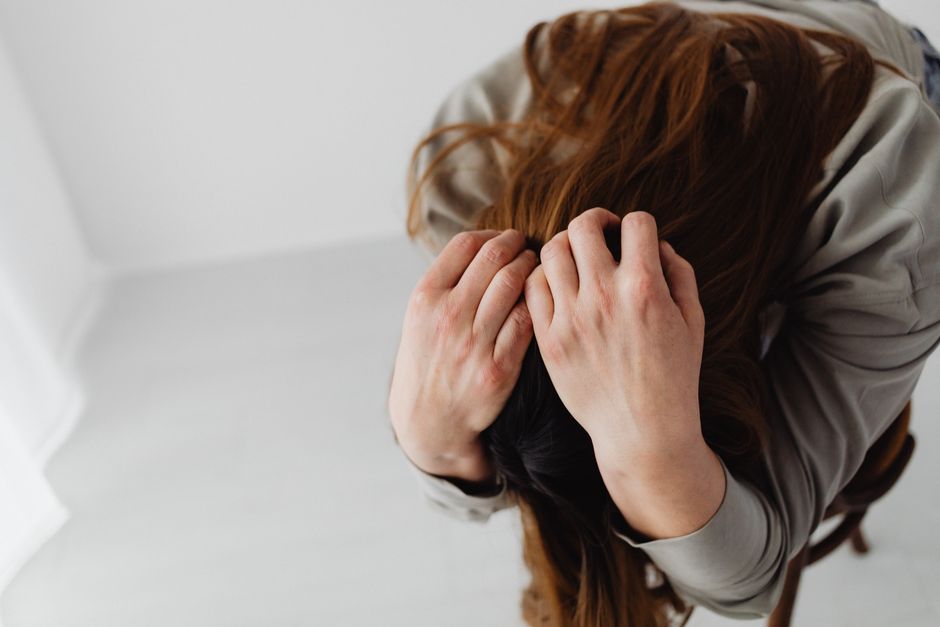
Flying anxiety affects many people, but effective strategies exist to help you manage it. Research shows that a combination of preparation, in-flight techniques, and in some cases professional support can significantly reduce symptoms. The key is using methods with real evidence behind them rather than unproven fixes.
Why Does Flying Trigger Anxiety?
Anxiety during flying usually comes from a few common sources. Loss of control is a big one — you are sitting in a metal tube at 35,000 feet and cannot get out. Confined spaces can trigger claustrophobia. Fear of heights, fear of crashing, and physical sensations like ear pressure or turbulence also play a role.
Your body reacts the same way it would to any real threat. Your heart rate rises, breathing gets shallow, muscles tense. That is the fight-or-flight response. For some people, just thinking about a flight can trigger these symptoms days in advance. Knowing that this is a normal physical reaction — not a sign you are in danger — can help reduce the fear of the fear itself.
What Preparation Actually Helps Before Your Flight?
Good preparation reduces anticipatory anxiety and gives you tools you can use on the plane. Studies show that the more predictable the experience feels, the less anxiety you tend to feel.
Start by learning about flying itself. Turbulence is normal, uncomfortable but rarely dangerous. The plane is designed to handle far more stress than it encounters. Understanding this takes away some of the mystery.
Choose your seat wisely. An aisle seat near the front of the cabin gives you more space and less sense of confinement. You can get up and move around more easily. Some people feel better sitting over the wing, where motion is less noticeable.
Bring specific distractions: a movie you have seen before, a podcast, a game on your phone. Download them ahead of time since Wi‑Fi may not work. Also bring a calming scent like lavender oil or a fidget item — these are simple but can help ground you.
Inform the flight attendant that you have flight anxiety. They are trained to check on you and can explain what is happening during turbulence. Just knowing someone is aware can lower your stress.
What In-Flight Techniques Are Supported by Evidence?
Once you are on the plane, several techniques have research backing for reducing acute anxiety. None is a guaranteed fix, but combining a few often helps.
Controlled breathing is one of the most studied methods. Slow, rhythmic breathing — for example, breathe in for 4 seconds, hold for 7, out for 8 — activates the parasympathetic nervous system and lowers heart rate. Even 2 minutes of this can shift your body’s stress response.
Grounding uses your senses to pull attention away from anxious thoughts. The 5-4-3-2-1 method works well: name 5 things you see, 4 you can touch, 3 you hear, 2 you smell, 1 you taste. This is simple but effective for many people.
Progressive muscle relaxation involves tensing and then releasing each muscle group. Evidence from clinical trials supports its use for general anxiety. Doing it during taxi or takeoff can reduce physical tension.
Cognitive reframing means challenging the thought that you are in danger. When your mind says “this plane is going to crash,” remind yourself that commercial aviation is extremely safe. Turbulence feels scary but has never caused a crash in modern aviation history. Repeating this factual statement to yourself can weaken the anxiety loop.





When Should You Consider Medication for Flying Anxiety?
For people with moderate to severe flying anxiety that does not respond to behavioral techniques, medication may be an option. But it requires careful planning and a discussion with a doctor.
Benzodiazepines like Xanax (alprazolam) or Ativan (lorazepam) are commonly prescribed for situational anxiety. They work quickly — usually within 30-60 minutes — and reduce both psychological and physical symptoms. However, they are sedating and can cause drowsiness, poor coordination, or memory gaps. They also have a risk of dependence if used frequently. No medication is FDA-approved specifically for flying anxiety, so this is an off-label use. You should never take a benzodiazepine for the first time on the day of a flight — try it at home first to know how your body reacts.
Beta‑blockers like propranolol are sometimes used for performance anxiety. They block adrenaline and reduce physical symptoms like shaking, sweating, and rapid heart rate. But the evidence for their effectiveness in pure anxiety conditions is limited. Some clinicians recommend them for physical symptoms, but they do not address the emotional fear itself.
Antihistamines like diphenhydramine (Benadryl) are not approved for anxiety and can make you drowsy without reliably reducing anxious thinking. Melatonin is also not a treatment for anxiety.
The general recommendation is to avoid alcohol. It may calm you temporarily, but it can increase anxiety when it wears off and interferes with sleep. It also interacts with many anxiety medications.
Is Professional Therapy Effective for Flying Anxiety?
Yes — therapy is one of the most effective long-term solutions. Cognitive behavioral therapy (CBT) and exposure therapy have strong research support for specific phobias including flying.
In CBT, you learn to identify and change the thoughts that drive your fear. For example, you learn to replace “the plane will crash because it is bumpy” with “turbulence is normal and safe.” You also practice coping skills like breathing and relaxation.
Exposure therapy involves gradually facing the fear in a controlled way. You might start by watching videos of planes, then visit an airport, then take a short flight with a therapist. This process retrains your brain that the feared outcome does not happen. Virtual reality exposure therapy, which uses a headset to simulate flying, also has growing evidence and can be done in an office.
A typical course of CBT for flying anxiety is 4-8 sessions. Many people feel significantly better after treatment. Results tend to last because you learn skills you can use on every future flight.
Below is a quick comparison of the main approaches. Keep in mind that research support varies, and what works best depends on your specific symptoms and your willingness to practice the techniques.
| Approach | Examples | Evidence Summary |
|---|---|---|
| Preparation | Learning about flying, choosing seat, distraction tools | Good support for reducing anticipatory anxiety |
| In‑flight techniques | Controlled breathing, grounding, muscle relaxation, cognitive reframing | Moderate to strong support for acute anxiety reduction |
| Medication | Benzodiazepines, beta‑blockers | Mixed evidence; effective for some but carries risks; no FDA approval for this use |
| Therapy | CBT, exposure therapy (including VR) | Strong support from multiple clinical trials; long‑lasting results |
How to Handle Flying Anxiety When You Are Already in the Air
If your anxiety spikes mid‑flight, start with the simplest tool: slow breathing. Place your hand on your stomach and breathe in through your nose for 4 seconds, hold for 7, out through your mouth for 8. Do this for 2 minutes.
Next, ground yourself using the 5-4-3-2-1 method. Look around the cabin and name things you see, hear, and touch. This pulls your focus away from catastrophic thoughts.
If you have a safe person with you, tell them what is happening and ask them to talk about something neutral, like a movie or a trip you took together. Avoid reassurance‑seeking (“Is the plane okay?”) because it reinforces the fear.
Remember that anxiety peaks and then fades. It usually lasts 10–20 minutes before the body’s stress hormones naturally drop. Let the wave pass without fighting it.
Frequently Asked Questions
Can flying anxiety be cured?
Yes, most people can achieve lasting relief with therapy like CBT or exposure therapy. “Cured” is a strong word, but many people no longer meet the criteria for a phobia after treatment.
Does alcohol help with flying anxiety?
No. Alcohol can worsen anxiety once it wears off and interferes with sleep and judgment. It also interacts with many anxiety medications.
Is it safe to take anxiety medication before flying?
It can be safe if prescribed by your doctor and tried at home first. Never take a new medication for the first time on the day of a flight. Also avoid combining it with alcohol.
What is the best breathing technique for flying anxiety?
The 4-7-8 method (inhale 4 seconds, hold 7, exhale 8) has good evidence for lowering heart rate and reducing acute anxiety. Practice it a few times before your flight so it feels natural.
