
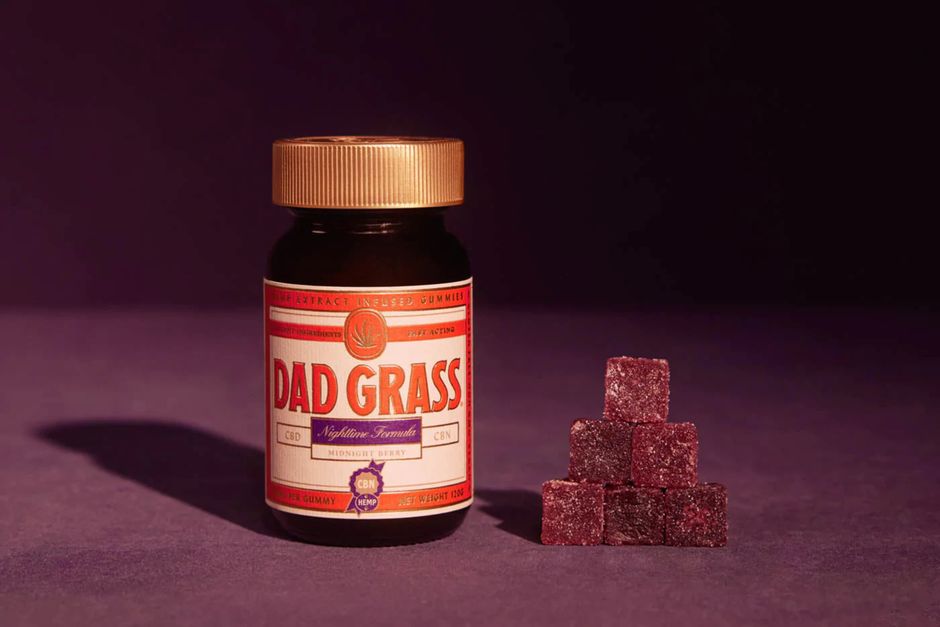
Edible highs can feel much stronger and last much longer than smoked cannabis. If you took too much, the effects usually fade on their own, but several things can help you feel more comfortable while you wait. The most effective approach is to stay calm, hydrate, eat something, and rest in a quiet place. Time is the only true cure, but these strategies can make the experience more manageable.
How To Get Rid Of An Edible High What Works?
The short answer is that nothing instantly stops an edible high. Your liver converts THC into a stronger form called 11-hydroxy-THC, which is why edibles feel more intense and last longer than inhaled cannabis. The effects typically peak between two and four hours after consumption and can last anywhere from six to twelve hours or more. You cannot speed up how quickly your body processes THC, but you can reduce the discomfort while it runs its course.
What works best is a combination of calming your nervous system, addressing physical symptoms, and accepting that the high will end. Panic makes the experience worse. Reminding yourself that the feeling is temporary and not dangerous is one of the most effective tools you have. If you are with someone who is too high, your most important job is to stay calm and reassure them rather than trying to “fix” the high with unproven remedies.
Why Do Edibles Hit So Much Harder Than Smoking?
When you smoke or vape cannabis, THC goes from your lungs directly into your bloodstream and reaches your brain within minutes. The effects peak quickly and taper off within a couple of hours. Edibles take a different route. The THC passes through your stomach and liver, where it is converted into 11-hydroxy-THC. This compound crosses the blood-brain barrier more easily than regular THC, which is why the high feels more sedating and more intense.
This metabolic difference also explains why edibles last so long. Your body has to break down the active compounds through digestion, which is a slower process than clearing THC from the blood after inhalation. Understanding this mechanism helps explain why a “cure” for an edible high does not exist. The THC has already been absorbed and converted. Your body needs time to clear it.
What Actually Helps Calm an Overwhelming Edible High
Several strategies can genuinely reduce the anxiety and physical discomfort of being too high. These do not eliminate THC from your system, but they do make the experience more tolerable.
- Find a quiet, comfortable place. Reduce noise, dim the lights, and lie down if you can. Sensory input can feel overwhelming when you are too high.
- Drink water. Dehydration can worsen anxiety and physical discomfort. Sip water slowly rather than chugging it.
- Eat something light. A small snack with protein or complex carbohydrates can help stabilize blood sugar, which may reduce jitteriness. Avoid large heavy meals that can make nausea worse.
- Take slow, deep breaths. Inhale for four counts, hold for four counts, exhale for four counts. This activates your parasympathetic nervous system and can lower your heart rate.
- Take a warm shower or bath. Warm water can relax tense muscles and provide a grounding physical sensation.
- Distract yourself with something familiar. A comforting TV show, gentle music, or a phone call with a trusted friend can shift your focus away from the high.
- Sleep if you can. Sleep is the most reliable way to pass the time during a long edible high. Even dozing for thirty minutes can make a difference in how you feel when you wake up.
These strategies are not cures. They are comfort measures. They help you ride out the experience with less distress, which matters because distress amplifies the negative aspects of a high.





What Does Not Work and Can Make Things Worse
Some popular remedies circulating online have no evidence behind them and can actually increase your discomfort. Knowing what to avoid is as important as knowing what to do.
Drinking alcohol intensifies the effects of THC and can increase nausea, dizziness, and confusion. Combining alcohol with edibles can also raise the risk of vomiting and dehydration. Avoid alcohol entirely while you are high.
Taking more cannabis of any kind will not balance out the high. It only adds more THC to your system and extends the duration of your symptoms.
Caffeine can worsen anxiety and racing thoughts. If you are already feeling jittery or paranoid, coffee or energy drinks will likely make it worse.
Cold showers are sometimes recommended online, but the shock of cold water can spike adrenaline and increase panic. A warm shower is a better choice.
Chewing black peppercorns is a folk remedy that some people claim reduces cannabis anxiety. The theory is that certain compounds in black pepper interact with the same receptors as THC. No clinical evidence supports this, and it is not a reliable treatment. It will not hurt you, but do not expect it to end the high.
When Should You Seek Medical Help for an Edible High?
An edible high is not a medical emergency by itself. No one has died from a THC overdose, because THC does not suppress the breathing center in the brain the way opioids or alcohol can. However, you should seek medical attention if the person experiencing the high shows signs of a more serious problem.
Go to an emergency room or call emergency services if the person has difficulty breathing, severe chest pain, seizures, loss of consciousness, or is vomiting uncontrollably and cannot keep fluids down. Also seek help if the person is showing signs of a severe panic attack that does not respond to reassurance, or if they are confused about where they are or who they are with for an extended period.
If you go to an emergency room, be honest about what was consumed. Medical staff are not there to judge you. Knowing that the person consumed an edible and roughly how much they took helps doctors determine the right course of action. Treatment in an emergency setting is usually supportive care, such as IV fluids for dehydration and medication to control severe anxiety or nausea.
Children and pets are a different situation. If a child or a pet has consumed an edible, contact a poison control center or seek emergency care immediately. Their bodies are smaller, and the effects can be more dangerous.
How Long Will the High Actually Last?
There is no single timeline that fits everyone. Several factors influence how long an edible high lasts, including your body weight, metabolism, how much you ate before consuming the edible, the dose, and your individual tolerance to cannabis.
In general, you can expect to feel the first effects within thirty minutes to two hours after eating an edible. The peak effects usually occur between two and four hours after consumption. After the peak, the intensity gradually fades over the next several hours. Most people report feeling mostly back to normal within eight to twelve hours, though some report feeling “foggy” or tired the next day, especially after a large dose.
If you have eaten a very high dose, the effects can last longer. Some people report feeling the effects for a full 24 hours, though this is less common. The “hangover” feeling the next day is usually just residual sedation and fatigue, not an active high.
Does CBD Help With an Edible High?
Some people report that CBD reduces the anxiety caused by THC. The theory is that CBD can modulate the effects of THC on the brain’s cannabinoid receptors. The evidence here is mixed. Some studies suggest that CBD can counteract some of THC’s psychoactive effects, while other studies find no significant interaction.
If you have CBD on hand, taking it is unlikely to cause harm and may help with anxiety for some people. However, it is not a guaranteed antidote, and it will not quickly eliminate the high. Do not take a large dose of CBD expecting an immediate reversal of symptoms. Treat it as a possible comfort measure with limited and inconsistent evidence behind it.
What To Do If Someone Else Is Too High
If you are helping someone who is experiencing an overwhelming edible high, your behavior matters more than any remedy. Speak in a calm, low voice. Use short, simple sentences. Reassure them that they are safe, that the feeling is temporary, and that it will pass. Do not argue with them or try to convince them they are being irrational. Do not leave them alone if they are highly distressed.
Encourage them to sit or lie down in a comfortable position. Offer water and a light snack. Put on something familiar and calming on the TV or music. If they are willing, guide them through slow breathing exercises. If they want to sleep, help them get comfortable and check on them periodically.
If the person becomes increasingly agitated, confused, or physically unwell, do not hesitate to seek medical help. It is better to overreact and get professional support than to wait and watch someone deteriorate.
Frequently Asked Questions
How long does an edible high last?
Most edible highs last between six and twelve hours, with the peak effects occurring two to four hours after consumption. Higher doses and individual metabolism can extend this timeline.
Can you drink water to get rid of an edible high?
Water does not flush THC out of your system, but it helps prevent dehydration, which can worsen anxiety and physical discomfort. Drink water slowly to stay hydrated while the high runs its course.
Does throwing up help an edible high?
If you consumed the edible very recently, vomiting may remove some unabsorbed THC from your stomach. Once the THC has been absorbed, which happens within an hour or two, vomiting will not reduce the high.
Is an edible overdose dangerous?
THC does not suppress breathing, so an edible overdose is not life-threatening in the way an opioid overdose is. However, severe anxiety, panic attacks, and uncontrollable vomiting are reasons to seek medical help.
