
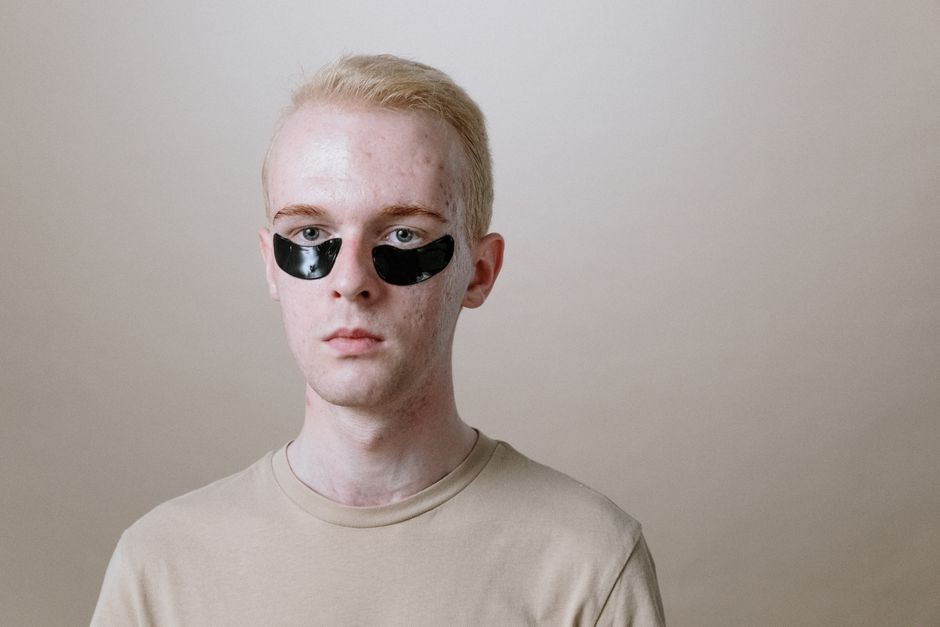
Waking up with a pimple on your lip is frustrating. You need it gone before work or that event tomorrow. The honest truth is that no treatment can make a pimple completely disappear in eight hours. What you can do overnight is reduce the swelling and redness so it is far less noticeable by morning. The most effective approach combines a warm compress, a spot treatment with benzoyl peroxide or salicylic acid, and a hydrocolloid bandage. This routine shrinks the pimple and flattens it enough to make a real difference by sunrise.
Why Do Pimples Form On The Lip Line?
A pimple on your lip is usually the same as a pimple anywhere else on your face. It starts when a hair follicle gets clogged with oil and dead skin cells. Bacteria multiply inside the clogged pore, and your immune system responds with inflammation. That inflammation is what causes the redness, swelling, and pain.
The lip area is sensitive because the skin is thin and moves constantly when you talk and eat. This makes the pimple feel more painful and look more swollen than a similar pimple on your cheek. The location also means you have to be careful with treatment. Products that are safe for your chin can irritate the delicate border of your lips.
How To Get Rid Of A Pimple On Your Lip Overnight
Start with a warm compress. Soak a clean washcloth in warm water and hold it against the pimple for 5 to 10 minutes. The heat increases blood flow to the area, which helps bring the infection to a head and reduces pain. Do this before applying any treatment product.
Next, apply a spot treatment. Look for a gel or cream containing benzoyl peroxide or salicylic acid. Benzoyl peroxide kills the bacteria inside the pore. Salicylic acid helps unclog the pore by breaking down the oil and dead skin. Use a tiny amount — just enough to cover the pimple itself. Do not spread it over the whole lip area.
Finish with a hydrocolloid bandage. These are the small round stickers sold as pimple patches. They absorb fluid from the pimple overnight and create a barrier that stops you from picking at it. Apply the patch after the spot treatment has dried. Leave it on for at least six hours. In the morning, gently remove the patch and rinse the area with cool water.
What Not To Do Before Bed
Do not pop the pimple. Popping pushes bacteria deeper into the skin and makes the inflammation worse. A popped pimple takes longer to heal and is more likely to leave a dark spot or scar. This is especially true on the lip area where the skin is thin.
Do not scrub the area. Aggressive washing or exfoliating strips away the skin’s protective barrier. This makes the pimple more irritated and can cause it to swell more. Wash your face gently with a mild cleanser and lukewarm water.
Do not apply toothpaste. This is a common home remedy that has no evidence behind it. Toothpaste contains ingredients that dry out the skin, but it also contains chemicals that cause severe irritation and chemical burns on sensitive skin. The damage is often worse than the original pimple.
Do not pile on multiple treatments. Using benzoyl peroxide, salicylic acid, and tea tree oil together will not work faster. It will only increase irritation. Pick one spot treatment and stick with it.


Is It Actually A Cold Sore?
Not every bump on your lip is a pimple. Cold sores, caused by the herpes simplex virus, look similar but behave differently. Knowing which one you have matters because treatments for pimples do not help cold sores and can make them worse.
A pimple usually appears as a single red bump that may have a white center. It can be tender but is not typically painful in a burning or tingling way. A cold sore often starts with a tingling or burning sensation a day before the blister appears. Cold sores are clusters of small fluid-filled blisters that eventually crust over.
If you feel tingling before the bump appears, or if you see multiple tiny blisters, it is likely a cold sore. Antiviral creams like docosanol can shorten a cold sore’s healing time if applied early. Benzoyl peroxide will not help and may irritate the cold sore further.
If you are not sure what you have, do not apply any treatment until you look more closely in bright light. The distinction between a single pimple and a cluster of blisters is usually clear. If the bump lasts longer than two weeks or keeps coming back in the same spot, see a dermatologist.
How Long Does A Lip Pimple Actually Last?
With treatment, a small pimple can shrink noticeably within 12 to 24 hours. The redness fades and the bump flattens, but it will not be completely gone. A full resolution typically takes 3 to 5 days from the time the pimple first appears.
Without treatment, a pimple usually runs its course in 5 to 7 days. The timeline depends on how deep the pimple is and how much inflammation is present. A deep, painful pimple under the skin takes longer to resolve than a superficial whitehead.
Overnight treatment is about damage control, not a cure. The goal is to reduce the visible inflammation so the pimple is less obvious. It will still be there in the morning, but it should be smaller, less red, and less painful.
How To Prevent Lip Pimples
Lip pimples often come from habits you may not notice. Touching your face transfers bacteria and oil from your hands to your skin. Resting your chin or lip on your hand while you work or read is a common trigger. Being aware of this habit and reducing it can prevent future breakouts.
Lip balm and lipstick can clog the pores around your lip line. Check the ingredients in your lip products. Heavy, waxy formulas are more likely to cause breakouts than lighter products. If you notice pimples forming where your lip product touches your skin, try switching to a non-comedogenic formula.
Hormonal changes are another factor. Many women notice pimples around their mouth and chin in the week before their period. This is a normal response to changing hormone levels and is not something you can fully prevent with topical products.
Washing your pillowcase weekly helps. Your face presses into the pillowcase for hours each night, and the fabric collects oil, dead skin, and product residue. A clean pillowcase reduces the chance of bacteria transferring back to your skin.
When To See A Dermatologist
Most lip pimples resolve on their own and do not need medical attention. See a dermatologist if a pimple lasts longer than two weeks without improving. This could be a sign of a different skin condition that needs a specific treatment.
See a doctor if the area becomes severely swollen, hot to the touch, or if red streaks spread from the pimple. These are signs of a skin infection that may need prescription treatment. The area around the mouth is close to important blood vessels, so infections here should not be ignored.
If you get deep, painful pimples on your lip line regularly, a dermatologist can prescribe stronger treatments. Prescription options include topical antibiotics, retinoids, or oral medications. These are more effective than over-the-counter products for persistent breakouts.
Frequently Asked Questions
Can ice reduce a pimple on my lip overnight?
Yes, ice can reduce swelling. Wrap an ice cube in a clean cloth and hold it against the pimple for 2 to 3 minutes at a time to numb pain and constrict blood vessels.
Is it safe to put hydrocortisone cream on a lip pimple?
Hydrocortisone can reduce redness and swelling from inflammation, but it does not treat the bacteria causing the pimple. Use it sparingly and only for a day or two, as prolonged use on the face can thin the skin.
Why does my pimple on the lip hurt more than other pimples?
The skin on your lip line is thin and close to the surface, so swelling presses on sensitive nerve endings. The area also moves constantly when you talk, eat, and smile, which aggravates the inflamed spot.
