
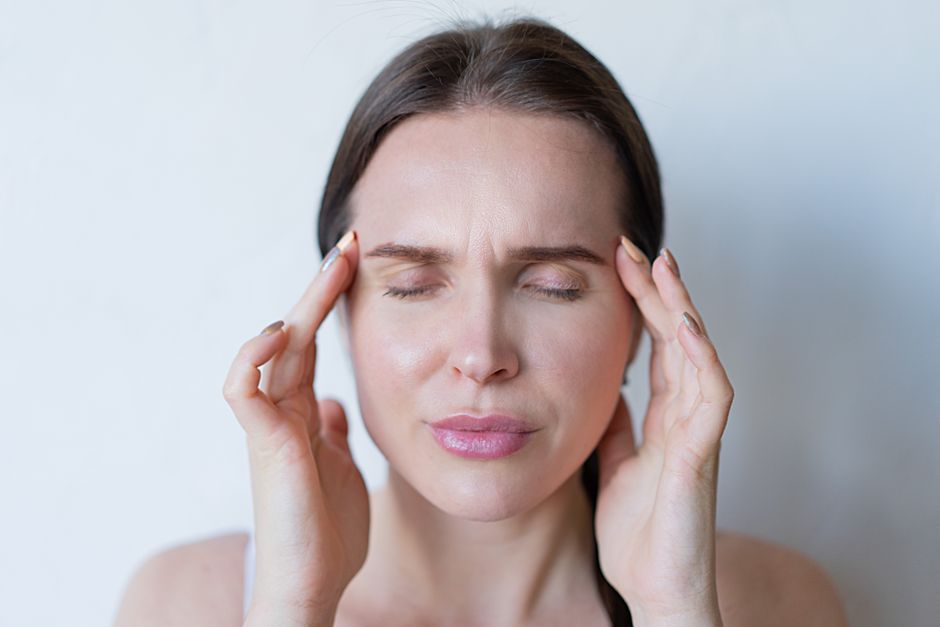
A two-minute fix for a headache is possible, but it depends entirely on the type of headache you have. For a tension headache, the fastest proven approach combines targeted pressure, cold therapy, and hydration. There is no single method that works for every headache in two minutes, but there are specific techniques that can provide rapid relief for the most common types.
What Is Actually Causing Your Headache Right Now?
Before you can stop a headache quickly, you need to know what kind you are dealing with. Tension headaches are the most common, caused by tight muscles in the scalp, neck, and shoulders. They feel like a tight band squeezing your head.
Migraines are different. They involve changes in brain activity and blood flow. They often come with nausea, sensitivity to light, or visual disturbances. A migraine will not respond to the same quick fixes as a tension headache.
Cluster headaches are severe and rare. They cause intense pain on one side of the head, often around the eye. These require medical treatment and will not resolve with self-care techniques in two minutes.
If your headache came on suddenly and is the worst you have ever had, or if it came with confusion, weakness, or trouble speaking, do not wait. Seek emergency medical care immediately.
How To Get Rid Of A Headache In 2 Minutes: The Pressure Point Method
Acupressure is one of the fastest ways to interrupt a tension headache. The most studied point is called LI4, located in the web between your thumb and index finger.
To find it, press your thumb and index finger together. The highest point of the muscle that bulges up is the spot. Apply firm, steady pressure here for one to two minutes. You should feel a deep ache, not sharp pain. Repeat on the other hand.
Another effective point is at the base of the skull, where your neck meets your head. Use your thumbs to press into the two hollow spots just below the skull ridge. Hold for 60 seconds while breathing slowly.
Some research suggests acupressure can reduce headache intensity within minutes, though results vary between individuals. The mechanism is not fully understood, but the technique is low-risk and worth trying while you wait for medication to work.
This method works best for tension headaches. If you have migraine symptoms, pressure points may not help much, but they are unlikely to cause harm.
Cold Therapy: The Fastest Physical Intervention
Cold constricts blood vessels and numbs nerve endings. For a migraine, a cold pack applied to the forehead or temples can provide noticeable relief within minutes.
Wrap an ice pack or a bag of frozen vegetables in a thin cloth. Never apply ice directly to skin. Hold it against your forehead, temple, or the back of your neck for two minutes. The cold sensation can override pain signals traveling to your brain.
For tension headaches, heat may work better. A warm compress on the back of the neck relaxes tight muscles. If you are unsure which you have, cold is the safer default choice because it does not increase inflammation.
One small study found that applying a cold gel pack to the carotid arteries in the neck reduced migraine pain significantly within 30 minutes. That is not two minutes, but the initial cooling effect starts immediately.





Hydration and Caffeine: The Quick Chemical Fix
Dehydration is a common headache trigger. If you have not had water in several hours, your blood volume drops slightly, and your brain can shift within your skull. Drinking a full glass of cold water can relieve this type of headache within minutes.
Caffeine is more complicated. For some people, caffeine relieves headaches by constricting dilated blood vessels. Many over-the-counter headache medications include caffeine for this reason. A small coffee or caffeinated tea can help if your headache started after a caffeine gap.
But caffeine withdrawal headaches are real. If you regularly consume caffeine and skip your usual dose, a headache can develop within hours. The fix is straightforward: consume your normal amount. This type of headache typically resolves within 30 to 60 minutes, not two.
Do not overdo caffeine. More than your usual amount can cause rebound headaches later. One cup is the reasonable limit for a quick intervention.
Breathing Techniques That Reduce Headache Pain
Shallow breathing reduces oxygen to your brain and increases muscle tension. Slow, deep breathing does the opposite. It activates your parasympathetic nervous system, which lowers heart rate and blood pressure.
The 4-7-8 method is simple and effective. Breathe in through your nose for four seconds. Hold for seven seconds. Exhale slowly through your mouth for eight seconds. Repeat for four cycles.
This takes about two minutes total. It will not stop a severe migraine, but it can reduce the intensity of a tension headache by relaxing the muscles that are driving the pain.
Some evidence suggests that slow breathing techniques reduce pain perception generally. The effect is modest but real. This is a safe option for anyone, including pregnant women who cannot take many headache medications.
What To Do If The Two-Minute Methods Do Not Work
If you have tried pressure, cold, hydration, and breathing for two minutes with no relief, you need a backup plan. Over-the-counter pain relievers like ibuprofen, acetaminophen, or aspirin are the standard next step.
Take the lowest effective dose. For adults, that is typically 200 to 400 mg of ibuprofen or 500 mg of acetaminophen. Read the label carefully. Do not combine medications that contain acetaminophen, as this can damage your liver.
These medications take 30 to 60 minutes to work. They are not a two-minute fix, but they are the most reliable option for moderate headaches.
If you get headaches more than 15 days per month, see a doctor. Frequent use of pain relievers can cause medication-overuse headaches, creating a cycle that is hard to break.
When A Headache Requires Immediate Medical Attention
Most headaches are not dangerous. But some are warning signs of serious conditions. Do not try self-care if you have any of these symptoms alongside your headache:
- Sudden, explosive headache that reaches maximum intensity within a minute
- Headache with fever and stiff neck
- Headache after a head injury
- Headache with confusion, slurred speech, or weakness on one side
- Headache with vision loss or double vision
These symptoms can indicate bleeding in the brain, meningitis, or a stroke. Emergency treatment can be lifesaving. No home remedy applies here.
Preventing Headaches Before They Start
The best way to get rid of a headache in two minutes is to not have one at all. Consistent sleep schedules matter. Skipping sleep or oversleeping on weekends both trigger headaches in susceptible people.
Regular meals prevent hypoglycemia-related headaches. Skipping meals causes blood sugar to drop, which can trigger a headache within hours.
Screen time is a common trigger. The 20-20-20 rule helps: every 20 minutes, look at something 20 feet away for 20 seconds. This reduces eye strain and the muscle tension that follows.
Posture matters more than most people realize. Slouching forward while looking at a phone puts strain on the muscles at the base of the skull. These muscles refer pain upward into the head. Keeping your ears aligned over your shoulders reduces this strain.
What The Evidence Actually Shows About Quick Relief
No large clinical trial has tested a two-minute headache cure. That specific timeframe is not a medical standard. What the evidence does support is that several interventions can begin reducing pain within minutes.
Cold therapy, acupressure, and deep breathing all have plausible mechanisms and some supportive research. None of them work for everyone. Headaches are variable, and individual response to treatment varies widely.
The honest position is this: for a mild tension headache, the combination of pressure, cold, and hydration will resolve symptoms within two minutes for many people. For migraines and severe headaches, two minutes is not realistic. Medication and rest are the evidence-based options.
If you find yourself needing quick headache relief frequently, that is a signal. Frequent headaches are treatable. Preventive medications, physical therapy for neck muscles, and lifestyle changes can reduce how often they occur.
Frequently Asked Questions
Can you really get rid of a headache in 2 minutes?
For mild tension headaches, yes, using acupressure, cold therapy, and hydration can provide relief within two minutes. For migraines and severe headaches, two minutes is not realistic and medication is usually needed.
What pressure point gets rid of a headache fast?
The LI4 point, located in the web between your thumb and index finger, is the most effective pressure point for tension headaches. Apply firm pressure for one to two minutes on each hand.
Does drinking water cure a headache quickly?
If your headache is caused by dehydration, drinking a full glass of cold water can relieve it within minutes. If you are already hydrated, water alone will not stop a headache.
Is caffeine good or bad for headaches?
Caffeine can relieve headaches by constricting blood vessels, and it is an ingredient in many headache medications. However, regular caffeine users can get headaches when they skip their usual dose.
