
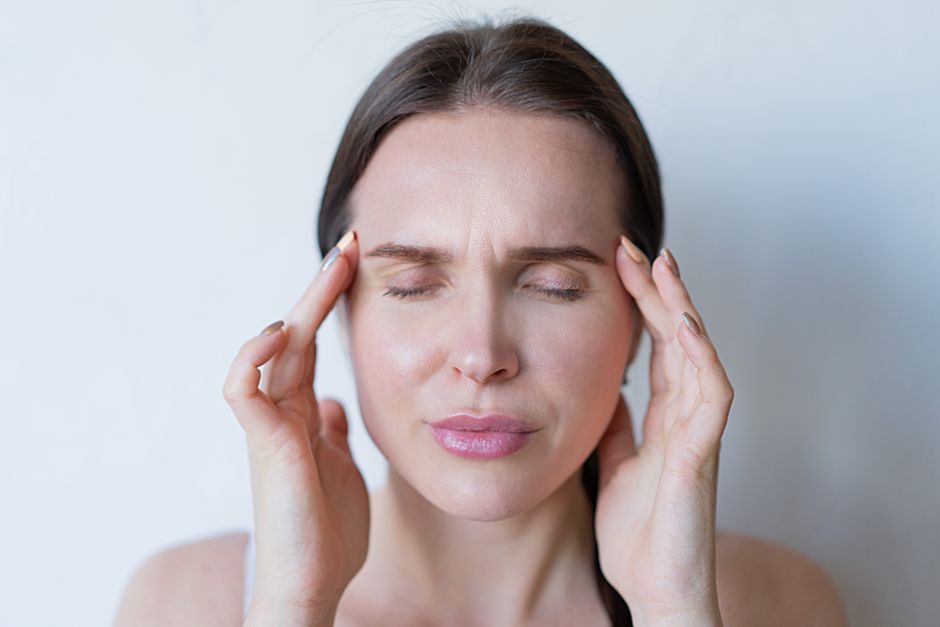
A throbbing headache is often a sign that blood vessels and nerve pathways around the head and neck are involved in a pain response. The fastest relief usually comes from treating it early with an over-the-counter pain reliever, resting in a quiet, dark room, and applying a cold pack to the forehead or temples. If a headache is severe, comes on suddenly like a thunderclap, or comes with weakness, confusion, fever, or a stiff neck, seek emergency medical care instead of trying home remedies.
What Causes a Throbbing Headache?
The throbbing sensation has a physiological explanation. During a migraine, the trigeminal nerve releases signaling molecules that cause blood vessels in the meninges — the protective layers around the brain — to dilate and become inflamed. That pulsation is why the pain often matches your heartbeat.
Tension-type headaches feel different. They usually cause a steady, pressing tightness rather than a pulse. But many people describe any recurring head pain as throbbing, so the words people use do not always match the underlying type.
Common triggers and causes include:
- Migraine, with or without aura
- Tension-type headache
- Dehydration
- Poor sleep or disrupted sleep
- Stress and jaw clenching
- Alcohol, especially red wine
- Caffeine withdrawal
- Skipped meals
- Certain odors, bright lights, or weather changes
Some causes are not benign. A headache that is new, severe, or different from your usual pattern deserves medical attention. So does one that worsens over days or weeks.
How To Relieve A Throbbing Headache Fast
Acting early matters more than acting aggressively. When you treat a headache in the first 20 to 30 minutes, you have a better chance of stopping it before it escalates. Once a migraine is fully established, oral medications often work more slowly because the stomach empties more slowly during an attack.
What tends to help:
- Over-the-counter pain relievers. Ibuprofen, acetaminophen, naproxen, and aspirin are all used for headaches. Ibuprofen and naproxen are anti-inflammatory drugs, which is relevant because inflammation plays a role in migraine pain. Follow the label directions and do not exceed the recommended dose.
- Cold therapy. A cold pack or gel pack wrapped in a thin cloth, applied to the forehead or the back of the neck for 15 to 20 minutes, can dull the throbbing. Some people find heat on the neck muscles more helpful, especially for tension-type headaches.
- A dark, quiet room. Light and sound sensitivity are core features of migraine, and reducing both inputs can lower pain intensity.
- Hydration. Drinking water helps if dehydration is a factor. It will not fix a migraine on its own.
- Caffeine, in small amounts. Caffeine constricts blood vessels and is included in some combination headache medications. It can help — but it can also cause rebound headaches if used often.
- Sleep or a short rest. Many people wake from a nap with reduced pain.
If you have been prescribed a medication for migraines, such as a triptan, using it early in the attack is generally more effective than waiting. Talk to your clinician about what to use and when.
Which Over-the-Counter Medication Works Best?
There is no single best choice for everyone. The right option depends on your headache type, your other health conditions, and what you have already tried. Here is how the main options compare.
| Medication | Class | Notes |
|---|---|---|
| Ibuprofen | NSAID | Reduces inflammation; take with food if it upsets your stomach |
| Naproxen | NSAID | Longer-acting than ibuprofen |
| Aspirin | NSAID | Not for children or teens due to Reye syndrome risk |
| Acetaminophen | Analgesic | Easier on the stomach; no anti-inflammatory effect |
| Caffeine combination products | Analgesic plus caffeine | Effective but higher risk of rebound headache with frequent use |
NSAIDs are not safe for everyone. People with kidney disease, stomach ulcers, or a history of gastrointestinal bleeding should talk to a clinician before using them. Aspirin should never be given to children or teenagers with a viral illness because of the risk of Reye syndrome, a rare but serious condition.
One detail worth knowing: taking pain relievers more than two or three days a week can lead to medication-overuse headache, where the medication itself starts causing the pain. This is a well-documented phenomenon and a common reason headaches become chronic.





When Should You See a Doctor for a Throbbing Headache?
Most headaches are not dangerous. But some symptoms mean you should not wait it out.
Seek emergency care for a headache that:
- Comes on suddenly and reaches peak intensity within seconds to a minute
- Comes with fever and a stiff neck
- Comes with confusion, fainting, seizure, or trouble speaking
- Comes with weakness, numbness, or vision loss
- Follows a head injury
- Is the worst headache of your life
See a doctor soon, not necessarily in an emergency, if your headaches:
- Are becoming more frequent or more severe
- Wake you from sleep
- Get worse when you cough, strain, or lie down
- Start after age 50
- Come with a change in your usual pattern
These signs do not mean something serious is present. They mean the cause needs to be evaluated rather than assumed.
Do Home Remedies Actually Work?
Some do, and the evidence is reasonable. Others are widely repeated but not well supported.
Cold and heat application is a long-standing practice with plausible mechanisms and some supporting research. Relaxation techniques, including slow breathing and progressive muscle relaxation, have been studied for tension-type headache and migraine with generally favorable results, though effect sizes vary.
What has weaker support:
- Essential oils applied to the temples — pleasant, but no strong clinical evidence for stopping an acute headache
- Magnesium supplements for acute relief — magnesium has some evidence for migraine prevention, not for stopping an attack already underway
- Pressure points and acupressure — some studies suggest benefit, others show none
- Chiropractic manipulation for acute headache — evidence is mixed, and neck manipulation carries rare but real risks
The honest position: if a remedy is cheap, low-risk, and helps you feel better, there is little harm in trying it alongside proven options. But do not rely on it to replace medical care when symptoms are severe or unusual.
Can You Prevent Throbbing Headaches?
Prevention is often more effective than treatment for people who get headaches regularly. The goal is to reduce how often they happen and how severe they become.
Steps that have reasonable supporting evidence:
- Keep a consistent sleep schedule, including weekends
- Eat meals at regular times — skipping meals is a common trigger
- Stay hydrated throughout the day
- Limit alcohol, especially if you notice a pattern
- Watch caffeine intake and avoid sudden drops
- Manage stress with techniques you will actually use
- Track your headaches to identify your own triggers
A headache diary is one of the most useful tools. It helps you and your clinician see patterns that are not obvious day to day. Record when the headache started, what you ate, how you slept, and what you were doing beforehand.
If you get migraines frequently, preventive medications may be appropriate. This is a conversation to have with a clinician, not a decision to make on your own.
Frequently Asked Questions
How do you stop a throbbing headache fast?
Take an over-the-counter pain reliever early, rest in a dark quiet room, and apply a cold pack to your forehead or neck. Treating within the first 20 to 30 minutes gives the best chance of stopping it before it escalates.
Why does my headache throb with my heartbeat?
During a migraine, blood vessels around the brain dilate and become inflamed, so the pain pulses with each heartbeat. This is a hallmark of migraine rather than tension-type headache.
When is a throbbing headache an emergency?
A sudden severe headache that peaks within seconds, or one with fever, stiff neck, confusion, weakness, or vision loss, needs emergency care. These signs suggest a cause that must be evaluated right away.
Can taking pain relievers too often make headaches worse?
Yes. Using over-the-counter pain relievers more than two or three days a week can cause medication-overuse headache, where the medication itself triggers the pain. This is a well-documented effect and a common reason headaches become chronic.
