
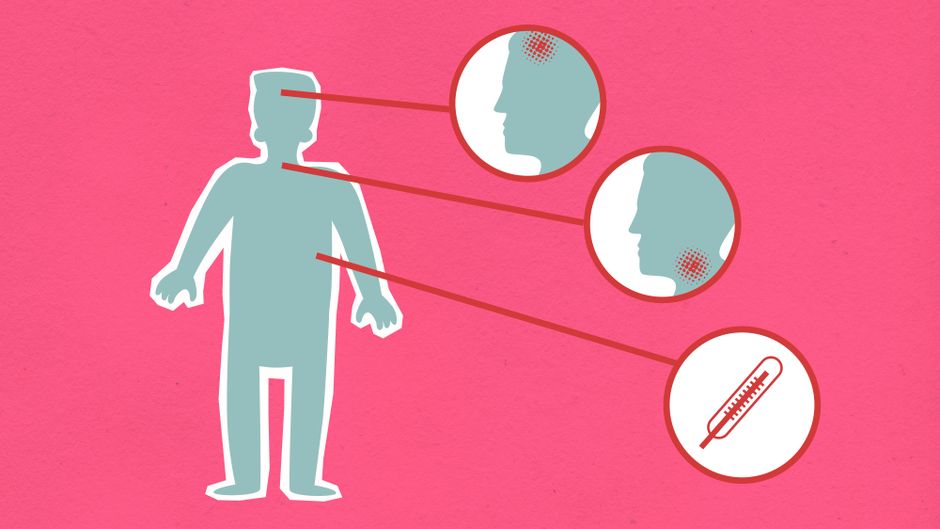
A sore throat is your body’s way of telling you something is irritating or infecting your pharynx, the tube that connects your mouth to your esophagus. Most sore throats—about 90% in adults—are caused by viruses, the same ones that give you the common cold or flu. Bacteria cause most of the remaining cases, with group A Streptococcus being the most common bacterial culprit. Other triggers include allergies, dry air, smoke, acid reflux, and even straining your voice. Understanding the cause matters because treatment depends on it. Antibiotics work for bacterial infections but do nothing for viral ones, and overusing them creates drug-resistant bacteria.
What actually happens in your throat when it gets sore?
Your throat is lined with mucous membranes, a moist layer of tissue that acts as your first immune defense. When a virus or bacteria invades, your immune system sends inflammatory chemicals to the area. These chemicals increase blood flow, which brings white blood cells to fight the infection. That extra blood makes the tissue swell and turn red. The swelling presses on nerve endings, causing pain. The same inflammatory process also triggers mucus production, which can drip down the back of your throat and make it feel scratchy or raw.
This is not just a surface reaction. The lymph nodes in your neck often swell too because they are filtering out the infection. That is why a sore throat frequently comes with tender lumps under your jaw. The pain you feel is actually your immune system working. But that knowledge does not make it hurt any less.
Why do viral sore throats feel different from bacterial ones?
Viral sore throats usually come on gradually. You might feel tired or have a runny nose first. The throat pain is often diffuse, meaning the whole throat feels scratchy rather than one specific spot being intensely painful. You typically also have other cold symptoms like coughing, sneezing, or a stuffy nose. The pain usually peaks around day two or three and then slowly fades over a week.
Bacterial sore throats, especially from strep, tend to hit faster and harder. The pain is often more focused and sharp. You might have a fever over 101°F, swollen lymph nodes in the front of your neck, and white or yellow patches of pus on your tonsils. One key difference: strep throat rarely causes a cough or runny nose. If you have a sore throat and a cough, it is much more likely viral.
There is overlap though. Some viral infections like adenovirus can cause severe throat pain with pus and fever that looks just like strep. That is why doctors use a rapid strep test or throat culture to confirm before prescribing antibiotics.
What about sore throats from allergies, reflux, and dry air?
Not every sore throat comes from an infection. Allergies trigger post-nasal drip, where mucus from your sinuses drains down your throat. This mucus contains inflammatory cells that irritate the throat lining over time. The result is a persistent scratchy feeling that lasts for weeks, not days.
Acid reflux, specifically laryngopharyngeal reflux (LPR), causes sore throats when stomach acid splashes up into the throat while you sleep. This type of sore throat is often worse in the morning and may come with a bitter taste, hoarseness, or a feeling of a lump in the throat. Many people have silent reflux where heartburn is absent, making it easy to miss as a cause.
Dry air, especially in heated homes during winter, pulls moisture from your throat membranes. When those membranes dry out, they become cracked and irritated. This is not an infection, so it does not cause fever or swollen glands. It just hurts. Sleeping with a humidifier or drinking more water often fixes it quickly.





Can you tell the difference without a test?
You can make a reasonable guess using a scoring system called the Centor criteria. Doctors use it to estimate strep probability. The four criteria are: fever over 100.4°F, swollen and tender lymph nodes in the front of the neck, white patches on tonsils, and no cough. If you have three or four of these, your chance of strep is about 40-60%. If you have zero or one, it is under 10%.
But here is the honest truth: even experienced doctors get it wrong without a test. Some viral infections like Epstein-Barr virus (mono) can cause severe throat pain with pus and fever for weeks. Relying on symptoms alone leads to both missed strep and unnecessary antibiotics. If your sore throat is severe, comes with high fever, or lasts more than three days without improving, a rapid strep test at a clinic is the smart move.
What actually helps a sore throat feel better?
For pain relief, research consistently shows that over-the-counter pain relievers like ibuprofen or acetaminophen work better than any throat spray or lozenge for reducing throat pain. They reduce the inflammation itself rather than just numbing the surface.
Honey is one of the few home remedies with real evidence. Studies have found that honey can reduce nighttime cough and throat pain in children, and likely works for adults too. A tablespoon in warm tea or water is a reasonable choice. Do not give honey to infants under one year due to botulism risk.
Salt water gargles (half teaspoon salt in a cup of warm water) help by drawing fluid out of swollen tissue through osmosis. This temporarily reduces swelling and clears mucus. The effect lasts maybe 30 minutes, but it is safe and can be done several times a day.
Cold liquids and ice chips can numb the throat briefly. Warm liquids like broth or tea can soothe and loosen mucus. There is no strong evidence that one temperature is better than the other. Choose what feels best to you.
Things that do not work: apple cider vinegar (can damage tooth enamel and throat tissue), essential oils (can irritate further), and colloidal silver (no evidence and can turn your skin blue permanently). Avoid these.
When should you see a doctor for a sore throat?
Most sore throats resolve on their own within a week. But some situations need medical attention. See a doctor if you have a fever over 101°F that does not come down with medication, difficulty swallowing saliva (not just food), difficulty breathing, a stiff neck, or a rash. Also see a doctor if your voice is completely gone for more than two weeks or if you have a sore throat that keeps coming back.
Strep throat needs antibiotics to prevent complications like rheumatic fever, which can damage heart valves. But rheumatic fever is now rare in the US, occurring in fewer than 1 in 100,000 people per year. The bigger risk from untreated strep is a peritonsillar abscess, a pocket of pus behind the tonsil that can make swallowing nearly impossible and may require drainage.
Why Do Throats Get Sore Viral Bacterial And More — the short version
Throats get sore because the lining of your pharynx becomes inflamed. Viruses cause the vast majority of cases. Bacteria cause fewer but can be more serious. Non-infectious triggers like allergies, reflux, and dry air are common and often overlooked. The cause determines whether antibiotics help or not. Viral sore throats need supportive care only. Bacterial ones need antibiotics. Non-infectious ones need management of the underlying trigger. If you are unsure, a rapid strep test gives you a clear answer in about ten minutes.
Frequently Asked Questions
How long does a viral sore throat last compared to bacterial?
A viral sore throat usually lasts 3 to 7 days and improves gradually. A bacterial sore throat treated with antibiotics typically improves within 24 to 48 hours.
Can a sore throat be the only symptom of COVID-19?
Yes, a sore throat is a common early symptom of COVID-19, especially with the Omicron variants. It often appears before other symptoms like fever or cough.
Is it safe to exercise with a sore throat?
If your only symptom is a mild sore throat above the neck, light exercise is generally safe. If you have fever, body aches, or fatigue, rest until those resolve.
Does gargling with hydrogen peroxide help a sore throat?
No, hydrogen peroxide gargles can damage healthy throat tissue and delay healing. Stick with salt water or plain warm water instead.
