
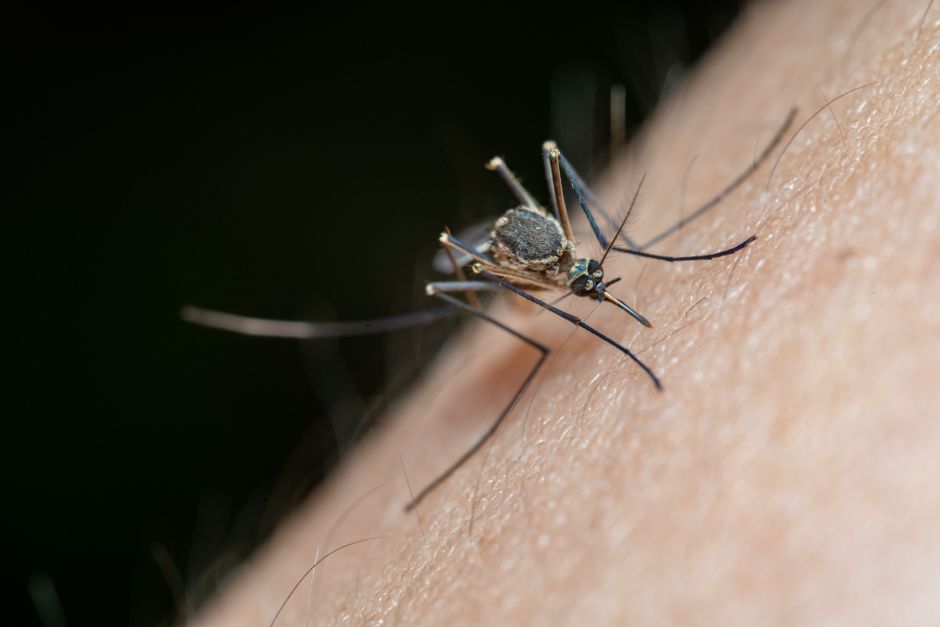
Mosquito bites itch because your immune system reacts to the mosquito’s saliva. The itch is a sign your body is fighting off the foreign proteins. To stop the itching fast, wash the area with soap and water, apply a cold compress, and use an over-the-counter hydrocortisone cream or an oral antihistamine. For most people, the itch fades within a few days, but the right steps can bring relief within minutes.
Why Do Mosquito Bites Itch So Much?
The itch is not caused by the bite itself. It is caused by your own immune system. When a mosquito bites, it injects saliva into your skin. That saliva contains proteins that prevent your blood from clotting. Your body sees these proteins as foreign invaders.
Your immune system releases histamine. Histamine increases blood flow to the area and causes swelling. It also triggers nerve signals that your brain reads as itch. The more histamine your body releases, the more it itches. This is why antihistamines work for mosquito bites. They block histamine from doing its job.
Step 1: Wash the Bite Area Immediately
As soon as you notice a bite, wash it with mild soap and warm water. This removes dirt and bacteria from your skin. It also washes away some of the mosquito saliva that is still on the surface.
Do not scrub hard. Scrubbing can break the skin and increase the risk of infection. Pat the area dry with a clean towel. Clean skin also helps any cream you apply later absorb better.
Step 2: Apply a Cold Compress
Cold numbs the nerve endings in your skin. It also reduces blood flow to the area, which helps bring down swelling. Wrap an ice pack in a thin cloth and hold it on the bite for 10 to 15 minutes. Do not put ice directly on your skin. That can cause frostbite.
You can repeat this as often as needed throughout the day. A cold spoon from the fridge or a bag of frozen vegetables wrapped in a towel works just as well. Cold is one of the fastest ways to get short-term relief.



Step 3: Use a Hydrocortisone Cream
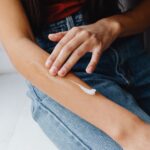
Hydrocortisone cream is a topical steroid. It reduces inflammation by calming the immune response in the skin. It is one of the most effective over-the-counter treatments for mosquito bites. Look for a cream with 1% hydrocortisone at any pharmacy.
Apply a thin layer to the bite. Do not cover it with a bandage unless the label says you can. Use it once or twice a day for a few days. If the itch is severe, some clinicians recommend using it more often, but follow the label instructions. Hydrocortisone is not meant for long-term use on large areas of skin.
Step 4: Take an Oral Antihistamine
If the bite itches intensely or you have multiple bites, an oral antihistamine can help. These medicines work from the inside. They block histamine receptors throughout your body, not just at the bite site. This makes them useful when you have many bites at once.
Common options include cetirizine, loratadine, and diphenhydramine. Cetirizine and loratadine are non-drowsy. Diphenhydramine can make you sleepy, which may help if the itch keeps you awake at night. Follow the dosing instructions on the package. Do not exceed the recommended dose.
Step 5: Try Calamine Lotion or Baking Soda Paste
Calamine lotion is a classic remedy for itching. It contains zinc oxide and ferric oxide. It cools the skin and dries out the bite. Shake the bottle well before applying. Use a cotton ball to dab it on the bite. Reapply as needed.
A baking soda paste is another option. Mix a small amount of baking soda with a few drops of water until it forms a paste. Apply it to the bite and leave it on for 10 minutes. Then rinse it off. The evidence for baking soda is mostly anecdotal, but many people find it soothing.
What Not To Do: Avoid These Common Mistakes
Scratching is the biggest mistake. Scratching damages the skin and releases more histamine, which makes the itch worse. It also opens the skin to bacteria. Infected bites can become red, swollen, warm, and painful. If you see those signs, see a doctor.
Do not use heat on a mosquito bite. Heat can increase blood flow and make the swelling and itching worse. Some devices claim to use heat to stop itching, but the evidence is limited. Cold is the safer choice.
Do not apply undiluted essential oils directly to the skin. Tea tree oil and other essential oils can cause skin irritation or allergic reactions. If you choose to use them, dilute them with a carrier oil first. Even then, the evidence for their effectiveness is weak.
When To See a Doctor
Most mosquito bites heal on their own within a few days. But some bites need medical attention. See a doctor if the bite becomes infected. Signs of infection include increasing redness, warmth, swelling, pus, or red streaks spreading from the bite.
Some people have a severe allergic reaction to mosquito bites. This is called skeeter syndrome. It causes large areas of swelling, blistering, and sometimes fever. Children and people with weak immune systems are more likely to develop it. If you have trouble breathing, swelling of the face or lips, or dizziness after a mosquito bite, seek emergency care immediately.
How To Get Mosquito Bites To Stop Itching Fast
For the fastest relief, combine steps. Wash the bite, apply cold, and take an oral antihistamine. Then apply hydrocortisone cream. The cold gives you immediate relief. The antihistamine works within 30 to 60 minutes. The hydrocortisone cream works over a few hours to calm the skin.
If you only have time for one step, choose cold. It is the quickest way to numb the itch. If you are at home and can plan ahead, use all three. This combination covers immediate relief and longer-term control.
Preventing Mosquito Bites in the First Place
Prevention is better than treatment. Use an EPA-registered insect repellent. Products containing DEET, picaridin, or oil of lemon eucalyptus are proven to work. Apply it to exposed skin before going outside. Reapply according to the label instructions.
Wear long sleeves and pants when mosquitoes are active. Mosquitoes are most active at dawn and dusk. Remove standing water around your home. Mosquitoes breed in water. Empty flower pots, bird baths, and gutters regularly. Use screens on windows and doors to keep mosquitoes out of your home.
Frequently Asked Questions
Does scratching make mosquito bites worse?
Yes. Scratching damages the skin and releases more histamine, which increases the itch. It also raises the risk of infection.
How long do mosquito bites take to stop itching?
Most bites stop itching within 2 to 3 days. The redness and swelling usually fade within a week.
Can toothpaste stop mosquito bites from itching?
No clinical evidence confirms that toothpaste stops mosquito bite itching. Some people report a cooling effect, but the evidence is anecdotal.
Are mosquito bite itch creams safe for children?
Hydrocortisone cream is generally safe for children over 2 years old, but check with a pediatrician first. Oral antihistamines are also used in children, but dosing depends on age and weight.
