
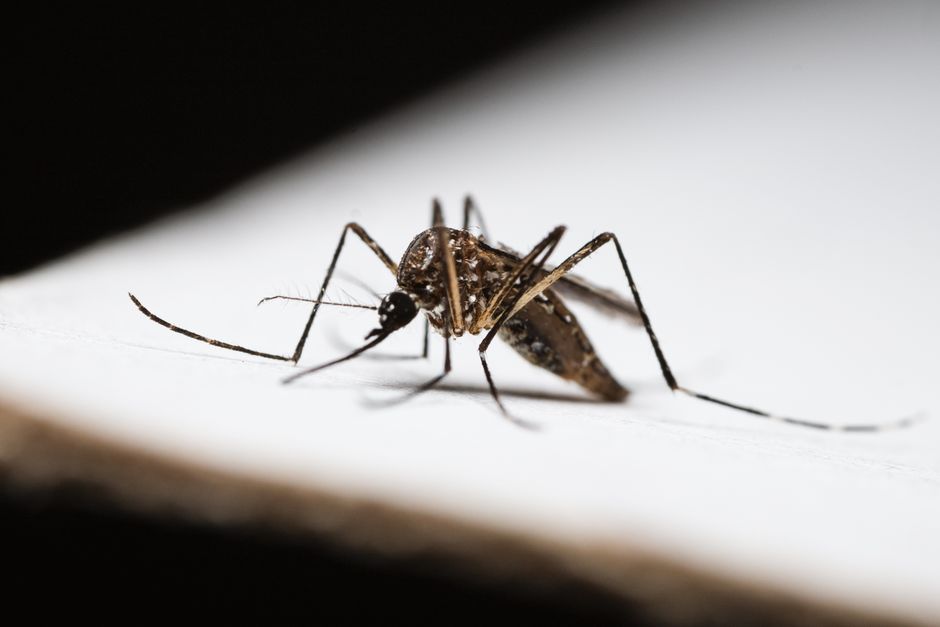
Malaria is a serious disease caused by a parasite. You get it from the bite of an infected mosquito. The parasite is called Plasmodium. The mosquito is the Anopheles mosquito. It is not contagious like a cold. You cannot catch it from another person. You get it when an infected female Anopheles mosquito bites you. The parasite then travels to your liver and multiplies. This is the only way malaria starts.
How To Get Malaria: The Complete Guide to Transmission
The short answer is a mosquito bite. But it is only one specific type of mosquito. The Anopheles mosquito bites mostly between dusk and dawn. That is when the risk is highest. The mosquito must carry the Plasmodium parasite. Not all Anopheles mosquitoes carry it. Only those that have bitten an infected person first.
When the mosquito bites you, it injects saliva. The parasite is in that saliva. It moves into your bloodstream. Within 30 to 60 minutes, it reaches your liver. There it hides and multiplies for about one to two weeks. After that, it enters your red blood cells. That is when symptoms start. Fever, chills, and flu-like illness are common signs.
There is no other natural way to get malaria. You cannot get it from casual contact. You cannot get it from the air. You cannot get it from water or food in normal circumstances. The CDC states that malaria is transmitted exclusively through the bite of an infected Anopheles mosquito. There are rare exceptions, but they are extremely uncommon.
Can You Get Malaria From a Blood Transfusion?
Yes, but it is very rare. The CDC reports that transfusion-transmitted malaria happens in less than one case per million blood donations in the United States. The parasite can survive in stored blood. If a donor has been infected but has no symptoms, their blood can carry the parasite.
Blood banks screen for malaria risk. Donors who have traveled to malaria-endemic areas are deferred for a period. Some are deferred for one year after returning. Others, who have had malaria, are deferred for three years after treatment. This screening is effective. The risk remains low. But it is not zero.
There is also a risk from organ transplants. A donated organ from an infected person can transmit malaria to the recipient. This is even rarer than transfusion cases. The same screening guidelines apply. Both of these methods are medical transmission routes. They are not how most people get malaria.
What About Congenital Malaria: Can a Baby Get It From the Mother?
Yes. A pregnant woman with malaria can pass the parasite to her unborn child. This is called congenital malaria. The parasite crosses the placenta. The baby is born with the infection. The World Health Organization estimates that congenital malaria affects about 30 to 40 percent of infants born to infected mothers in endemic areas.
Symptoms in newborns can be hard to spot. They may have fever, irritability, or poor feeding. They might also have jaundice. Congenital malaria is treatable. But it requires quick diagnosis. The risk is highest in areas where malaria is common. Pregnant women in these areas are advised to take preventive medication.
The bottom line is that a baby does not get bitten by a mosquito in the womb. The mother’s infection passes directly through the blood supply. This is another rare route. Mosquito bites remain the main cause by far.


What Are the Real Risk Factors for Getting Malaria?
Geography is the biggest factor. You cannot get malaria in the United States from a local mosquito. The parasite is not circulating here. The CDC has declared the United States malaria-free since 1951. The risk is only in specific parts of the world. Sub-Saharan Africa has the highest risk. South Asia, Southeast Asia, and parts of Central and South America also have risk.
Time of day matters. Anopheles mosquitoes bite at night. People who are outdoors from dusk to dawn face the highest risk. Sleeping without a bed net is a major risk factor. The WHO reports that insecticide-treated bed nets reduce malaria deaths by 20 percent in children under five.
Travel without prevention is another risk. Many travelers forget to take antimalarial medication. Some stop early. Others do not use repellent. A study published in JAMA found that less than half of travelers to high-risk areas used all recommended prevention methods. That is a large gap between knowing and doing.
| Risk Factor | Impact Level | What You Can Do |
|---|---|---|
| Travel to endemic area | High | Take prescribed antimalarials |
| Nighttime outdoor activity | High | Use DEET repellent and long sleeves |
| No bed net use | High | Sleep under treated net |
| Pregnancy in endemic area | Moderate | Take preventive medication as directed |
| Blood transfusion | Very Low | Donor screening is already in place |
What Are Common Misconceptions About How To Get Malaria?
A big myth is that you can get malaria from eating certain foods. This is false. There is no evidence that any food causes malaria. The parasite needs a mosquito host to survive and spread. Another myth is that malaria comes from dirty water. Dirty water can cause other diseases like cholera. It does not cause malaria.
Some people think you can get malaria from sharing a drink or a toothbrush. You cannot. The parasite does not survive outside the human body for long. It cannot live on surfaces. It cannot be spread through saliva. The CDC is clear that malaria is not transmitted through casual contact.
There is also a belief that having had malaria once makes you immune. That is not true either. You can get it again. Even multiple times. Your body builds some immunity if you live in an endemic area. But it is partial and fades over time. Travelers have zero immunity. They are at full risk with every trip.
What Does the Research on Malaria Prevention Show?
Research is very clear on what works. The first line of defense is avoiding mosquito bites. The WHO recommends insecticide-treated bed nets as the most effective method. A 2019 study in The Lancet found that bed nets reduced malaria cases by 50 percent in high-transmission areas. That is a massive effect from a simple tool.
Insect repellent with DEET is also proven effective. DEET at 20 to 30 percent concentration provides several hours of protection. The EPA has approved DEET for use in children and adults. Picaridin is another effective option. Both work by making you invisible to mosquitoes. The mosquito cannot smell you.
Antimalarial medication is the second line. Drugs like atovaquone-proguanil, doxycycline, and mefloquine are highly effective. The CDC states that taking them correctly reduces the risk of getting malaria by 90 percent or more. The key is taking them exactly as prescribed. Missing doses lowers protection.
- Bed nets — Must be treated with insecticide. Replace every three years.
- Repellent — Use DEET or picaridin. Reapply after swimming or sweating.
- Clothing — Long sleeves and pants at night. Treat clothes with permethrin.
- Medication — Start before travel. Continue after returning. Finish the course.
- Indoor spraying — Residual insecticide on walls kills mosquitoes that land.
What Should You Do If You Think You Have Malaria?
Seek medical care immediately. Malaria can become severe within 24 hours. The parasite destroys red blood cells. It can cause organ failure. It can be fatal. The WHO reports that malaria killed over 600,000 people in 2022. Most were children under five in Africa. Quick treatment saves lives.
If you have traveled to a malaria-endemic area and develop a fever, tell your doctor. Do not assume it is the flu. Doctors in non-endemic countries may not think of malaria first. You need to raise the possibility. A blood test can confirm the diagnosis in about 15 minutes with a rapid diagnostic test.
Treatment is straightforward. Artemisinin-based combination therapies are the standard. They kill the parasite in the blood. The WHO recommends them for uncomplicated malaria. Severe malaria requires intravenous treatment in a hospital. Recovery is usually complete with prompt treatment. Delays are dangerous.
Frequently Asked Questions
Can you get malaria from a mosquito in the United States?
No. The Anopheles mosquito exists in the US but does not carry the malaria parasite. The disease is not circulating locally.
How long after a mosquito bite do malaria symptoms appear?
Symptoms usually appear 10 to 15 days after the bite. Some strains can take weeks or months to cause symptoms.
Is malaria contagious from person to person?
No. Malaria is not spread through coughing, sneezing, or touching. Only through mosquito bites, blood transfusion, or from mother to child.
Can you die from malaria if treated quickly?
Rarely. With prompt treatment, the survival rate is very high. Delayed treatment increases the risk of severe illness and death.
